
Best Backcountry Ski Jackets of 2025
Heading into the backcountry means dealing with unpredictable weather, so having the right ski jacket is key. The best ski jackets keep you warm, dry, and comfortable while still being light enough to move freely. They’re built to handle deep snow, strong winds, and sudden storms without slowing you down. In this guide, we’ll look at the top backcountry ski jackets that balance protection, breathability, and durability. Whether you’re climbing steep slopes or skiing untouched powder, these jackets will help you stay prepared.
1. Rab Khroma Kinetic
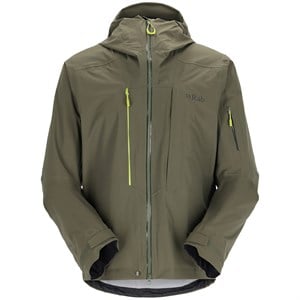
- Waterproof Rating: 20,000mm
- Breathability: 25,000g/m²
- Construction: 3-layer Proflex™ waterproof-breathable membrane
- Vents: Pit zips and mesh-lined front pockets
The Rab Khroma Kinetic Jacket blurs the line between a hardshell and a softshell, creating a versatile piece of gear for serious backcountry skiers. Its standout feature is the Proflex™ fabric, which offers the stretch and comfort of a softshell while providing the robust waterproof and breathable performance of a hardshell. With a 20,000mm waterproof rating and 25,000g/m² breathability, it can handle both heavy snowfall and high-output activities like skinning. The jacket’s design is focused on functionality, including articulated sleeves for freedom of movement and a ski-helmet-compatible hood with single-handed adjustment for convenience.
Ventilation is key for backcountry touring, and the Khroma Kinetic excels here with its innovative pit zips and mesh-lined front pockets. These features allow you to quickly dump excess heat and manage your temperature without stopping. The jacket also has an array of pockets, including a dedicated ski pass pocket and internal pockets for essentials. Its minimalist yet highly functional design, paired with durable materials, makes it a reliable choice for those who demand performance and adaptability from their ski apparel.
Pros:
- Excellent blend of softshell comfort and hardshell protection.
- High breathability is perfect for strenuous activity.
- Multiple ventilation options for temperature regulation.
Cons:
- Proposition 65 warning may be a concern for some consumers.
- Higher price point.
See the Rab Khroma Kinetic See the Women’s Khroma Kinetic
2. Outdoor Research Skytour AscentShell – Men’s
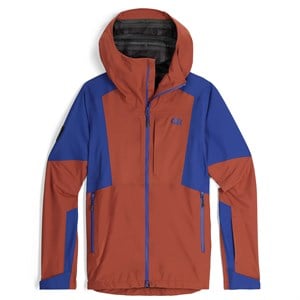
- Waterproof & Breathable Membrane: AscentShell™ 3-layer
- Vents: Pit zips
- Stretch: 7% spandex stretch plain weave
- Hood: Snowsports helmet-compatible halo hood
The Outdoor Research Skytour AscentShell Jacket is a top contender for backcountry enthusiasts who need a jacket that breathes as hard as they do. Its core is the proprietary AscentShell™ fabric, a three-layer membrane created through an electrospinning process that produces a highly breathable and waterproof barrier. This technology effectively lets sweat vapor escape while keeping external moisture out, making it an ideal choice for the ever-changing conditions of the backcountry.
This jacket is designed with the user in mind, featuring Movement-Mirroring Stretch that allows for a full range of motion, whether you’re skinning up a steep slope or making quick turns. The functional details include a variety of pockets for secure storage and pit zips for quick ventilation. The helmet-compatible halo hood with a wire brim and hood lock provides excellent protection and a customizable fit, ensuring you stay comfortable and focused no matter the weather.
Pros:
- Exceptional breathability for high-aerobic activity.
- Excellent stretch for unrestricted movement.
- Thoughtful features like a media port and key clip.
Cons:
- Less insulation, not suitable for very cold days without layering.
- Slightly lower waterproof rating compared to some competitors.
3. Patagonia Snowdrifter – Women’s
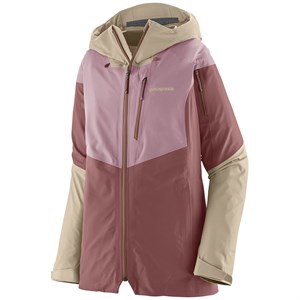
- Waterproof & Breathable Membrane: 3L H₂No® Performance Standard
- Sustainability: 100% recycled polyester fabric, Fair Trade Certified™ sewn
- Features: Adjustable powder skirt, RECCO® reflector
- Fit: Regular fit, suitable for layering
The Patagonia Snowdrifter Jacket is a sleek and reliable shell for women who love backcountry skiing and snowboarding. Made with Patagonia’s 3-layer H₂No® Performance Standard fabric, this jacket provides waterproof and windproof protection without sacrificing breathability. The use of 100% recycled polyester not only makes it a durable piece of gear but also aligns with Patagonia’s commitment to sustainability, ensuring you can feel good about your purchase.
Functionality is at the forefront of the Snowdrifter’s design. It features pit zips for fast heat dumping, a helmet-compatible hood with a laminated visor, and a Cohaesive® cord-lock system for easy, one-handed adjustments. The adjustable powder skirt is a great addition, keeping snow out on deep powder days and connecting to Patagonia’s snow pants for a complete seal. The inclusion of a concealed RECCO® reflector adds a layer of safety for off-piste adventures.
Pros:
- Excellent waterproof and windproof performance.
- Sustainable and Fair Trade Certified™ construction.
- RECCO® reflector adds a safety feature.
Cons:
- No insulation, requires layering in colder conditions.
- Limited color options may be a drawback for some.
4. Patagonia Stormstride – Men’s
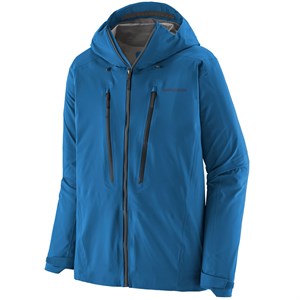
- Waterproof & Breathable Membrane: 3L H₂No® Performance Standard
- Sustainability: Recycled nylon fabric, PFC-free DWR finish
- Features: Low-profile powder gasket, RECCO® reflector, skin pouch
- Weight: Lightweight 40-denier fabric
The Patagonia Stormstride Jacket is specifically engineered for the rigors of backcountry touring. This stretchy, three-layer shell uses Patagonia’s H₂No® Performance Standard fabric to deliver reliable waterproof and windproof protection, ensuring you stay dry and comfortable even in harsh conditions. Its recycled nylon construction with a PFC-free DWR finish highlights a strong commitment to environmental responsibility without compromising on performance.
Every detail of the Stormstride is optimized for uphill travel. The fabric’s stretchiness allows for a full range of motion, and the pit zips provide quick and effective heat release during high-output climbs. A unique feature is the interior drop-in pocket, which is perfectly sized to accommodate climbing skins, keeping them warm and ready for the next transition. The low-profile powder gasket and adjustable, helmet-compatible hood provide a secure fit and excellent protection from spindrift and wind.
Pros:
- Optimized for backcountry use with features like a skin pouch.
- Environmentally friendly materials and construction.
- Excellent stretch for freedom of movement.
Cons:
- Pockets may feel limited for some users.
- Higher price point due to specialized features.
5. Patagonia Snowdrifter – Men’s
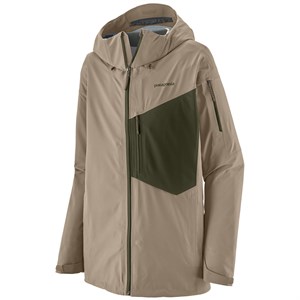
- Waterproof & Breathable Membrane: 3L H₂No® Performance Standard
- Sustainability: 100% recycled polyester with non-PFC DWR
- Pockets: Two handwarmer, chest, and bicep pass pocket
- Features: Fair Trade Certified™ sewn, embedded cord locks
The Patagonia Snowdrifter Jacket for men is a great choice for those seeking a high-performance shell without a prohibitive price tag. It leverages Patagonia’s own H₂No® Performance Standard fabric, which is a testament to its waterproof, windproof, and breathable capabilities. The use of 100% recycled polyester and a non-PFC DWR treatment showcases a strong commitment to sustainable practices. This jacket is built to handle extreme conditions while maintaining a focus on packability and low weight.
The Snowdrifter is equipped with essential features for a day on the mountain. Pit zips allow for quick and effective ventilation, and a helmet-compatible hood with an embedded cord-lock system ensures a secure fit. The jacket provides ample storage with multiple zippered pockets, including a convenient bicep pass pocket. The overall design is clean and functional, prioritizing what you need for a day of shredding and leaving out the unnecessary frills.
Pros:
- Excellent value for a high-performance shell.
- Made with sustainable and recycled materials.
- Fair Trade Certified™ sewn.
Cons:
- No powder skirt, which may not be ideal for deep snow.
- Lack of a RECCO reflector found in other Patagonia models.
6. Armada Reedy 2L – Men’s
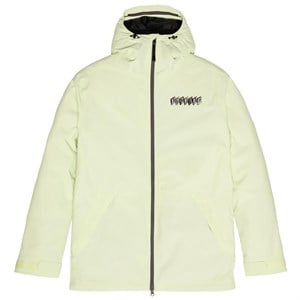
- Waterproof Rating: 10,000mm
- Breathability: 10,000g
- Insulation: 60g recycled polyfill in body
- Construction: 2-layer with PFC-free DWR
The Armada Reedy 2L Insulated Jacket is a versatile option for resort skiers who want a blend of style, warmth, and performance. With a 10K waterproof and 10K breathability rating, it offers solid protection from the elements during a typical day on the slopes. What sets it apart is the 60g of recycled polyfill insulation in the body, providing a comfortable layer of warmth without feeling bulky, making it a great choice for colder days or those who prefer less layering.
The jacket’s design is clean and functional, with features that cater to both park rats and groomer cruisers. It includes a helmet-compatible hood, adjustable hem and cuffs, and Lycra wrist gaiters to keep snow out. Pockets are strategically placed for convenience, including a microfleece hand warmer pocket and an internal media pocket. The use of Bluesign® approved fabric and a PFC-free DWR finish also reflects a commitment to more sustainable manufacturing practices.
Pros:
- Insulated design provides warmth on cold days.
- Versatile style for both on and off the mountain.
- Good value for an insulated jacket with these features.
Cons:
- Lower waterproof and breathability ratings compared to shell jackets.
- Standard fit may not be ideal for some body types.
View at evo View at Backcountry
7. Volcom Brighton Pullover – Men’s
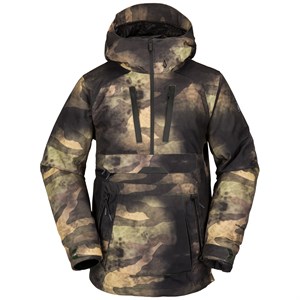
- Waterproof & Breathable Membrane: 15K/15K V-Science
- Features: Zip Tech® jacket-to-pant interface, whistle zipper pull
- Vents: Mesh-lined zippered vent with side opening
- Fit: Standard fit pullover anorak
The Volcom Brighton Pullover Jacket is a stylish and highly functional shell for riders who love the classic anorak look. Its 15K waterproof and 15K breathability ratings, combined with Volcom’s V-Science Breathable Lining System, ensure you stay dry and comfortable even during high-intensity sessions. This jacket’s design is all about performance and practicality, with a two-way side zipper for easy on-and-off and excellent ventilation.
What truly sets the Brighton apart are its unique and rider-focused features. The patented Zip Tech® jacket-to-pant interface creates a complete seal, preventing snow from getting in during falls. The hidden toggle cinch hood and peripheral hood adjustment provide a customized fit, while the whistle zipper pull and specialty ticket ring add a touch of fun and functionality. This jacket not only looks good but is packed with thoughtful details that make a day on the mountain more enjoyable.
Pros:
- Classic pullover style with modern features.
- Zip Tech® interface provides superior snow protection.
- Unique details like the whistle zipper pull and noise pocket.
Cons:
- Pullover style can be less convenient to put on and take off.
- Fit is a personal preference.
View at evo View at Backcountry
How to Choose a Backcountry Ski Jacket?
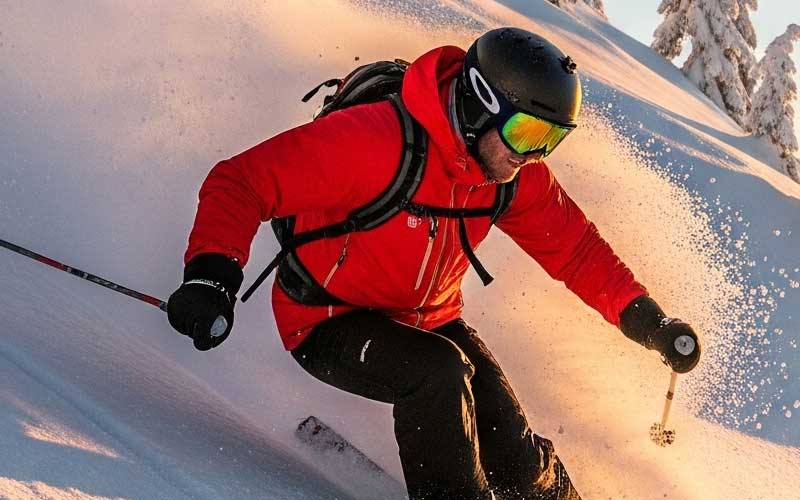
Choosing the right backcountry ski jacket is a critical decision that can significantly impact your comfort, safety, and performance on the mountain. Unlike resort skiing, where you might be more concerned with warmth and style, backcountry skiing involves a much wider range of activity levels and weather conditions. You’ll be skinning uphill, sweating profusely, and then transitioning to a downhill descent where you’re exposed to wind, snow, and cold. A good backcountry jacket must be a master of managing this dynamic environment. This guide will walk you through the key factors to consider, from materials and features to fit and layering, to help you find the perfect jacket for your adventures.
The primary function of a backcountry jacket is to protect you from the elements while managing moisture. This means keeping water and wind out while allowing sweat and vapor to escape. The right jacket is a crucial part of your layering system, which typically consists of a base layer for wicking moisture, a mid-layer for insulation, and an outer shell for protection. The shell, or jacket, is the final line of defense and needs to be highly breathable to prevent you from overheating and getting soaked from the inside out.
Understanding Backcountry Ski Jacket Materials
The material of a backcountry jacket is perhaps the most important factor to consider. It dictates the jacket’s performance in terms of waterproofing, breathability, and durability. There are two main categories of jackets: hardshells and softshells. Each has its own strengths and weaknesses.
Hardshell Jackets
Hardshell jackets are the gold standard for full-on weather protection. They are designed to be completely waterproof and windproof, making them ideal for stormy, wet, or windy conditions. Most hardshells use a waterproof-breathable membrane technology, such as Gore-Tex or similar proprietary fabrics. These membranes have microscopic pores that are too small for water droplets to pass through but large enough for water vapor (sweat) to escape. This is the key to their performance.
Gore-Tex is a widely recognized brand known for its reliability. They offer different types of membranes, such as Gore-Tex Pro for maximum durability and breathability, Gore-Tex Paclite for lightweight and packable options, and Gore-Tex Active for high-output activities. Other brands have developed their own excellent membranes, like The North Face’s Futurelight, Patagonia’s H2No, and Outdoor Research’s AscentShell. The key is to look for a high waterproof and breathability rating. A good starting point for backcountry skiing is a rating of 20,000mm and 20,000g/m². However, remember that breathability is often more important than the absolute waterproof rating for a backcountry jacket, as you’ll be generating a lot of heat and sweat on the uphill.
Softshell Jackets
Softshell jackets are a more recent innovation that prioritizes breathability and flexibility over absolute waterproofing. They are made from woven fabrics that offer excellent stretch and are highly breathable. While they are typically water-resistant rather than fully waterproof, they can handle light snow and brief showers. Their main advantage is their ability to vent heat and moisture effectively, making them perfect for uphill travel and mild, dry conditions. They are also much quieter and more comfortable to wear than hardshells.
Many backcountry skiers choose a softshell as their primary jacket for most tours and carry a lightweight hardshell in their pack for when the weather turns. This two-jacket system offers the best of both worlds: the comfort and breathability of a softshell for the ascent and the full protection of a hardshell for the descent or in a storm. However, if you are looking for a single do-it-all jacket, a hardshell with good breathability is often the better choice, especially in regions with unpredictable weather.
Key Features to Look For
Beyond the material, several key features make a backcountry jacket more functional and comfortable. Pay close attention to these details, as they can make a big difference on the mountain.
Ventilation
Pit zips are an absolute must-have feature for backcountry ski jackets. These long zippers under the arms allow you to dump heat quickly without having to take off your jacket. They are crucial for regulating your body temperature during high-output activities like skinning uphill. Some jackets also have chest or back vents, which can be useful as well.
Hood
A good hood should be large enough to fit over a ski helmet. It should also have multiple adjustment points to cinch it down securely, so it doesn’t obstruct your vision. Look for a stiff brim on the hood to help keep snow and rain off your face.
Pockets
Pocket placement is key. Look for chest pockets or hand pockets that are positioned high enough to be accessible even when wearing a backpack with a hip belt. Internal pockets are great for keeping your phone or other electronics warm and protected from the elements. A small pocket on the sleeve is handy for a ski pass or a lip balm.
Cuffs and Hem
The cuffs should be adjustable, preferably with velcro or a similar system, to seal out snow and fit comfortably over or under your gloves. An adjustable hem with a drawcord helps to seal out drafts and retain warmth. Some jackets also have an integrated powder skirt, which is a great feature for deep powder days, though some minimalist backcountry skiers prefer to do without it to save weight.
Zippers
Look for high-quality, durable zippers that are easy to operate with gloves on. Water-resistant or sealed zippers are a bonus for keeping moisture out of your pockets and off your body.
Fit and Layering
The fit of your jacket is crucial for both comfort and performance. A backcountry jacket should have an athletic, articulated fit that allows for a full range of motion. It should be loose enough to accommodate a mid-layer underneath without feeling bulky, but not so baggy that it becomes inefficient. An overly tight jacket can restrict your movement and compress your mid-layer, reducing its insulating properties. An overly baggy jacket can create air pockets that make it harder to regulate temperature and can be a hassle in high winds.
Remember that your jacket is just one part of your overall layering system. For most tours, you’ll be wearing a moisture-wicking base layer (merino wool or synthetic), a breathable mid-layer (fleece or a light puffy jacket), and your hardshell or softshell jacket. By wearing a non-insulated shell, you can adjust your insulation based on the weather and your activity level. You’ll likely wear just the base layer and mid-layer on the uphill and add the shell for the descent or when the wind picks up.
Durability and Weight
Finally, consider the durability and weight of the jacket. Backcountry skiing can be hard on gear. You’ll be brushing against trees, rocks, and sharp ski edges. A jacket with a more robust face fabric will be more durable but also heavier. Lightweight jackets are great for saving ounces on long tours, but they may not stand up to as much abuse. You need to find the right balance between these two factors based on your typical terrain and personal preferences. A good quality backcountry jacket is an investment, so choosing one that is built to last is a wise decision.
Conclusion
Choosing the right backcountry ski jacket is a careful balance of material, features, and fit. Prioritize breathability and weather protection, and think about how the jacket will work within your overall layering system. Whether you opt for a versatile hardshell or a more breathable softshell, the goal is to find a piece of gear that allows you to comfortably and safely explore the backcountry, no matter what the mountain throws your way. Do your research, try on different options, and consider the conditions you most often ski in. A well-chosen jacket is a ticket to a world of endless winter adventures.