Best Custom Footbeds for Ski Boots of 2026
Ski boots aren’t known for comfort. But with the right footbeds, they can feel like they were made for you. Custom footbeds do more than cushion. They align your feet, support your arches, and reduce pressure points. That means less pain, more control, and better days on the mountain. No more numb toes or sore soles halfway down the run. Whether you’re carving hard or just cruising, your feet deserve better. Forget stock insoles — they don’t cut it. This guide covers the best aftermarket footbeds for ski boots today. We’ll break down what to look for and why it matters. Your best ski day starts from the ground up.
1. CURREX EdgePro

-
3D Dynamic Arch Technology: Offers strong midfoot arch support and improved power transfer in tight boots.
-
SuperGrip Anti-slip Heel: NEO Touch heel grip keeps your foot locked in place for better stability.
-
Multi-layer Design: Includes fleece insulation, shock-absorbing foam, and moisture-wicking materials for warmth and comfort.
-
Odor-Absorbing Cushioning: Premium foam helps manage sweat and odor for fresh, dry boots all day.
The CURREX EdgePro insoles are purpose-built for skiers, snowboarders, and anyone who spends long hours in snug boots. Thanks to the 3D Dynamic Arch Technology, these footbeds offer firm midfoot support while the decoupled heel cup gives a custom-like fit that enhances stability. The anti-slip SuperGrip heel ensures your foot stays centered, even during aggressive carving. The multi-layer build, complete with fleece insulation and shock-absorbing zones, keeps feet comfortable on the hill and helps improve blood flow during long sessions.
They were incredibly easy to slide into ski boots and felt supportive right away. Comfort levels stayed high all day, and my feet didn’t ache or slide around in the boots. It was a warm skiing season (around 40°F), so while I didn’t test them in deep cold, my feet stayed dry and cozy with regular ski socks. Moisture control was excellent, and there were no funky smells after full days of riding. If you want more control and all-day comfort in your boots, the EdgePro insoles are a smart upgrade.
Pros:
- Excellent arch and heel support
- Great fit for tight boots
- Moisture-wicking and odor control
- Boosts control and power transmission
Cons:
- Insulation may not be enough in extreme cold
- Slightly pricey compared to standard insoles
2. EZFit QF Ski & Snowboard Boot Insoles

-
Auto-Adapt Technology: Molds to the shape of your arch and heel for a personalized fit.
-
Poron Cushion Heel Platforms: Absorbs impacts and reduces snow vibration for smoother control.
-
Comfort Cradle Technology: Enhances stability and all-day warmth in cold conditions.
-
Volume Options: Available in low and regular volume to suit boot fit and arch type.
The EZFit QF Ski & Snowboard Boot Insoles are designed with precision in mind, offering personalized support through Auto-Adapt technology. These insoles conform to your arch and heel, creating a snug, stable fit inside ski or snowboard boots. The Poron heel cushioning helps reduce harsh snow vibrations and absorb impacts, which is great for maintaining control on tough terrain. For skiers needing a boost in fit and responsiveness, the sturdy bottom structure helps root your foot firmly in place without too much bulk. Volume options ensure you can match the insole to your boot type and foot shape.
In use, the EZFit QF performed well, especially for those looking to improve boot fit rather than cushion. They’re not squishy, but that’s ideal for tight ski boots where precision matters. I didn’t need to trim them for my women’s size 8 boots, and they instantly improved heel hold. However, they didn’t fill as much space as I’d hoped, so I still doubled up on socks for an even tighter fit. Warmth wasn’t noticeably improved, but that’s fine with proper ski socks. For a firm, supportive insert that enhances control, these do the job — but the price may feel a bit steep given their basic construction.
Pros:
- Great for improving heel hold and boot fit
- Auto-adapt shaping for comfort
- Strong arch support without bulk
- No trimming required for true-to-size fit
Cons:
- A bit pricey for a firm, minimal insert
- Doesn’t add much warmth or cushioning
See the EZFit QF Ski & Snowboard Boot Insoles
3. Superfeet Winter Support Insoles

-
Trim-to-Fit Design: Can be cut to size for a perfect fit; size up if you’re in between.
-
Arch Support for All Arch Heights: Helps stabilize the foot and improve turning in ski and snowboard boots.
-
Deep Heel Cup: Cradles the heel for a secure, locked-in fit during aggressive movement.
-
Thermal and Moisturewick Top Cover: Adds warmth while managing moisture and reducing odors.
The Superfeet Winter Support Insoles are a smart upgrade for anyone looking to improve the fit and feel of their ski or snowboard boots. Designed with a deep heel cup and all-arch support, these insoles boost control and confidence by keeping your foot steady inside the boot. The arch support helps you initiate and hold turns more easily, and the overall structure makes older boots feel fresh again. While the insoles can be trimmed for fit, they often slide right into standard sizes without adjustment, saving time and hassle.
Comfort is another strong point. The thermal top layer offers a noticeable difference on colder days, helping your feet stay warm and relaxed longer. The Moisturewick cover also helps control sweat and odors, making these great for multi-day trips. One user found they didn’t even need new ski boots after trying these insoles — that’s how much they improved fit and performance. If you’re looking for a high-quality insole to extend your boot life and boost on-snow control, the Superfeet Winter Support is a dependable option.
Pros:
- Excellent arch and heel support
- Adds warmth without bulk
- Helps improve boot fit and turning control
- Often fits perfectly with no trimming
Cons:
- Pricier than basic insoles
- Less cushioning than some high-volume options
See the Superfeet Winter Support Insoles
4. SIDAS 3Feet

-
Arch-Specific Design: Available in low, mid, and high arch versions to suit different foot shapes and support needs.
-
Enhanced EVA Cushioning: Gel foam pads offer comfort, shock absorption, and even pressure distribution.
-
Aluminum Forefoot Film: Adds insulation to keep feet warm in cold winter conditions.
-
Anatomical Construction: Designed to improve foot alignment, reduce fatigue, and boost control for skiers of all levels.
The SIDAS 3Feet Winter Insoles are a smart upgrade for anyone tired of the thin, useless footbeds that come standard in ski boots—especially rentals. Designed with a focus on arch type, these insoles come in three versions (low, mid, high) so you can choose the one that matches your feet. The anatomical shape provides a snug, supported feel that reduces fatigue and helps with edge control. A cushioned EVA base and gel foam under the heel improve comfort and impact absorption, which is essential for long ski days or uneven terrain.
These insoles are also warmer than your typical stock option, thanks to an aluminum film on the forefoot that adds insulation. They’re easy to trim if needed, and many users find them just right out of the box. Even if you’re renting boots, you can swap them in and instantly feel more connected and comfortable. While some may prefer the Merino wool version, the standard 3Feet insoles still deliver solid warmth and comfort at a fair price. For anyone who wants better control, support, and warmth without going fully custom, the SIDAS 3Feet insoles are a top-tier option.
Pros:
- Available for different arch types
- Warm and well-insulated
- Excellent value for performance
- Improves comfort and ski control
Cons:
- Merino version is warmer but more expensive
- Not fully custom like some high-end options
5. Dr. Scholl’s Work All-Day

-
Massaging Gel Technology: Extended gel zones absorb shock from hard surfaces like concrete and wood floors.
-
Responsive Adaptive Cushioning: Delivers energy back into each step for lasting comfort and reduced fatigue.
-
Even Pressure Distribution: Helps reduce muscle soreness, joint strain, and overall foot and leg tiredness.
-
Polygiene StayFresh Technology: Provides advanced odor control and reduces moisture for fresher feet throughout the day.
Dr. Scholl’s Work All-Day Insoles are a solid pick for anyone spending hours standing, walking, or lifting on hard surfaces. Designed with physically demanding jobs in mind, they offer a noticeable upgrade in comfort and support. The massaging gel technology provides great cushioning, especially under the heel and forefoot where stress is highest. You can feel the impact reduction with every step, making these perfect for workers in warehouses, factories, kitchens, or construction sites. The even pressure distribution also reduces joint strain and muscle fatigue, helping you stay energized from start to finish.
The adaptive cushioning adjusts to your movement and returns energy with each step, improving comfort in all the key areas. Arch support is moderate but effective, and users report less soreness at the end of a long day. The insoles also include a new Polygiene StayFresh layer that helps control odor and moisture—an underrated bonus for all-day wear. They’re trim-to-fit, so they work with most work boots and shoes. Overall, these insoles deliver dependable comfort and fatigue relief at a very reasonable price, especially for people whose feet take a daily beating.
Pros:
- Excellent shock absorption for hard surfaces
- Reduces soreness and leg fatigue
- Helps control foot odor and moisture
- Trim-to-fit design works in most shoes
Cons:
- May not offer enough arch support for very high arches
- Slightly bulky for snug-fitting shoes
See the Dr. Scholl’s Work All-Day
How to Choose Footbeds for Ski Boots?
Finding the right footbeds for your ski boots can dramatically improve comfort, performance, and foot health. While stock insoles that come with most ski boots are basic and flat, aftermarket footbeds—especially custom or semi-custom ones—can transform the way your boots feel and how well you ski. Whether you’re a beginner or a seasoned expert, choosing the right footbed is a smart move.
What Are Ski Boot Footbeds?
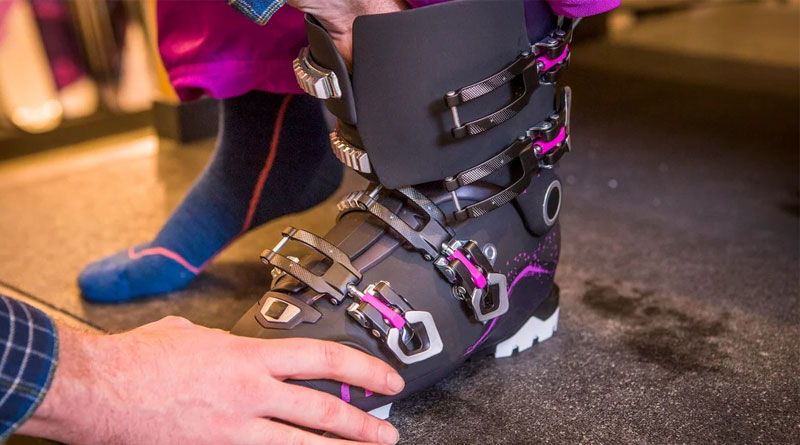
Footbeds, also known as insoles, are inserts placed inside your ski boots under your feet. Their primary role is to support the arches, improve fit, align the body, reduce pressure points, and enhance energy transfer from the skier to the skis. Unlike generic insoles found in everyday shoes, ski boot footbeds are specifically designed to perform under pressure in tight-fitting, rigid boots.
Why Do You Need Better Footbeds?
Most ski boots come with minimal, flat insoles that do little to support your foot or improve performance. Here are some benefits of upgrading your footbeds:
-
Better Comfort: They reduce hotspots, arch pain, and numbness.
-
Improved Performance: A stable foot means better balance and more precise ski control.
-
Injury Prevention: Proper alignment reduces stress on knees, hips, and back.
-
Warmth and Circulation: Good footbeds help distribute pressure evenly, improving blood flow and warmth.
Types of Footbeds for Ski Boots
When choosing footbeds, you’ll generally find three types: stock, off-the-shelf (trim-to-fit), and custom-molded.
1. Stock Footbeds
These are the insoles that come with your ski boots. They offer little or no arch support and are typically made from thin foam or felt. Most skiers replace these immediately.
2. Off-the-Shelf Footbeds
These insoles are pre-shaped and available in different arch heights (low, medium, high). Brands like SIDAS 3Feet, Superfeet Winter Support, and Dr. Scholl’s Work All-Day offer solid options. They’re a big improvement over stock footbeds and are easy to trim for a better fit.
3. Custom Footbeds
Custom footbeds, such as those made by CURREX, ZipFit, or through ski boot fitters, are molded to the exact shape of your foot. They offer the best support, alignment, and comfort but are more expensive. Ideal for those with foot pain, unique anatomy, or performance-focused skiers.
Key Factors to Consider
1. Arch Type
Identifying your arch type is crucial. Most footbeds are designed for either low, medium, or high arches. You can check your arch by doing a wet footprint test:
-
Flat/Low Arch: Your entire foot makes contact with the ground.
-
Medium Arch: You see a distinct curve along the inside.
-
High Arch: Only your heel and forefoot make full contact.
Choose a footbed that matches your arch type to ensure optimal support.
2. Boot Fit
Ski boots are tight by design. A bulky insole can make them uncomfortable. Look for low-volume footbeds if your boots are already snug. Some brands offer different thickness levels, like EZFit’s low and regular volume options.
3. Foot Stability
Some skiers have unstable feet that roll inward (pronation) or outward (supination). The right footbed can help correct these tendencies, improving balance and reducing joint stress.
4. Skiing Style and Experience
-
Beginners may benefit from cushioned footbeds that offer comfort and support.
-
Advanced skiers might prefer stiffer footbeds that offer better power transfer and control.
-
Backcountry and alpine touring skiers often choose lightweight insoles that keep feet warm and reduce fatigue on long climbs.
5. Warmth and Moisture Control
Some footbeds come with features like aluminum insulation layers or moisture-wicking covers. Products like Superfeet Winter Support or SIDAS Winter 3Feet offer added warmth, which is useful in colder climates.
6. Odor and Hygiene
Moisture management is crucial for multi-day ski trips. Look for footbeds with antibacterial coatings or odor-absorbing foams, such as those found in CURREX EdgePro or Dr. Scholl’s Work All-Day.
Trimming and Installation Tips
Most off-the-shelf insoles need trimming. Here’s how to do it right:
-
Remove the stock insole from your boot.
-
Use it as a template to trace the shape on the new footbed.
-
Trim carefully using sharp scissors.
-
Test the fit before finalizing—trim small sections at a time.
-
Insert and align properly inside the boot with the heel seated well.
Signs You’ve Chosen the Right Footbed
-
Your feet feel supported, not cramped.
-
Your toes aren’t numb or cold after a few runs.
-
You notice better control and edge grip.
-
You feel less fatigue in your feet, knees, and lower back.
-
There are no pressure points or hot spots.
Common Mistakes to Avoid
-
Choosing the wrong arch height: It can make things worse.
-
Skipping trimming: A poor fit cancels out the benefits.
-
Ignoring boot volume: Thick insoles in tight boots can cause pain.
-
Assuming expensive means better: Off-the-shelf footbeds often work perfectly for many skiers.
Top Recommended Footbeds
Here are a few tried-and-tested options to consider:
-
CURREX EdgePro – Excellent arch support, anti-slip grip, great for high-performance skiing.
-
EZFit QF – Comfortable, lightweight, good for improving boot fit.
-
Superfeet Winter Support – Deep heel cup, warmth, and odor control.
-
SIDAS 3Feet – Available for all arch types, great insulation, and easy to trim.
-
Dr. Scholl’s Work All-Day – Affordable, great shock absorption for hard-packed terrain.
When to Consider Custom Footbeds
If you:
-
Have persistent foot pain or discomfort
-
Ski more than 20–30 days a season
-
Have high-performance needs (racing, advanced backcountry)
-
Have foot conditions like plantar fasciitis or bunions
Then it might be worth visiting a boot fitter for custom insoles.
Final Thoughts
Upgrading your ski boot footbeds is one of the easiest ways to increase comfort, boost performance, and prevent injuries. With so many options available—from budget-friendly trim-to-fit models to high-end custom ones—you can find something that fits both your foot and your budget. Take the time to understand your arch, boot fit, and skiing style, and you’ll be well on your way to happier feet and better days on the slopes.