Best Ski Bindings for Beginners of 2026
Choosing your first pair of ski bindings can feel overwhelming, especially with so many technical terms like DIN range, GripWalk compatibility, and elastic travel being thrown around. The right bindings keep you safely connected to your skis while releasing predictably if you fall, which is especially important while you are still building confidence and technique. This guide reviews eight beginner-friendly ski bindings and explains exactly what to look for before you buy.
1. Marker Squire 10
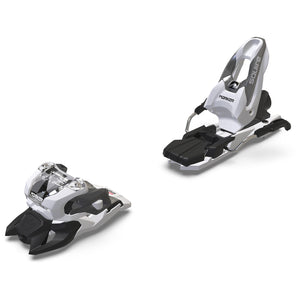
- Toe Piece: Triple Pivot Light 2 Toe, GripWalk ready and fits alpine soles
- AFD: Plastic anti-friction device for smooth release
- Heel Piece: Compact Heel design for reduced weight
- Stand Height: 20mm for a natural feel on snow
The Marker Squire 10 is a dependable entry point into the binding world, built for skiers who want simplicity without sacrificing safety. The Triple Pivot Light toe piece is easy to step into, which is a big plus when you are still getting used to clicking in on uneven terrain, and the GripWalk compatibility means it works with most modern beginner boots.
Its compact heel keeps the overall weight down, making it comfortable for a full day on the slopes without excess fatigue. The low 20mm stand height also improves stability and edge control, both of which matter when you are learning to carve. Overall, it is a low-fuss, budget-friendly option that performs reliably.
Pros:
- Easy step-in toe design
- Lightweight and compact heel
- Low stand height improves control
Cons:
- Fewer premium features than higher-end models
- Limited elasticity data published
2. Tyrolia Attack LYT 9 GW
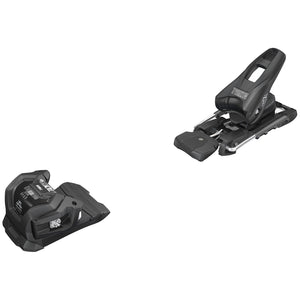
- Toe Piece: LYT Toepiece, 15 percent lighter than standard designs
- Adjustment: Auto Toe Height Adjustment for consistent fit
- Profile: Smaller profile toe for reduced bulk
- Compatibility: Works with GripWalk ISO 23223 and Alpine ISO 5355 soles
The Tyrolia Attack LYT 9 GW is designed around convenience, and that shows the moment you try to step in. The Easiest Step In Force heel makes clicking into your skis noticeably less effortful, which is a genuine advantage for beginners who often struggle with stiff heel pieces during their first few outings.
The auto toe height adjustment automatically compensates for different boot sole thicknesses, removing a common source of setup error at ski shops. Combined with its lighter, smaller-profile toe, this binding feels unobtrusive underfoot while still supporting both Alpine and GripWalk soles, giving new skiers flexibility as they try different boots.
Pros:
- Very easy step-in heel
- Automatic toe height adjustment
- Dual sole compatibility
Cons:
- Lighter build may feel less substantial
- Best suited to lighter, cautious skiers
3. Salomon Stage 10 GW
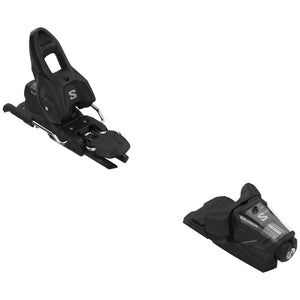
- Toe Piece: Automatic Wing and Toe Height Adjustment with Walk Pedal
- Heel Rollers: Back Rollers Technology reduces boot-to-heelpiece friction
- Adjustment Range: 30mm of micrometric adjustment for a precise fit
- Step-In: Lower step-in threshold for easier entry
The Salomon Stage 10 GW takes a lot of the guesswork out of setup, thanks to its automatic wing and toe height adjustment that adapts to your boot sole without manual fiddling. The Back Rollers Technology in the heel is a standout feature, letting you click in with far less resistance, even on soft powder days.
Its shorter mounting footprint allows the ski to flex more naturally underfoot, which helps beginners feel more connected to the snow as they build technique. With 30mm of micrometric adjustment, boot swaps or growth in ski shoe size are handled easily, making this a smart long-term choice.
Pros:
- Reduced friction step-in via heel rollers
- Generous micrometric adjustment range
- Lightweight polyamide heel housing
Cons:
- Walk pedal adds slight bulk
- Not ideal for aggressive skiing styles
4. Atomic Stage 10 GW
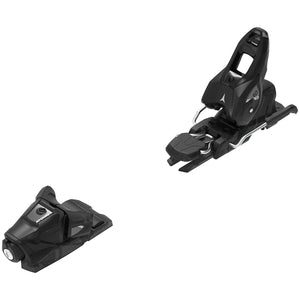
- Toe Piece: Automatic Wing and Toe Height Adjustment with Walk Pedal
- Heel Rollers: Back Rollers Technology for smoother stepping in
- Adjustment Range: 30mm of micrometric adjustment
- Mounting: Shorter mounting footprint for natural ski flex
Sharing its core technology with the Salomon Stage, the Atomic Stage 10 GW offers the same beginner-friendly ease of use with Atomic’s own styling and heel housing tuning. The automatic wing and toe adjustment removes manual calibration steps, so first-time buyers are less likely to make setup mistakes at home.
The Easy Step-In feature is particularly helpful for lighter or smaller skiers who may struggle with heavier heel pieces on other bindings. Combined with the durable polyamide heel housing and shorter base plates for better ski flex, this binding balances comfort, ease, and durability well for a first season on the slopes.
Pros:
- Very low step-in threshold
- Durable, paintable heel housing
- Wide micrometric adjustment range
Cons:
- Nearly identical to Salomon Stage, less brand distinction
- Walk pedal not needed by all beginners
5. Look NX 11 GW
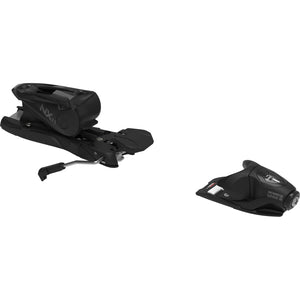
- Toe Piece: Full Drive Concept with 180 degree multi-directional release
- Elasticity: 45mm toe lateral elasticity for reliable retention
- Heel Piece: NX Heel with easy step-in and step-out
- Compatibility: Dual Standard Concept for ISO 5355 Alpine and GripWalk soles
The Look NX 11 GW brings a genuinely reassuring safety feature to beginners: a true 180 degree multi-directional release that functions independently from the heel. This means the binding can release upward in a fall, which is a meaningful protection for new skiers still learning how to fall safely.
Its wide heel throw makes entry and exit intuitive, while the lightweight composite construction keeps the overall setup manageable to carry and use. The wide mounting zone also improves compatibility with wider beginner skis, making the NX 11 a versatile, safety-forward option as your skills progress.
Pros:
- True multi-directional toe release
- Wide, intuitive heel entry
- Lightweight composite build
Cons:
- Slightly pricier than basic models
- More features than absolute beginners may need
6. Tyrolia Protector PR 11 GW Set
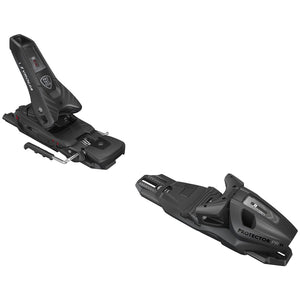
- Toe System: TX Toe with TRP System and four rollers for 180 degree release
- Heel Release: Full Heel Release with lateral and vertical release
- Elasticity: 7mm lateral elasticity in both directions
- Compatibility: ISO 5355 Alpine and ISO 23223 GripWalk soles
The Tyrolia Protector PR 11 GW Set is built around reducing injury risk, using its Roller Pincer Toe System to lower stress on the knees and ligaments during a fall. This makes it a strong choice for beginners who are naturally more prone to awkward tumbles while learning technique.
The Full Heel Release system adds another layer of protection by combining lateral and 180 degree vertical release, while the 30 degree heel rotation helps the binding respond appropriately to twisting falls. It is a safety-focused binding that beginners transitioning into more confident skiing will appreciate.
Pros:
- Strong knee and ligament protection features
- Reliable four-roller toe system
- Full heel release for added safety
Cons:
- Requires Power Rail base compatibility
- More complex than simpler entry-level bindings
7. Salomon Strive 10 GW
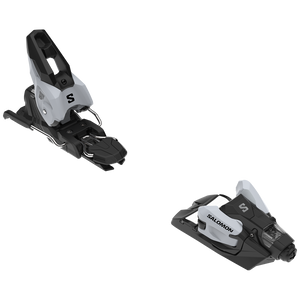
- Toe Piece: LDN Toe with low center of gravity for better response
- Toe Pedal: Extra wide toe pedal over 60mm for lateral power transmission
- DIN Range: 3 to 10, rated for Beginner to Intermediate ability
- Heel Piece: Monobloc Heel for a low-weight, convenient design
The Salomon Strive 10 GW is explicitly rated for beginner to intermediate skiers, with a DIN range of 3 to 10 that suits lighter and less aggressive skiers well. The LDN toe design lowers the binding’s center of gravity, improving snow feel and confidence while you are still learning to trust your edges.
Its extra-wide toe pedal and XL wings wrap the boot securely, providing strong lateral power transmission without feeling harsh underfoot. The Monobloc Heel keeps things simple and lightweight, and the low-profile chassis further enhances terrain feedback, making this one of the more technically well-rounded beginner bindings on this list.
Pros:
- Beginner to intermediate DIN rating
- Low center of gravity improves feel
- Lightweight monobloc heel design
Cons:
- Wide toe pedal may not suit narrow boots
- Limited to lower DIN range for advanced skiers
8. Look NX 10 GW
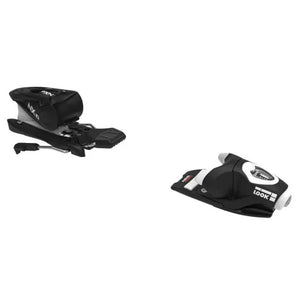
- Toe Piece: Full Drive Concept with 180 degree multi-directional release
- Elasticity: 45mm toe lateral elasticity for reliable retention
- Heel Piece: NX Heel with easy step-in and step-out design
- Compatibility: Dual Standard Concept for ISO 5355 Alpine and GripWalk soles
The Look NX 10 GW offers nearly the same safety-first engineering as its NX 11 sibling, with the same Full Drive Concept toe piece and true multi-directional release. This makes it an excellent value pick for beginners who want strong protection features without paying for the slightly higher retention rating of the NX 11.
The wider heel throw makes stepping in and out simple, an important quality for new skiers still getting comfortable with their gear. Its lightweight composite build and wide mounting zone also make it compatible with a broad range of beginner-friendly skis, rounding out a well-balanced, budget-conscious option.
Pros:
- Reliable multi-directional release
- Easy step-in and step-out heel
- Good value compared to NX 11
Cons:
- Slightly lower retention rating than NX 11
- Composite materials feel less premium
How to Choose the Best Ski Bindings for Beginners
Picking your first set of ski bindings is about more than matching colors to your skis. Bindings are the safety link between you and your equipment, and for beginners, that connection matters even more because falls are more frequent while you are still developing balance, edge control, and confidence on the mountain. Below is a detailed breakdown of what actually matters when comparing the bindings reviewed above.
Understanding DIN Range
The DIN setting determines how much force is required before your boot releases from the binding during a fall. For beginners, a lower DIN range, generally between 3 and 10, is usually appropriate because it allows the binding to release more easily, reducing strain on knees and ankles during a tumble. As your skill and speed increase, you may eventually need a binding with a higher maximum DIN, but starting conservative is the safer approach.
Why DIN Matters for New Skiers
Setting the DIN too high can prevent the binding from releasing when it should, increasing injury risk. Too low, and the binding may release unexpectedly during normal skiing, which is inconvenient and can also be dangerous at speed. A certified ski technician should always perform the final DIN setting based on your height, weight, boot sole length, and ability level.
GripWalk and Sole Compatibility
Modern ski boots increasingly use GripWalk soles, which have a curved rubber sole designed for easier walking off the slopes. Most of the bindings in this list, including the Marker Squire 10 and Tyrolia Attack LYT 9 GW, are compatible with both GripWalk ISO 23223 and traditional Alpine ISO 5355 soles. Confirming this compatibility before buying prevents mismatched setups that a shop may refuse to mount.
| Sole Type | Standard | Best For |
|---|---|---|
| Alpine | ISO 5355 | Traditional hard-sole ski boots |
| GripWalk | ISO 23223 | Boots designed for easier walking |
| Dual Compatible | Both | Skiers who may switch boot types |
Step-In Ease
For beginners, an easy step-in experience can be the difference between an enjoyable morning and a frustrating one. Features like the Tyrolia Attack’s Easiest Step In Force or the Back Rollers Technology found in the Salomon and Atomic Stage bindings reduce the physical effort needed to click into your skis, which is especially helpful for lighter skiers or those new to the sport.
Look for These Step-In Features
- Lower step-in thresholds for less required force
- Rollers or reduced-friction heel components
- Wider heel throw for easier entry and exit
- Automatic toe height adjustment to reduce setup errors
Weight and Stand Height
Lighter bindings generally make skis easier to maneuver, which benefits beginners still building strength and technique. A lower stand height, such as the 20mm found on the Marker Squire 10, also keeps you closer to the ski, improving balance and reducing the leverage that can lead to falls. However, do not sacrifice safety features purely to save a small amount of weight.
Elasticity and Release Behavior
Elastic travel refers to how much a binding can flex before actually releasing, absorbing small shocks and vibrations without unclipping unnecessarily. Bindings like the Look NX 10 and NX 11, with 45mm of toe lateral elasticity, are designed to avoid premature releases on bumps while still releasing appropriately during genuine falls. This balance is particularly valuable for beginners navigating varied terrain and small obstacles.
Multi-Directional Release
A true multi-directional release, such as the 180 degree release found in the Look and Tyrolia Protector bindings, allows the toe piece to release independently in multiple directions. This is especially protective for twisting falls, which are common among new skiers who have not yet developed instinctive falling technique.
Brake Width and Ski Compatibility
Every binding in this list recommends a brake width equal to or at most 15mm wider than your ski’s waist width. Choosing a binding with the correct brake width ensures the brakes deploy properly and do not drag or interfere with the ski’s edge. Always check your ski’s waist width measurement before finalizing a binding purchase.
| Consideration | What to Check |
|---|---|
| Brake Width | Should not exceed ski waist width by more than 15mm |
| Boot Sole Type | Must match Alpine, GripWalk, or dual compatibility |
| DIN Range | Should fall within recommended range for weight and ability |
| Adjustment Range | Should accommodate boot sole length changes over time |
Adjustability for Growing Skills
Because beginners often progress quickly, bindings with generous micrometric adjustment, such as the 30mm range on the Salomon and Atomic Stage models, allow you to swap boots without remounting the entire binding. This flexibility can save money and hassle as you upgrade your gear over your first few seasons.
Budget Versus Features
Simpler bindings like the Marker Squire 10 offer solid core performance at a lower price, while models like the Tyrolia Protector PR 11 GW Set or Look NX 11 GW include additional safety technology at a higher cost. Beginners on a tighter budget can still ski safely with basic models, but those willing to invest a bit more may benefit from added release protection and adjustability as they progress.
Quick Decision Checklist
- Confirm your boot sole type matches the binding’s compatibility
- Choose a DIN range appropriate for your weight and skill level
- Check that brake width matches your ski’s waist width
- Prioritize easy step-in features if you are new to skiing
- Consider elasticity and release type for added fall protection
- Balance your budget against the safety features you want
Ultimately, the best ski binding for a beginner is one that matches your boot, your ski, and your ability level while offering predictable, protective release behavior. Take time to have a certified technician mount and set your bindings correctly, and prioritize ease of use and safety features over marginal weight savings as you build your skills on the mountain.