Best Ski Bindings for Intermediate Skiers of 2025
Finding the right ski bindings can make a big difference in your skiing experience, especially if you’re an intermediate skier looking to improve your skills. The best bindings give you the right mix of safety, control, and comfort, so you can ski with confidence on different slopes. They help transfer your movements smoothly to your skis, giving you better stability and responsiveness. At the same time, they release properly during a fall to reduce the risk of injury. In this guide, we’ve selected the best ski bindings for intermediate skiers, focusing on performance, durability, and value, so you can enjoy your time on the mountain with peace of mind.
1. Marker Griffon 13 ID
-
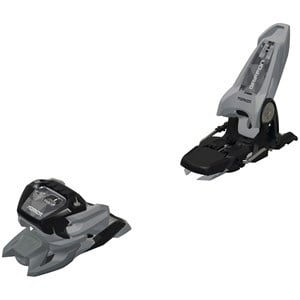
DIN Range: 4–13
-
Boot Compatibility: Alpine DIN (ISO 5355), Alpine Touring (ISO 9523), Walk to Ride (WTR), GripWalk (ISO 23223)
-
Heel Piece: Inter Pivot 3 Heel with magnesium bracket
-
Toe Piece: Triple Pivot Elite 3 Toe with Anti Ice Rail
The Marker Griffon 13 ID is a trusted choice for freeride skiers who demand power, control, and reliability. Designed for intermediate to advanced skiers, it offers exceptional retention for aggressive riding without the risk of pre-release. The updated Inter Pivot 3 heel improves step-in performance, eliminating the main complaint from previous versions. Its Triple Pivot Elite 3 toe ensures excellent energy absorption, and the Anti Ice Rail is a simple yet useful addition for keeping your boot soles clear of snow and ice. Thanks to Sole.ID technology, the Griffon accommodates a wide range of boot sole types, making it a versatile binding for multiple ski setups.
On the mountain, the Griffon 13 ID delivers solid edge-to-edge power transfer, especially on wider skis. The 24 mm stand height provides a natural feel, and the build quality inspires long-term confidence. However, while the binding is fantastic for heavier or more aggressive skiers, lighter riders may find the heel piece requires more effort to engage. This was especially noticeable for my wife, who at 130 lbs found it difficult to step in consistently. For those riders, the Marker Squire may be a better fit. That aside, the Griffon 13 ID remains one of the most dependable bindings available, with a track record for lasting durability and consistent performance in all conditions.
Pros
- Excellent retention for aggressive skiing
- Compatible with multiple boot sole norms
- Anti Ice Rail for quick snow removal
- Durable construction for long-term use
Cons
- Heel can be stiff for lighter skiers
- Slightly heavier than some alternatives
2. Look Pivot 14 GW
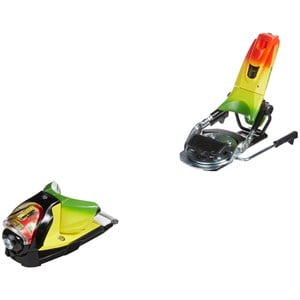
-
DIN Range: 5–14
-
Boot Compatibility: Alpine DIN (ISO 5355), GripWalk (ISO 23223)
-
Heel Piece: Turntable Heel with 28 mm vertical elasticity
-
Toe Piece: Full Action Toe with 45 mm elasticity
The Look Pivot 14 GW is a legendary binding with a devoted following among advanced and expert skiers. Its standout feature is the turntable heel, which rotates directly under the tibia to reduce injury risk and provide unmatched elasticity. With 45 mm of toe elasticity and 28 mm in the heel, it minimizes the risk of unwanted pre-release while still ensuring safe ejection when needed. The smaller mounting zone allows skis to flex more naturally, improving snow feel and control, while the metal-heavy construction ensures durability in extreme conditions.
On snow, the Pivot 14 delivers precise power transfer and rock-solid retention, even in aggressive, high-speed skiing. The smoothness of release is notable — when you do eject, it feels controlled and safe rather than jarring. Its metal build withstands impacts that might shatter more plastic-heavy bindings in cold weather. The vibrant color options might not be for everyone, but they do add a distinctive look. While the price is higher than some competitors, its longevity and consistent performance justify the investment, especially for skiers who want one binding they can trust season after season.
Pros
- Exceptional elasticity for reduced pre-release
- Turntable heel enhances safety and power transfer
- Durable metal construction for long life
- Smooth, controlled release
Cons
- Higher price point
- Color choices may be too bold for some tastes
3. Marker Squire 11
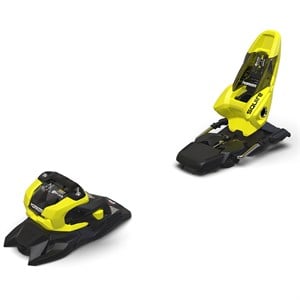
-
DIN Range: 3–11
-
Boot Compatibility: Alpine DIN (ISO 5355), GripWalk (ISO 23223)
-
Heel Piece: Hollow Linkage 2 Heel with reduced step-in force
-
Toe Piece: Triple Pivot Light 2 Toe with Anti Ice Rail
The Marker Squire 11 is a lightweight, dependable binding ideal for intermediate to advanced skiers, particularly women and lighter riders. Its redesigned Hollow Linkage 2 heel improves step-in performance by reducing the required force by 30%, making it easy to engage even with GripWalk boots. The Triple Pivot Light 2 toe offers reliable retention and a strong connection to your skis, while the Anti Ice Rail provides a handy way to scrape snow and ice off your boot soles. Combined with a stainless steel AFD gliding plate, the Squire 11 ensures precise release even in challenging snow conditions.
On the slopes, the Squire 11 delivers a smooth and predictable skiing experience. It provides consistent power transfer without feeling overly aggressive, making it a versatile choice for skiers who value comfort and control. The low stand height helps keep you connected to the snow, and its lighter weight reduces fatigue during long days. One standout feature is the small dimple on the release lever, perfectly shaped for a ski pole tip, allowing for easy boot release without bending down. For skiers who want reliable performance at a more approachable DIN range, the Squire 11 offers a strong balance of safety, ease of use, and durability.
Pros
- Lightweight and ideal for lighter skiers
- Improved heel design for easier step-in
- Anti Ice Rail for quick boot cleaning
- Smooth and consistent release
Cons
- Not suitable for very aggressive or heavy skiers
- Limited to DIN 11 maximum
4. Salomon Strive 12 GW
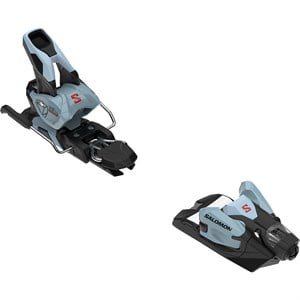
-
DIN Range: 4–12
-
Boot Compatibility: Alpine DIN (ISO 5355), GripWalk (ISO 23223)
-
Toe Piece: LDN Low Profile Toe with automatic wing adjustment
-
Heel Piece: 3-Part Light Heel for reduced weight
The Salomon Strive 12 GW combines lightweight construction with a low profile design for improved snow feel and precision. Inspired by Salomon’s hybrid Shift bindings, it uses the LDN Toe to place the skier closer to the ski, enhancing terrain feedback and power transfer. Automatic wing and toe height adjustments make setup effortless while ensuring consistent release values, even with worn boots. Its compatibility with both Alpine and GripWalk soles adds versatility, making it a great option for skiers with multiple boot setups.
On the mountain, the Strive 12 GW feels responsive and stable, with a secure hold that inspires confidence at speed. The low stand height helps you read the snow more accurately, allowing for quick adjustments on variable terrain. Entry and exit are smooth, and its lightweight build reduces strain over long days. The streamlined design also gives skis a clean, modern look. While it may not offer the same elasticity as some heavier bindings, it excels in precision and ease of use, making it a smart choice for intermediate to advanced skiers seeking a high-performing all-mountain binding.
Pros
- Lightweight and responsive
- Low profile for better snow feel
- Automatic adjustments for easy setup
- Compatible with both Alpine and GripWalk soles
Cons
- Less elasticity than some heavier bindings
- Not ideal for extreme freeride demands
5. Look Pivot 12 GW
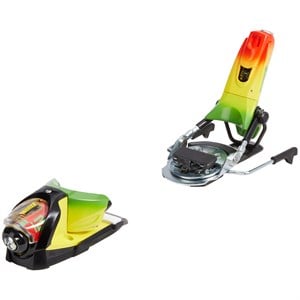
-
DIN Range: 4–12
-
Boot Compatibility: Alpine DIN (ISO 5355), GripWalk (ISO 23223)
-
Heel Piece: Turntable Heel with 28 mm vertical elasticity
-
Toe Piece: Full Action Toe with 45 mm lateral elasticity
The Look Pivot 12 GW is a classic choice for skiers who prioritize safety, retention, and smooth release. Known for its exceptional elasticity, it minimizes unwanted pre-releases while still ensuring quick, controlled ejection when needed. The Full Action Toe provides a strong boot-to-binding connection, while the Turntable Heel rotates directly under the tibia to reduce injury risk. The smaller mounting zone allows skis to flex naturally, maintaining their intended performance across all snow conditions.
On snow, the Pivot 12 GW offers a precise, confident feel, particularly in challenging terrain like icy moguls and tree runs. The binding engages and releases with remarkable accuracy, giving skiers peace of mind during aggressive descents. Its robust build is designed to last, making it a solid investment for those who ski often. While not the lightest binding, its stability and safety features far outweigh any extra grams. For skiers seeking a dependable binding with decades of proven design, the Pivot 12 GW remains a top contender.
Pros
- Excellent elasticity for reduced pre-release
- Turntable heel enhances safety and control
- Strong boot-to-binding interface
- Durable, long-lasting construction
Cons
- Slightly heavier than some modern designs
- Higher price than entry-level options
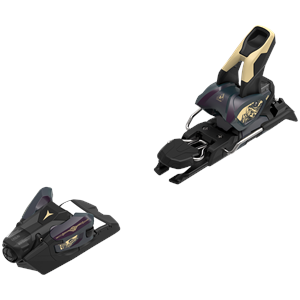
6. Atomic Strive 12 GW
-
DIN Range: 4–12
-
Boot Compatibility: Alpine DIN (ISO 5355), GripWalk (ISO 23223)
-
Toe Piece: LDN Low Profile Toe with automatic wing adjustment
-
Heel Piece: 3-Part Light Heel for reduced weight
The Atomic Strive 12 GW blends lightweight performance with precise control, making it a great choice for intermediate to advanced skiers. Its LDN Low Profile Toe sits close to the ski, giving you enhanced snow feel and direct power transmission. Automatic wing and toe height adjustments make fitting simple while maintaining consistent release values, even with boots that have seen plenty of use. The binding’s compatibility with both Alpine and GripWalk soles means it works seamlessly with most modern boots.
On the slopes, the Strive 12 GW stands out for its responsive handling and stability at speed. Its low stand height keeps you connected to the terrain, while the lightweight build helps reduce fatigue during long days of skiing. The streamlined design looks clean on the ski and doesn’t feel bulky underfoot. While it doesn’t offer as much elasticity as heavier bindings like the Look Pivot series, it strikes a solid balance between weight savings and reliable performance. For skiers looking for a dependable, modern binding without unnecessary bulk, the Strive 12 GW is an excellent option.
Pros
- Lightweight for reduced fatigue
- Low profile for better snow connection
- Automatic adjustments for quick setup
- Compatible with both Alpine and GripWalk soles
Cons
- Less elasticity than some heavier bindings
- Not designed for extreme freeride skiing
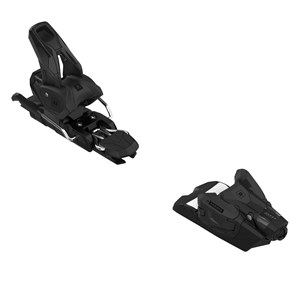
7. Armada Strive 12 GW
-
DIN Range: 4–12
-
Boot Compatibility: Alpine DIN (ISO 5355), GripWalk (ISO 23223)
-
Toe Piece: LDN Low Profile Toe with XL Wings
-
Heel Piece: 3-Part Light Heel with 30 mm adjustment range
The Armada Strive 12 GW offers a sleek, performance-driven design built for versatility across the mountain. Its LDN Low Profile Toe keeps you closer to the ski for enhanced snow feel and quicker response, while XL Wings provide superior lateral power transmission and easier step-in, even in powder. Automatic wing and toe height adjustments simplify setup and maintain consistent release values. With a 30 mm adjustment range, these bindings can be fine-tuned to fit a variety of boot sizes, making them an adaptable option for multiple setups.
On snow, the Armada Strive 12 GW feels stable yet nimble, handling quick turns and variable terrain with ease. The low stand height improves terrain feedback, and the lightweight construction makes it comfortable for long days of skiing without sacrificing performance. The added elastic travel ensures that the binding holds when you need it but releases smoothly in a fall, contributing to a safer ride. For skiers looking for a binding that combines style, adjustability, and all-mountain reliability, the Armada Strive 12 GW is an excellent everyday choice.
Pros
- XL Wings for better power transfer and step-in ease
- Adjustable for a wide range of boot sizes
- Lightweight yet stable performance
- Smooth release with good retention
Cons
- Less suited for very aggressive freeride skiing
- Not as much elasticity as top freeride bindings
How to Choose Ski Bindings for Intermediate Skiers?
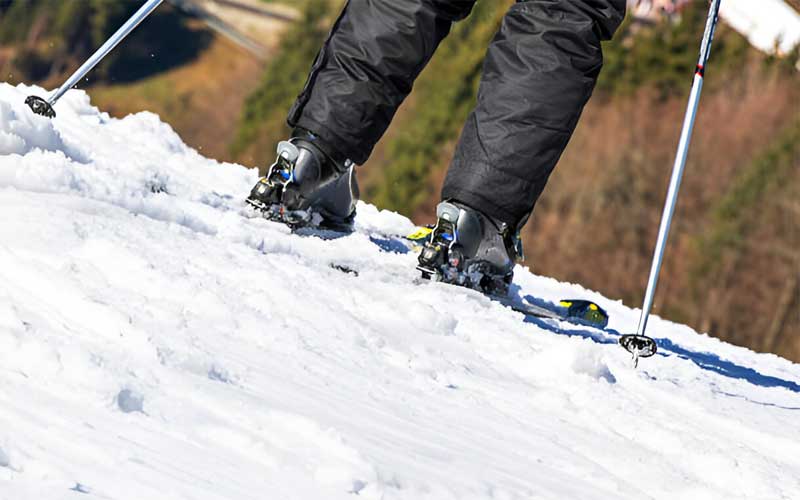
Ski bindings might not be the flashiest part of your setup, but they are absolutely critical. They connect your boots to your skis and control how power is transferred, as well as when and how your skis release during a fall. For intermediate skiers, choosing the right bindings can significantly improve control, comfort, and safety on the slopes.
Whether you’re upgrading from your beginner setup or buying your first pair of skis and bindings, this guide will help you understand what to look for and how to make the best choice.
1. Understand the Role of Ski Bindings
Bindings have two main purposes:
-
Performance: They transfer your movements to the skis, helping you carve, turn, and maintain control at higher speeds.
-
Safety: They release your boots during a crash to prevent injuries, particularly to your knees and legs.
Intermediate skiers are usually developing faster carving skills, venturing onto steeper slopes, and exploring varied snow conditions. This means your bindings need to balance stability and responsiveness with reliable release.
2. Determine Your DIN Setting Range
DIN (Deutsches Institut für Normung) is the release force setting on bindings. It determines how much force is required before your boots release from the skis during a fall.
DIN depends on:
-
Weight
-
Height
-
Skiing ability
-
Boot sole length
Intermediate skiers typically use DIN settings between 5 and 9, but your exact number should be calculated using a DIN chart or by a ski technician. When buying bindings, ensure the DIN range covers your required setting. For example, if your DIN is 7, a binding with a 4–12 range is ideal.
3. Brake Width Matters
The brake width is the distance between the two brake arms on your bindings. It should be slightly wider than your ski’s waist width (the narrowest point of the ski).
-
Too narrow: The brakes won’t deploy properly.
-
Too wide: They may drag in the snow, reducing performance.
Aim for a brake width about 5–10 mm wider than your ski’s waist width. For example, if your skis are 85 mm wide, brakes between 90–95 mm are a good fit.
4. Binding Types for Intermediate Skiers
There are different binding styles, and the right choice depends on your skiing style and future goals.
Alpine (Downhill) Bindings
-
Most common for groomed slopes and resort skiing.
-
Offer strong power transfer and predictable release.
-
Best choice for intermediates focused on progressing on-piste.
Alpine Touring (AT) Bindings
-
Allow uphill travel with a free heel and lock down for descents.
-
Good if you plan to explore backcountry skiing in the future.
-
Slightly heavier and more expensive.
Hybrid Bindings
-
Combine downhill performance with some touring capability.
-
Great for intermediates who want occasional backcountry trips without sacrificing resort performance.
5. Build Quality and Materials
Bindings are made from a mix of plastic and metal. For intermediates, look for:
-
Reinforced heel and toe pieces for better durability.
-
Solid metal components in high-stress areas for longevity.
-
Lightweight designs to reduce fatigue without sacrificing strength.
Higher-quality materials can withstand more aggressive skiing and last longer, making them a smart investment.
6. Toe and Heel Piece Design
The toe and heel pieces are where your boots lock into the bindings.
-
Toe Piece: Look for multi-directional release capability. This ensures your boots can release in different fall scenarios, not just forward falls.
-
Heel Piece: A solid heel retention system ensures power transfer during turns and prevents unwanted release.
Intermediate skiers often benefit from bindings with adjustable toe height to accommodate different boot shapes.
7. Consider Binding Weight
Weight may not be a huge concern for resort skiing, but it can still affect fatigue, especially if you ski long days. Lighter bindings can make skis more responsive, while heavier bindings often provide more durability and power transfer.
If you plan to ski all day and value quick edge changes, aim for a lighter model. If you prioritize strength and high-speed stability, a slightly heavier binding is fine.
8. Safety Features
Bindings for intermediate skiers should include modern safety features like:
-
Elastic travel: Allows some movement before release, preventing pre-release during aggressive skiing.
-
Anti-friction device (AFD): Helps ensure consistent release under varying snow conditions.
-
Adjustable release settings: For both toe and heel, tailored to your ability and safety needs.
9. Brand and Model Reputation
Well-known ski binding brands like Marker, Tyrolia, Look, Atomic, and Salomon are trusted for safety and reliability. Check reviews, ask fellow skiers, and talk to a ski shop about models popular with intermediate riders.
Bindings from reputable brands are easier to service and often come with better warranties.
10. Professional Mounting is a Must
Bindings must be mounted and adjusted by a qualified ski technician. Proper mounting ensures:
-
Your DIN setting is correctly applied.
-
Brakes align with your ski width.
-
Release mechanisms function as intended.
Even if you buy bindings online, take them to a shop for installation.
11. Think About the Future
As an intermediate skier, you’re improving quickly. Choose bindings that allow room for progression:
-
A DIN range that covers at least 2–3 points above your current setting.
-
Sturdy construction for higher speeds and varied terrain.
-
Compatibility with different boot sole norms (Alpine, GripWalk, WTR).
This avoids having to upgrade too soon as your skills advance.
12. Budget and Value
Bindings range from around $120 to $350+. While cheaper models work fine for light resort skiing, mid-range bindings offer better materials, safety features, and performance that support skill growth.
For intermediate skiers, spending $180–$250 typically gets you a durable, well-featured binding without unnecessary pro-level extras.
Final Tips
-
Match your bindings to your skis in width, performance level, and intended terrain.
-
Avoid overly high DIN bindings—they can be unsafe if they don’t release when needed.
-
Don’t overlook comfort—bindings that fit your boots well reduce fatigue and improve response.
-
Always prioritize safety over style—a binding’s color doesn’t matter if it doesn’t work properly.
Conclusion
Choosing the right ski bindings as an intermediate skier is about finding the perfect balance between performance, safety, and future growth. By understanding DIN settings, brake width, binding types, and safety features, you can select a pair that supports your skills while protecting you on the slopes.
Invest in quality, have them mounted professionally, and you’ll enjoy a more responsive, stable, and safe skiing experience for seasons to come. The right bindings won’t just hold your boots—they’ll help you hold your line.