Best Ski Goggles for Flat Light of 2026
Skiing in flat light can be tricky, especially when the slopes look dull and shadows disappear. Without the right goggles, it’s hard to see bumps or changes in the snow, which can make skiing less safe and less fun. The good news is that ski goggles designed for flat light can really help. They use special lens tints to boost contrast and sharpen your vision, so you can spot details more easily. In this guide, we’ll share the best ski goggles for flat light.
1. Smith Blazer
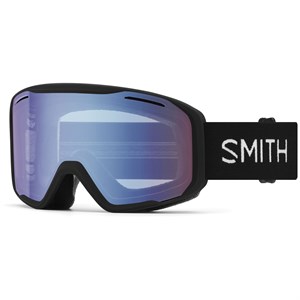
- Frame: Medium fit, OTG compatible, Responsive Fit design
- Lens: Cylindrical Carbonic-X with Fog-X Anti-Fog inner lens
- Ventilation: Integrated Airflow Technology
- Strap: Ultra-wide silicone-backed strap
The Smith Blazer Goggles offer clear and reliable vision, ideal for skiers and snowboarders seeking comfort and performance. The medium-fit frame is modern and flexible, ensuring a secure fit across different face shapes. The cylindrical Carbonic-X lens provides crisp optics, while the Fog-X Anti-Fog inner lens prevents moisture buildup for a fog-free experience. Airflow Technology enhances ventilation, keeping your view consistently clear in active conditions.
These goggles are designed for convenience and durability, featuring OTG compatibility for prescription glasses and seamless integration with Smith helmets. The two-layer DriWix face foam wicks moisture away for added comfort, and the ultra-wide strap ensures a secure fit during intense activity. A microfiber goggle bag with a replacement lens sleeve adds value, making the Smith Blazer a practical choice for winter sports enthusiasts.
Pros and Cons
- Pros: Excellent value, effective anti-fog, OTG compatible, seamless helmet integration
- Cons: Non-ChromaPop lens, no replacement lens included
2. OutdoorMaster Ski Goggles PRO

- Lens: Large spherical, frameless, interchangeable
- Compatibility: OTG design, universal helmet fit
- Ventilation: Optimized airflow system
- Accessories: Protective case and carrying pouch
The OutdoorMaster Ski Goggles PRO are built for a wide, unobstructed view, giving skiers and snowboarders excellent visibility. The spherical, frameless lens enhances peripheral vision, while the interchangeable system allows easy swapping of lenses to match different light conditions. Anti-fog coating and 100% UV400 protection keep your vision clear and eyes safe under all conditions.
Comfort is a key feature, with an OTG design for prescription glasses and a long, adjustable strap for universal helmet compatibility. The included protective case and pouch make storage easy and secure. While lenses are sold separately, the goggles provide versatile performance and a user-friendly design, making them a practical choice for adults and teens alike.
Pros and Cons
- Pros: Wide field of view, versatile lens system, good value, includes case and pouch
- Cons: Lenses sold separately, slightly less durable than premium brands
See the OutdoorMaster Ski Goggles PRO
3. Dragon DX3 OTG Low Bridge Fit
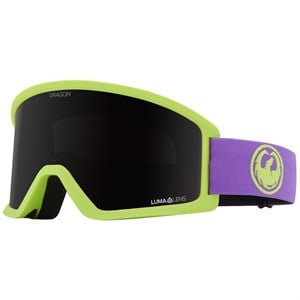
- Frame: Medium fit, OTG, Low Bridge Fit
- Lens: Thermal Formed Cylindrical Lens, Super Anti-Fog coating
- Lens Technology: LUMALENS Optimized Color Technology
- Face Foam: Dual foam with hypoallergenic micro fleece lining
The Dragon DX3 OTG Low Bridge Fit Goggles combine classic style with modern performance. The Low Bridge Fit ensures a comfortable and secure seal for flatter nose bridges, while the mid-sized frame provides full coverage and excellent peripheral vision. The Super Anti-Fog coating keeps your view clear in varying conditions, making it a reliable choice for long days on the mountain.
LUMALENS technology enhances contrast and color vividness, improving depth perception for faster reactions on the slopes. OTG compatibility allows prescription glasses underneath, and the dual-layer face foam provides comfort while wicking away moisture. These goggles offer high performance and value, making them suitable for a wide range of winter sports enthusiasts.
Pros and Cons
- Pros: Strong anti-fog coating, low bridge fit, LUMALENS technology, OTG compatible
- Cons: LUMALENS not on all colorways, Proposition 65 warning for California
See the Dragon DX3 OTG Low Bridge Fit
4. Findway Goggles – OTG
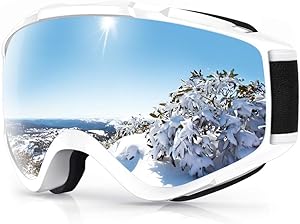
- Lens: Spherical double lens, anti-fog, anti-scratch, UV protection
- Ventilation: Professional airflow system
- Frame: Oversized OTG, TPU frame, triple-layer foam
- Strap: Silicone-backed, extra-long adjustable strap
The Findway Ski Goggles OTG deliver consistent performance and comfort for all winter sports enthusiasts. The spherical double lens offers a wide HD view and anti-fog protection, while the professional ventilation system maintains airflow to reduce moisture buildup. The mirrored lens coating adds style and glare reduction, giving a clear and modern look.
Oversized OTG design accommodates prescription glasses, while the triple-layer foam and TPU frame ensure comfort and durability. The silicone-backed strap secures the goggles to most helmets, making them suitable for skiing, snowboarding, or other outdoor activities. With a one-year guarantee, Findway provides reliability and peace of mind for winter adventurers.
Pros and Cons
- Pros: Great value, effective anti-fog and ventilation, oversized OTG, 1-year guarantee
- Cons: May not fit smaller faces, less premium than professional brands
See the Findway Ski Goggles OTG
5. OutdoorMaster OTG Goggles

- Frame: OTG soft TPU frame
- Lens: Dual-layer, anti-fog, UV400 protection
- Compatibility: Universal helmet fit with extra-long strap
- Included Accessories: Carrying pouch
The OutdoorMaster OTG Ski Goggles provide practical performance for skiers and snowboarders who wear prescription glasses. The OTG design allows a comfortable fit over most frames, while the dual-layer lens with anti-fog coating ensures clear vision in variable conditions. The lenses also provide full UV400 protection to safeguard your eyes on sunny days.
Constructed with a soft TPU frame, these goggles are durable and comfortable. The extra-long adjustable strap allows secure helmet integration, and the included carrying pouch makes transport and storage easy. While basic in design compared to premium models, the OutdoorMaster OTG Ski Goggles offer solid performance and great value for riders of all ages.
Pros and Cons
- Pros: Affordable, OTG compatible, good anti-fog, helmet friendly
- Cons: Lacks advanced features like interchangeable lenses, basic design
See the OutdoorMaster OTG Ski Goggles
6. EXP VISION Ski Goggles

- Lens: Panoramic cylindrical lens, anti-fog, UV protection
- Ventilation: Two-way venting system for heat and moisture
- Frame: OTG design with impact-resistant TPU frame
- Comfort: Detachable sponge and ultra-lightweight materials
The EXP VISION Ski Goggles are designed for skiers and snowboarders who want clear vision and comfort all day. The panoramic cylindrical lens provides a wide field of view with minimal visual distortion, while the dual polycarbonate lens protects against UV rays and fogging. The two-way venting system keeps air flowing to reduce heat and moisture, maintaining a crisp, fog-free view.
These goggles are OTG compatible, letting you wear prescription glasses comfortably underneath. The detachable sponge allows easy cleaning, keeping the goggles fresh, while the ultra-lightweight frame reduces pressure on your face for all-day comfort. Enhanced helmet compatibility ensures a secure fit during fast and aggressive runs. With stylish design and practical features, EXP VISION goggles deliver excellent performance at a budget-friendly price.
Pros and Cons
- Pros: Wide panoramic view, OTG compatible, lightweight, two-way ventilation
- Cons: REVO lens may not suit all light conditions, less premium finish
See the EXP VISION Ski Goggles
7. ZIONOR X Ski Goggles

- Lens: Panoramic design, anti-fog, UV protection
- Frame: OTG compatible, curved for helmet fit
- Durability: Enhanced Durability Tech (EDT) lens
- Comfort: Secure strap, fits both men and women
The ZIONOR X Ski Goggles provide excellent visibility with a panoramic lens treated for anti-fog and UV protection. This wide design ensures crystal-clear vision on the slopes, allowing skiers and snowboarders to navigate confidently. The OTG feature allows prescription glasses underneath without compromising comfort or field of view.
The goggles feature a durable EDT-coated lens to resist impacts and protect your eyes. Helmet compatibility is optimized with a curved frame and secure strap, ensuring a snug fit during fast runs. Designed for both men and women, these goggles offer a balance of performance, comfort, and durability for everyday winter sports use.
Pros and Cons
- Pros: Panoramic anti-fog lens, OTG compatible, durable EDT lens, helmet friendly
- Cons: Limited color options, basic frame padding
8. ZABERT OTG Goggles

- Lens: Double-layer, anti-fog, 100% UV protection
- Ventilation: Professional airflow system
- Frame: Oversized OTG, impact-resistant, frameless
- Strap: Premium silicone-backed adjustable strap
The ZABERT OTG Ski Goggles are built for performance, style, and comfort. The double-layer lens reduces fog and glare while providing full UV protection, keeping vision clear in all conditions. A professional airflow system ensures proper ventilation, preventing heat and moisture buildup during active use on the slopes.
These goggles feature an oversized OTG design to fit over prescription glasses comfortably, and the frameless TPU frame improves peripheral vision while maintaining impact resistance. The premium silicone-backed strap ensures secure helmet compatibility. With attractive colors and a 1-year guarantee, ZABERT goggles offer style, safety, and reliable performance for winter sports enthusiasts of all ages.
Pros and Cons
- Pros: OTG compatible, anti-fog, impact-resistant, great ventilation
- Cons: Slightly bulkier than compact goggles, may be tight for smaller faces
See the ZABERT OTG Ski Goggles
How to Choose Ski Goggles for Flat Light?
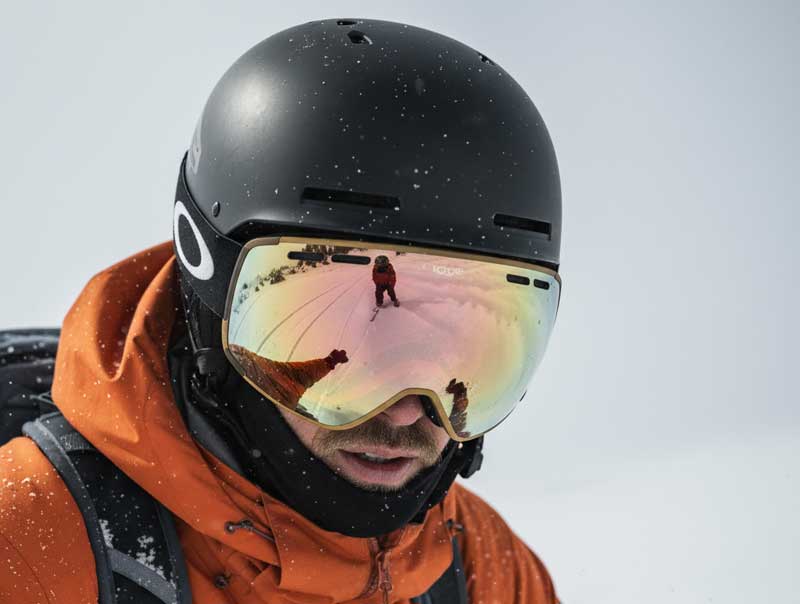
Skiing in flat light is a common challenge that every skier, from beginner to expert, will face. Flat light, which occurs on overcast days, during blizzards, or in the late afternoon, is when the sun’s rays are diffused by clouds or snow, creating a uniformly white environment. This makes it incredibly difficult to distinguish between the snow’s surface and the sky, and to spot bumps, dips, and other changes in terrain. Choosing the right ski goggles is the most effective way to combat this issue. The right goggle lens can significantly improve your depth perception and contrast, allowing you to ski safely and confidently even when visibility is poor.
Understanding Flat Light and How Goggles Help
Flat light is essentially the absence of shadows. Normally, the sun’s angle creates shadows on the snow that help our eyes perceive contours and variations in the terrain. Without these shadows, the landscape appears as a single, featureless white sheet. The key to skiing in these conditions is to use a goggle lens that enhances contrast. These lenses are designed to filter out certain wavelengths of light and let others pass through, making the subtle differences in the snow’s texture more visible to the human eye. This is primarily achieved through the lens’s tint and Visible Light Transmission (VLT) rating.
Key Features to Look for in Flat Light Goggles
Lens Tint and Color
The color of the goggle lens is the most critical factor for flat light conditions. Certain tints are specifically engineered to improve contrast by filtering light in a way that makes bumps and dips more apparent. The best colors for flat light are those that fall in the orange, yellow, rose, and amber spectrum. Each of these colors has unique properties:
- Yellow: Known for its ability to brighten a scene and increase contrast. Yellow lenses are excellent for very low light conditions and foggy days. They make everything appear brighter, which is great for visibility on a dark, overcast day.
- Orange/Rose: These are often considered the best all-around tints for variable conditions, including flat light. They offer a great balance of contrast enhancement and brightness, making them highly versatile. They help the eyes pick up on the subtle changes in the snow’s surface.
- Amber: Similar to yellow and orange, amber lenses are effective in low light. They provide good contrast and a comfortable visual experience, reducing eye strain.
Avoid dark-tinted lenses like black, gray, or dark green for flat light. These are designed for bright, sunny days and will only make your visibility worse in a whiteout or overcast situation. A high-quality goggle brand will often have a specific “low light” or “storm” lens in their lineup, which will feature one of these recommended colors.
Visible Light Transmission (VLT)
The VLT rating indicates the percentage of visible light that passes through the goggle lens. It’s a crucial metric for choosing goggles for specific light conditions. The VLT scale ranges from 0% to 100%. A lower VLT means a darker lens that lets in less light, ideal for sunny days. A higher VLT means a lighter lens that lets in more light, perfect for flat light and low visibility.
- VLT 0-20%: Best for bright, sunny days.
- VLT 20-40%: Suitable for partly cloudy to slightly overcast days.
- VLT 40-60% and higher: This is the range you want for flat light, snow, and low-visibility conditions. A VLT of 50% or higher is a good target for a dedicated flat light lens. Some specialized storm lenses can have a VLT of 80% or even higher, letting in maximum light.
When shopping for goggles, pay close attention to the VLT rating, which is usually listed in the product specifications. For a single-lens solution, a VLT around 30-40% might work for variable conditions, but for serious flat light, a dedicated high-VLT lens is essential.
Interchangeable Lens Systems
The modern solution to varying light conditions is a goggle with an interchangeable lens system. This allows you to easily swap out lenses to match the current weather. Many high-end goggles come with a bright-light lens (low VLT) and a flat-light lens (high VLT). Some systems use magnets, others a simple latch or clip. This is arguably the most practical option for a skier who wants to be prepared for any weather condition on the mountain. Instead of buying two separate pairs of goggles, you get one frame and a quiver of lenses. This ensures you always have the right lens for the job, whether it’s a bluebird day or a full-on blizzard.
Other Important Factors
Anti-Fog Technology
Fogging is a common issue, especially when you are working hard and generating body heat in cold weather. Good flat-light goggles should have excellent anti-fog features. Look for models with dual-pane lenses, which create a thermal barrier to prevent condensation. Proper venting is also key. The vents allow warm, moist air to escape, while letting in cooler air to circulate. Many top-tier brands treat their lenses with a special anti-fog coating on the inside surface. A well-ventilated frame and a good anti-fog coating are essential for maintaining clear vision, which is even more important when visibility is already compromised by flat light.
Frame and Fit
While not directly related to flat light, the fit of the goggle frame is crucial for comfort and performance. A good fit ensures a proper seal against your face, preventing cold air and snow from getting in. It also ensures the vents are not blocked, which could lead to fogging. The frame should fit comfortably with your ski helmet, without leaving a large gap on your forehead. This is known as “gaper gap” and not only looks silly but also exposes your skin to the elements. Try on goggles with your helmet to ensure a seamless fit.
Putting It All Together: A Buying Guide
When you’re ready to buy, follow these steps:
- Identify your needs: Do you primarily ski in variable conditions or do you want a dedicated pair for stormy days?
- Look for the right lens tint: Focus on yellow, orange, rose, or amber lenses.
- Check the VLT rating: Aim for a VLT of 40% or higher for flat light.
- Consider an interchangeable lens system: This is the most versatile option for all-weather skiing.
- Ensure anti-fog features are present: Dual-pane lenses and good ventilation are non-negotiable.
- Try them on: Make sure the goggles fit your face and are compatible with your helmet.
In conclusion, choosing the right ski goggles for flat light is not just about comfort—it’s about safety. A high-contrast, high-VLT lens can be the difference between a frustrating day of blind skiing and a confident, enjoyable run down the mountain. By understanding the role of lens tint, VLT, and other key features, you can equip yourself with the perfect gear to conquer even the trickiest light conditions. Don’t let a whiteout ruin your ski day; with the right goggles, you can turn a challenging day into a great one.