Best Ski Helmets for Women of 2026
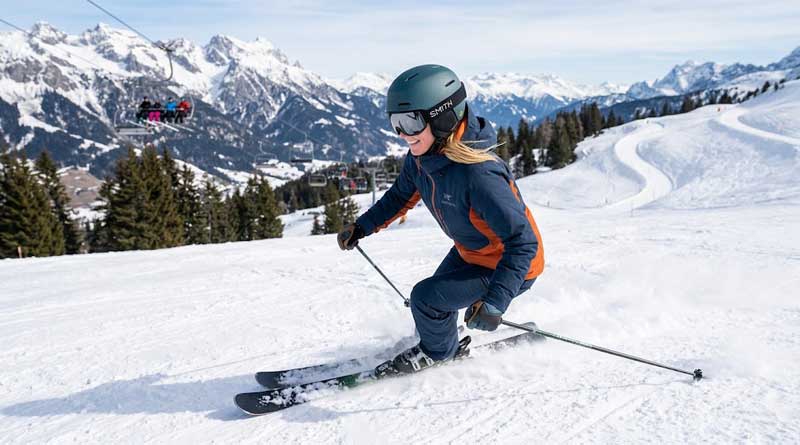
Choosing the right ski helmet is important for safety and comfort on the slopes. Women need helmets that fit well, stay warm, and look good too. This article covers the best ski helmets for women, from budget-friendly picks to premium options with advanced protection. We looked at fit, ventilation, weight, and safety features to help you find the perfect helmet for your next winter adventure.
1. Smith Liberty Mips

- Helmet Construction: Hybrid
- Shell Material: Polycarbonate
- Vents: 20
- Weight: 1 lb. 3 oz.
The Smith Liberty Mips snow helmet is designed for women who want to ride inbounds or off-piste with confidence. It combines a hybrid construction with a durable polycarbonate shell, offering a reliable balance of protection and low weight. With 20 vents, it provides strong airflow to keep your head cool during strenuous laps, while the integrated visor adds extra coverage and style. The Mips system helps reduce rotational forces in certain impacts, making it a smart choice for skiers and snowboarders who prioritize safety without sacrificing comfort.
Fit is a key strength here, with three head circumference ranges covering small through large. At 1 lb. 3 oz., it stays comfortable on long days, and the women-specific design improves overall wearability. The brim is useful for shielding your face from snow and sun. Overall, the Liberty Mips is a well-rounded helmet for female riders seeking a versatile, protective, and ventilated option for mixed resort and backcountry use.
Pros:
- Mips rotational impact protection
- 20 vents for excellent airflow
- Women-specific fit and design
- Integrated visor for added coverage
Cons:
- Heavier than some in-mold helmets
- Polycarbonate shell may feel less premium
- Limited to three sizes
2. OutdoorMaster Kelvin
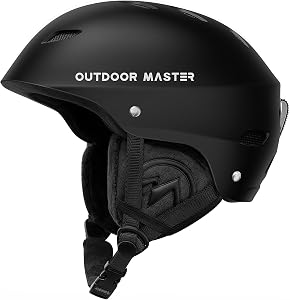
- Shell Material: Reinforced ABS
- Core: Shock-absorbing EPS
- Vents: 14
- Color Options: 22 matte combinations
The OutdoorMaster Kelvin ski helmet focuses on comfort, safety, and affordability. It uses a reinforced ABS shell paired with a shock-absorbing EPS core, giving you solid impact protection for recreational skiing and snowboarding. The adjustable size dial makes it easy to dial in a secure fit, while the removable ear pads and inner fleece liner simplify washing and keep you warm. With 22 matte color options, it stands out for personalization more than most helmets in its price range.
Ventilation is handled by 14 individual vents, which help manage heat on warmer days and reduce goggle fogging. The helmet is designed for comfort over long sessions, and the included customer service adds peace of mind. It is not the lightest or most advanced helmet on the market, but it delivers dependable everyday performance for beginners and casual riders who want a budget-friendly, customizable option.
Pros:
- Very affordable
- 22 color choices
- Adjustable dial fit system
- Removable and washable liner
Cons:
- No Mips or similar rotational protection
- ABS construction is heavier
- Basic ventilation compared to premium models
3. Giro Ledge Mips

- Helmet Construction: Hybrid
- Shell Material: ABS
- Head Circumference: S to XL
- Visor/Brim: No
The Giro Ledge Mips is a minimalist hard-shell snow helmet aimed at park riders and everyday resort skiers. It features multidirectional Mips protection and a seamless fit system, giving you advanced safety tech in a clean, understated package. The hybrid construction with an ABS shell is built to take a beating, making it a good match for freestyle riding and regular use. With four size options from small to XL, it can accommodate a wide range of head sizes.
This helmet does not include a visor or brim, so it has a more streamlined look that pairs well with goggles. The ABS shell adds durability but also a bit of weight, and ventilation is not as extensive as higher-end models. Still, the Ledge Mips is a solid choice for riders who want reliable protection, a secure fit, and a no-frills design that works across the mountain.
Pros:
- Mips rotational protection
- Durable ABS hard-shell construction
- Four sizes including XL
- Clean minimalist design
Cons:
- No visor or brim
- Heavier than in-mold helmets
- Limited ventilation features
4. Smith Vantage 2 Mips

- Helmet Construction: Hybrid
- Shell Material: Polycarbonate
- Vents: 40
- Weight: 1 lb. 3.4 oz.
The Smith Vantage 2 Mips is a high-performance snow helmet built for riders who want lightweight comfort and advanced safety tech. Its hybrid construction and polycarbonate shell keep weight low while maintaining durability, and the 40 vents deliver exceptional airflow for storm days and bluebird laps alike. The visor adds practical coverage, and the Mips system provides rotational impact protection. With four sizes including XL, it fits a broad range of adults.
At 1 lb. 3.4 oz., it remains comfortable for all-day use, and the extensive ventilation helps regulate temperature during intense riding. The Vantage 2 Mips is aimed at experienced skiers and snowboarders who prioritize breathability, fit, and protection. It costs more than entry-level helmets, but the combination of venting, low weight, and safety features makes it a strong investment for dedicated mountain users.
Pros:
- 40 vents for outstanding ventilation
- Mips rotational protection
- Lightweight hybrid construction
- Four sizes including XL
Cons:
- Premium price
- Visor may not suit all goggle setups
- Polycarbonate shell less impact-resistant than ABS in some cases
5. Odoland Ski Helmet

- Certification: ASTM certified
- Shell: PC outer and EPS inner
- Vents: 14
- Extras: Detachable goggles and carry bag
The Odoland Ski Helmet is a complete set that includes detachable goggles, making it a convenient option for beginners and casual snow sports enthusiasts. It uses a PC outer shell and EPS inner shell for comfort and shock absorption, and the ASTM certification provides reliable head protection. The 14 air vent holes support ventilation, while the goggles use Flow-Tech venting to reduce fogging and improve airflow inside the lens.
The helmet features a detachable lining, removable earmuffs, and a soft chin band for warmth, plus an easy-adjustable band for a personalized fit. It is lightweight and designed to reduce pressure during use, and the bonus carry bag adds portability. This set is ideal for skiing, skating, snowboarding, and other winter activities, though advanced riders may want more premium materials and finer fit adjustments.
Pros:
- Includes detachable goggles
- ASTM certified protection
- Removable liner and earmuffs
- Carry bag included
Cons:
- Goggles may not match premium optics
- Fit system less refined than high-end helmets
- 14 vents adequate but not exceptional
6. OutdoorMaster Kelvin II

- Shell: ABS outer with EPS foam
- Vents: 14
- Fit: Adjustable dial
- Sizes: S, M, L
The OutdoorMaster Kelvin II is an updated ski helmet designed to pair seamlessly with OutdoorMaster goggles for a cohesive fit. It uses a fully formed ABS outer shell with high-quality EPS foam to ensure safety on impact, making it a dependable choice for skiing, skating, and snowboarding. The 14 air vent holes work together to provide effective ventilation while shielding you from freezing winds, and the adjustable dial lets you customize the fit quickly.
Comfort features include a detachable lining, earmuffs, and a soft chin band for cozy warmth. The helmet is lightweight and user-friendly, helping relieve head pressure during long sessions. Sizing ranges from small to large based on head circumference, and the overall design targets winter enthusiasts who want a reliable, breathable helmet at a reasonable price. It lacks advanced rotational protection, but it covers the essentials well.
Pros:
- Good ventilation with 14 vents
- Adjustable dial fit system
- Detachable liner and earmuffs
- Lightweight and comfortable
Cons:
- No Mips or equivalent technology
- ABS shell adds some weight
- Sizing may run differently than expected
7. Smith Rodeo Mips

- Helmet Construction: In-mold
- Shell Material: ABS (50% recycled content)
- Vents: 10
- Weight: 1 lb. 3.4 oz.
The Smith Rodeo Mips snow helmet blends clean modern style with solid safety and comfort technology for all-day use. Its in-mold construction and ABS shell with 50% recycled content make it a more environmentally conscious choice, while the Mips system adds rotational impact protection. With 10 vents, it offers moderate airflow suitable for resort riding in varied conditions. The helmet is available in four sizes including XL, fitting a wide range of adults.
At 1 lb. 3.4 oz., it stays comfortable for long days, and the no-visor design keeps the look streamlined and goggle-friendly. The Rodeo Mips is aimed at riders who explore in and out of bounds and want a balance of safety, style, and sustainability. It does not have the extensive venting of premium models, but it delivers dependable performance and a lower-profile profile for everyday mountain use.
Pros:
- Mips rotational protection
- ABS shell with recycled content
- Lightweight in-mold construction
- Four sizes including XL
Cons:
- Only 10 vents
- No visor or brim
- ABS shell may be less durable than some hard-shell options
8. Findway Ski Helmet
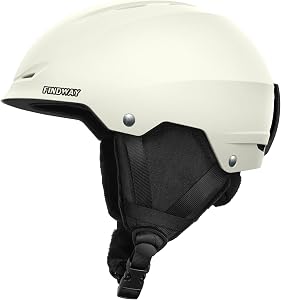
- Certification: ASTM F2040 and EN1077
- Construction: In-mold ABS and EPS
- Vents: 8
- Fit: Adjustable dial knob
The Findway Ski Helmet is built with advanced manufacturing techniques that fuse an outer ABS shell to an inner EPS foam, creating an in-mold construction designed to absorb shock from impacts. It meets ASTM F2040 and EN1077 standards, providing reliable protection for skiing and snowboarding. The adjustable size dial knob helps you achieve a perfect fit, and the ear pad and lining are detachable for easy cleaning when not in use.
With 8 individual vents, the helmet keeps your head ventilated and dry while helping prevent goggle fogging. The ergonomic design, lightweight build, and accommodation for different goggles and head shapes make it a versatile option for men, women, and youth. It is durable and built to last, though the 8 vents are fewer than many competitors, so it may run warmer on intense days.
Pros:
- Meets ASTM and EN safety standards
- In-mold construction for shock absorption
- Adjustable dial fit and detachable liner
- Lightweight and ergonomic
Cons:
- Only 8 vents
- No Mips or rotational protection
- Limited color and size options
9. Retrospec Comstock

- Shell: ABS with EPS foam
- Vents: 10
- Fit: ErgoKnob dial and straps
- Sizes: S, M, L
The Retrospec Comstock ski helmet combines safety and comfort for both skiing and snowboarding. Its ABS shell and EPS shock-absorbing foam provide lightweight yet robust protection, while the moisture-wicking netted mesh cap and 10 vents deliver optimal airflow and ventilation. The convertible design includes fleece-lined ear muffs for frigid conditions that are easily detachable for milder weather, plus a glove-friendly goggle clip to secure your goggles.
The ErgoKnob dial and straps allow swift adjustments for a personalized and comfortable fit throughout the day. Sizing is based on head circumference from small to large, making it suitable for adults and youth. The Comstock is a practical, budget-friendly choice for riders who want a versatile helmet that adapts to changing weather and works across different winter sports.
Pros:
- Convertible ear muffs for varied weather
- 10 vents with moisture-wicking mesh cap
- ErgoKnob dial for quick fit adjustments
- Glove-friendly goggle clip
Cons:
- No Mips or rotational protection
- ABS shell is relatively heavy
- Ventilation is moderate
10. RIOROO Ski Helmet

- Shell: Reinforced ABS with EPS core
- Vents: 12
- Certification: CE EN 1007 and ASTM F2040-18
- Fit: Adjustable size dial
The RIOROO Ski Helmet provides superior protection during skiing and snowboarding with a reinforced ABS shell and shock-absorbing EPS core. It is certified to CE EN 1007 and ASTM F2040-18 safety standards, ensuring reliable head protection so you can focus on enjoying the slopes. The thermal liner and ear pads keep your head warm and cozy all day, and both are removable for easy cleaning. The size adjustment dial lets you tighten or loosen the fit quickly for adults, men, women, and teens.
The helmet features 12 individual vents that keep your head ventilated and dry while improving airflow through your goggles to help prevent fogging. It is suitable for skiing, snowboarding, skating, sledding, and snowmobiling. Overall, the RIOROO offers a strong balance of safety certification, comfort, and adjustability at an accessible price point, though it lacks advanced rotational impact technology.
Pros:
- CE and ASTM certified
- 12 vents for good airflow
- Removable thermal liner and ear pads
- Adjustable dial for a secure fit
Cons:
- No Mips or similar technology
- ABS shell adds weight
- Fit may not suit all head shapes
How to Choose Ski Helmets for Women
Choosing a ski helmet is one of the most important gear decisions you will make as a snow sports enthusiast. A helmet protects your head from impact, keeps you warm, and can make or break your comfort on the mountain. For women, finding the right helmet involves more than just picking a color you like. It requires understanding fit, safety technology, ventilation, weight, and the specific features that make a helmet work well for a woman’s head shape and riding style. This guide will walk you through everything you need to know to choose the best ski helmet for women.
Why Women Need a Specific Ski Helmet
Many helmet manufacturers design women’s helmets with slightly different shapes and features compared to unisex or men’s models. While some women can comfortably wear unisex helmets, others find that women-specific designs provide a better fit. Women’s helmets often have a narrower and more rounded shape, which can reduce pressure points and improve overall comfort. They may also include features like ponytail compatibility, softer interior fabrics, and lighter weights that appeal to female riders.
It is important to note that fit is more important than gender labeling. If a unisex helmet fits you perfectly and meets your safety needs, there is no reason to avoid it. However, if you find that unisex helmets feel too wide, too long, or create pressure on your forehead, a women-specific model may be the better choice.
Understanding Helmet Safety Standards
Before you look at colors, vents, or weight, you need to make sure the helmet meets recognized safety standards. In the United States, ski and snowboard helmets should meet ASTM F2040. In Europe, they should meet EN 1077. These standards test helmets for impact absorption, penetration resistance, and retention system strength.
Some helmets also include Mips, which stands for Multi-directional Impact Protection System. Mips is a low-friction layer inside the helmet that allows the head to slide slightly relative to the shell during certain angled impacts. This can reduce rotational forces that may contribute to brain injury. Mips is not required, but it is a valuable addition for riders who want extra protection.
Other safety technologies include Koroyd, which uses tubular structures to absorb energy, and WaveCel, which uses a collapsible cellular layer. These technologies are found in higher-end helmets and can provide additional protection beyond standard certification.
Helmet Construction Types
Ski helmets are generally made using one of two construction methods: in-mold or hard-shell. Understanding the difference can help you choose a helmet that matches your priorities.
In-Mold Construction
In-mold helmets fuse the outer polycarbonate shell directly to the EPS foam liner during manufacturing. This creates a lightweight, low-profile helmet with good ventilation. In-mold helmets are often more expensive, but they are lighter and cooler than hard-shell models. They are a great choice for riders who prioritize comfort and breathability.
Hard-Shell Construction
Hard-shell helmets use a separate ABS or polycarbonate shell that is bonded to the EPS foam liner. This construction is more durable and can withstand more abuse, making it popular among park riders and beginners who may drop or bang their helmet. Hard-shell helmets are typically heavier and may not vent as well as in-mold models, but they are often more affordable.
Hybrid Construction
Hybrid helmets combine in-mold and hard-shell construction. They often use in-mold for the top of the helmet to save weight and hard-shell for the sides and back to add durability. Hybrid helmets aim to offer the best of both worlds, though they can be more expensive.
Getting the Right Fit
Fit is the single most important factor when choosing a ski helmet. A helmet that does not fit properly will not protect you as well, and it may be uncomfortable enough to distract you on the slopes. Here is how to get the right fit.
Measuring Your Head
Use a soft measuring tape to measure the circumference of your head. Wrap the tape around your head about one inch above your eyebrows and just above your ears. Make sure the tape is level all the way around. Write down the measurement in centimeters or inches.
Compare your measurement to the manufacturer’s sizing chart. Most helmets come in small, medium, large, and sometimes extra-large. If you are between sizes, it is usually better to size up, especially if you plan to wear a thin beanie or balaclava under your helmet.
Checking the Fit
Once you have the helmet on your head, check the following:
- The helmet should sit level on your head, not tilted back or pushed forward.
- The front of the helmet should come down to about one inch above your eyebrows.
- The helmet should feel snug but not painfully tight. It should not move when you shake your head.
- The back of the helmet should cover the base of your skull without pressing into your neck.
- The chin strap should be snug enough to keep the helmet in place but not so tight that it is uncomfortable.
If you feel pressure points on your forehead, temples, or the back of your head, the helmet shape may not match your head shape. Try a different brand or model. Many women find that helmets with a rounder, more oval shape fit better than those with a long, narrow shape.
Adjustable Fit Systems
Most modern ski helmets include an adjustable fit system, usually a dial at the back of the helmet. This allows you to fine-tune the fit for a secure and comfortable feel. Some helmets also offer adjustable height settings for the fit system, which can help accommodate different head shapes and hairstyles.
Ventilation and Temperature Control
Skiing and snowboarding can be physically demanding, and you will generate heat as you ride. A helmet with good ventilation helps regulate your temperature and prevents overheating. At the same time, you need protection from cold wind and snow on frigid days.
Look for a helmet with adjustable vents. These allow you to open the vents on warmer days or during intense activity, and close them when it is cold or when you are riding the lift. Fixed vents are simpler but less versatile. The number of vents is not as important as how well they are designed and whether they can be adjusted.
Some helmets also feature ventilation channels that direct air over the top of your head and out the back. This can improve airflow and reduce goggle fogging. If you wear goggles, make sure the helmet and goggles work together to create a seamless seal that keeps cold air out and warm air moving away from your face.
Weight and Comfort
Helmet weight matters more than many people realize. A heavy helmet can cause neck fatigue over a long day, especially if you are riding aggressively or spending hours on the mountain. Lighter helmets are generally more comfortable, but they may cost more.
In-mold helmets are typically the lightest option. Hard-shell helmets are heavier. If you are looking for a balance of weight and durability, a hybrid helmet may be a good choice. Try on several helmets and pay attention to how they feel after a few minutes. A helmet that feels fine at first may become uncomfortable after an hour.
Interior padding also affects comfort. Look for helmets with soft, moisture-wicking liners that can be removed and washed. Removable ear pads are another useful feature, as they allow you to customize warmth and clean the helmet more easily.
Goggles and Helmet Compatibility
Your helmet and goggles should work together as a system. A gap between the helmet and goggles can let cold air in and cause goggle fogging. Many helmet brands design their helmets to integrate with their own goggles, creating a seamless fit.
When trying on a helmet, bring your goggles with you if possible. Put the helmet on first, then the goggles. The goggles should sit comfortably against your face without pressing into your nose or forehead. The top of the goggles should fit snugly against the helmet brim or front edge. If there is a large gap, consider a different helmet or goggle combination.
Some helmets include a brim or visor that can help shield your eyes from snow and sun. This can be useful, but it can also interfere with some goggles. If you prefer a visor, make sure it does not block your field of view or prevent your goggles from fitting properly.
Women-Specific Features to Consider
While fit and safety are the most important factors, some features are particularly appealing to women. These include:
- Ponytail compatibility: Some helmets have a cutout or adjustable fit system that accommodates a ponytail without creating pressure.
- Lighter weight: Women’s helmets are often designed to be lighter, which can reduce neck strain.
- Softer interior fabrics: Some women prefer helmets with plush, soft liners for added comfort.
- Smaller size ranges: Women’s helmets may offer smaller sizes that fit better than unisex options.
- Color and style: Many women’s helmets come in a wider range of colors and designs. While this does not affect performance, it can make gear more enjoyable to wear.
Budget and Value
Ski helmets range in price from around fifty dollars to several hundred dollars. More expensive helmets typically offer lighter weight, better ventilation, advanced safety technologies like Mips, and higher-quality materials. However, a budget helmet that meets safety standards and fits well can still provide excellent protection.
When setting your budget, consider how often you ski or snowboard and what features matter most to you. If you ride frequently, investing in a lighter, better-ventilated helmet may be worth the extra cost. If you are a casual rider, a mid-range helmet with a good fit and basic features may be all you need.
Comparison Table: Key Features to Look For
| Feature | Why It Matters | What to Look For |
|---|---|---|
| Safety Certification | Ensures helmet meets minimum impact standards | ASTM F2040 or EN 1077 |
| Mips or Similar Technology | Reduces rotational forces in angled impacts | Mips, Koroyd, or WaveCel |
| Construction | Affects weight, durability, and ventilation | In-mold for light weight, hard-shell for durability |
| Fit System | Provides secure, adjustable fit | Dial adjuster, adjustable height, chin strap |
| Ventilation | Regulates temperature and reduces fogging | Adjustable vents, airflow channels |
| Weight | Affects comfort and neck fatigue | Lighter is generally better for long days |
| Goggle Compatibility | Prevents gaps and fogging | Seamless fit with your goggles |
| Removable Liner and Ear Pads | Improves hygiene and customizes warmth | Washable, detachable components |
How to Try On a Helmet
Whenever possible, try on a helmet in person before buying. Here is a step-by-step process:
- Measure your head and note your size.
- Put on the helmet without any hat or beanie first.
- Check that the helmet sits level and covers your forehead properly.
- Adjust the dial or fit system until the helmet feels snug and secure.
- Fasten the chin strap and adjust it so it is comfortable but secure.
- Shake your head gently. The helmet should not shift or slide.
- Wear the helmet for at least five to ten minutes to check for pressure points.
- Try on your goggles with the helmet to check compatibility.
- If possible, try a few different brands and models to compare fit.
If you are buying online, check the return policy. Many retailers allow returns within a certain period, but some do not accept returns on helmets for safety reasons. Read the fine print before you buy.
Caring for Your Ski Helmet
Proper care can extend the life of your helmet and keep it comfortable and safe. Here are some tips:
- Clean the interior liner and ear pads according to the manufacturer’s instructions. Most are removable and washable.
- Wipe the exterior shell with a damp cloth and mild soap. Avoid harsh chemicals or solvents.
- Store your helmet in a cool, dry place. Avoid leaving it in a hot car or in direct sunlight for long periods.
- Do not sit on your helmet or use it as a cushion. This can compress the foam and reduce its protective qualities.
- Inspect your helmet regularly for cracks, dents, or other damage. If you see signs of damage, replace the helmet.
- Replace your helmet after a significant impact, even if it looks fine. The foam may be compromised inside.
- Most manufacturers recommend replacing a helmet every three to five years, depending on use and storage conditions.
Common Mistakes to Avoid
Many people make mistakes when choosing a ski helmet. Here are some of the most common ones and how to avoid them:
- Choosing style over fit: A helmet that looks great but does not fit properly will not protect you well and may be uncomfortable.
- Buying a helmet that is too large: A loose helmet can shift during a fall and may not stay in place. It should be snug.
- Ignoring safety standards: Always check that the helmet meets ASTM F2040 or EN 1077.
- Forgetting goggle compatibility: A helmet that does not work with your goggles can cause fogging and discomfort.
- Not trying before buying: If you can, try on the helmet in person. If you buy online, choose a retailer with a good return policy.
- Using a bike helmet for skiing: Bike helmets are not designed for the cold or for ski-specific impacts. Always use a ski helmet.
- Keeping a damaged helmet: If your helmet has been in a crash or shows signs of damage, replace it.
Final Thoughts
Choosing the right ski helmet for women comes down to fit, safety, comfort, and compatibility with your other gear. Start by measuring your head and understanding the safety standards. Decide whether you want in-mold, hard-shell, or hybrid construction. Look for features like Mips, adjustable ventilation, and a dial fit system. Try on several helmets if you can, and always check that your goggles work well with the helmet.
Remember that the best helmet is the one that fits you properly and meets your needs. Do not rush the decision. A good ski helmet will keep you warm, comfortable, and protected so you can focus on enjoying the mountain. Whether you are a beginner or an expert, investing time in choosing the right helmet is an investment in your safety and your overall skiing experience.