
Best Ski Masks & Balaclavas of 2026
Staying warm and protected on the slopes is just as important as having the right skis or jacket. A good ski mask or balaclava keeps your face shielded from cold wind, snow, and sun, so you can focus on enjoying your run. Whether you’re carving down icy trails or exploring backcountry powder, the right face covering makes a big difference. In this guide, we’ve rounded up the best ski masks and balaclavas for comfort, warmth, and breathability in all kinds of winter conditions.
1. BlackStrap The Hood
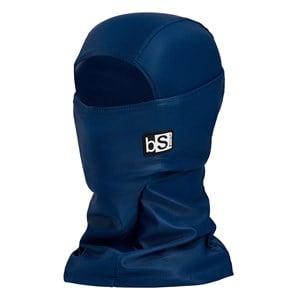
- Material: TREO performance knit (4-way stretch)
- Protection: UPF 50+ (≈98% UV block)
- Fit: Helmet-friendly ergonomic, one size fits most
- Tech: Dri-Flo moisture wicking; ExoHinge mobility
The BlackStrap The Hood is a low-profile balaclava built to move with you. Its TREO knit feels soft next-to-skin while offering four-way stretch, quick-dry performance and an odor-resistant finish. The hinge-free silhouette and ExoHinge design keep the fabric in place during aggressive movement, and the UPF 50+ rating is a useful bonus on sunny spring tours or exposed glacier travel.
It’s versatile enough to wear under a helmet or pulled up for full face coverage against wind and sleet. Because it’s lightweight and breathable, it works across seasons—layer it under a thicker hood for storm days or use it solo on bright, chilly mornings. Overall, The Hood balances protection, comfort, and low bulk for riders and skiers who want reliable coverage without heat buildup.
- Pros: Lightweight, breathable, excellent UV protection
- Cons: Single-layer in places; less warm in extreme cold
2. BlackStrap The Expedition Hood
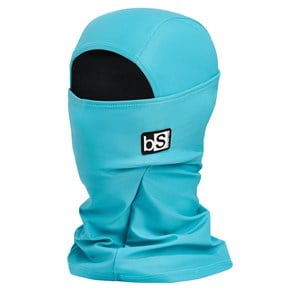
- Material: TREO performance knit, dual-layer in front
- Warmth: Full 360° PERFA wind-rated dual layer lining
- Fit: Helmet-compatible ergonomic fit; one size
- Tech: Dri-Flo wick + ExoHinge for mobility
The Expedition Hood steps up warmth without sacrificing movement. Its dual-layer construction across the face and a wind-rated PERFA lining block biting gusts while the TREO base provides stretch and moisture control. BlackStrap’s Dri-Flo keeps sweat from pooling and the ExoHinge design preserves range of motion, so the extra warmth doesn’t feel bulky or restrictive when you’re layering under a helmet.
This hood excels on blustery days and cold tours where windproofing matters most. It’s designed as a storm-ready option for riders who need full coverage during long laps or windy approaches. If you want a protective midweight face layer that still breathes when you push, the Expedition Hood is a well-balanced choice.
- Pros: Excellent wind protection, comfortable under helmet
- Cons: Slightly thicker—can feel warm on milder days
See the BlackStrap The Expedition Hood
3. Fuinloth Balaclava Ski Mask

- Material: Lightweight stretch synthetic (quick-dry)
- Versatility: Wear as balaclava, gaiter, headband, mask
- Protection: Sun, wind, dust, and sweat management
- Care: Machine washable, wrinkle resistant
The Fuinloth Balaclava is a budget-friendly, highly adaptable face layer for multi-sport use. The fabric is thin and stretchy, making it easy to convert between a full balaclava, neck gaiter, or headband. It breathes well for aerobic pursuits and offers basic sun and wind protection—ideal for cyclists, trail runners, or riders who want a simple, packable option for variable conditions.
Fit is forgiving and unisex, so it suits a wide range of head sizes and works fine under helmets. While it won’t replace insulated or windproof balaclavas in the coldest weather, its quick-dry, washable construction and low price make it a practical staple for warm-to-cool days and dusty, wind-exposed environments.
- Pros: Very versatile, inexpensive, easy care
- Cons: Not warm enough for severe cold; thin material
See the Fuinloth Balaclava Ski Mask
4. Achiou Ski Mask

- Material: Ice silk fabric (lightweight, breathable)
- Ventilation: Air-vent panels for breathability
- Fit: Extreme elasticity; unisex, multiple colors
- Use: Multi-sport—skiing, motorcycling, hiking, cosplay
The Achiou Ski Mask is a lightweight, breathable option focused on ventilation and comfort. Its ice silk fabric is soft against the skin and designed to wick moisture while preventing overheating. The mask’s elastic build and vented panels make it easy to wear for long sessions—whether under a helmet or on its own—and it’s comfortable for activities ranging from cycling to casual winter sports.
Its strength is versatility: you can wear it as a face mask, scarf, or headband, and its stretch keeps the nose coverage in place. While it’s not an insulated or windproof choice for extreme winter storms, it’s a great everyday face layer for mild cold, sun protection, and dusty or windy conditions where breathability matters more than heavy insulation.
- Pros: Very breathable, comfortable fit, affordable
- Cons: Limited warmth in freezing conditions
5. Oyuki Proclava
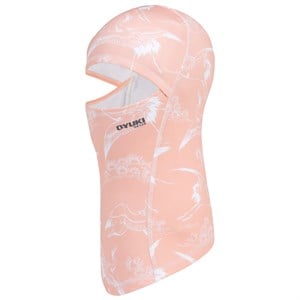
- Material: 85% Polyester / 15% Spandex
- Fit: Low-profile, one size fits most
- Warmth: Medium warmth for wet, cool conditions
- Function: Pull-up design—balaclava to neck gaiter
The Oyuki Proclava blends low bulk with practical warmth, making it a favorite for wet Pacific Northwest-style days. The stretch fabric fits neatly under helmets and goggles and offers a windproof feel that’s slightly warmer than ultralight options. The design isn’t hinged, so you rely on stretch to move coverage up and down, but it does so without bunching or sagging.
On damp, chilly days it performs well—blocking wind and holding warmth without trapping moisture. It’s a sensible upgrade over thin gaiters when you want a bit more protection but still need a slim under-helmet profile. For users who prefer a hinged piece for quick on/off, other models may be preferable, but the Proclava’s fit and comfort win points for daily use.
- Pros: Warm and low-profile, comfortable under helmets
- Cons: Not a hinged design; limited for extreme cold
6. The North Face Freedom
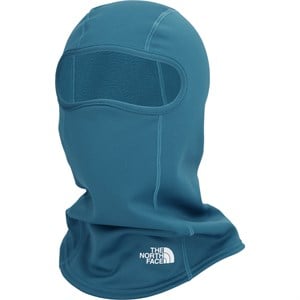
- Material: 93% recycled polyester / 7% elastane fleece
- Comfort: Brushed fleece back for next-to-skin softness
- Fit: Under-helmet fit, low-profile
- Feature: Heat transfer logo, durable construction
The North Face Freedom fleece balaclava is a straightforward insulation piece for brutally cold days. The brushed fleece interior feels cozy against exposed skin and traps warmth efficiently, turning miserable conditions into something tolerable. Its recycled content and clean construction make it a dependable, sustainable choice for riders and skiers prioritizing warmth and comfort.
Designed to pair under helmets, it keeps bulk low while providing consistent insulation across long days. Breathability is decent for a fleece piece, but it’s best used as a mid- to cold-weather layer rather than a ventilated, high-output option. If you need dependable warmth in an easy-to-wear package, the Freedom does the job.
- Pros: Very warm, comfortable fleece feel
- Cons: Less breathable during high-output activities
See the The North Face Freedom
7. Smartwool Merino 250
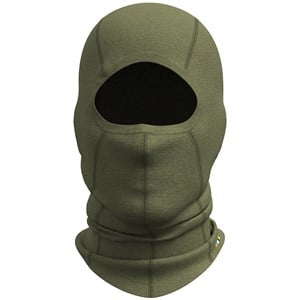
- Material: 100% Merino wool, NTS Mid 250 interlock
- Thermal: Heavier baselayer fabric for cold days
- Construction: Single-layer interlock knit
- Fit: One size fits most; good peripheral vision
The Smartwool NTS Mid 250 balaclava uses 100% merino to combine natural warmth, odor resistance, and moisture management. Merino’s breathability makes this balaclava ideal for cold, active days when you need insulation without clamminess. The interlock knit feels substantial but remains soft and comfortable against the face while wicking sweat away during sustained effort.
It’s a solid choice for alpine missions or winter travel where natural-fiber comfort and odor control matter. The single-layer design keeps bulk low so it integrates cleanly under helmets. Expect excellent temperature regulation during long outings, though the merino fabric requires a bit more care than synthetics if you want it to stay looking and fitting its best.
- Pros: Natural warmth, excellent moisture control
- Cons: Higher price; needs gentler washing
8. The North Face Base
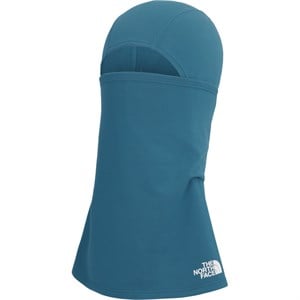
- Material: 88% recycled polyester / 12% elastane with FLASHDRY™
- Design: Hinged construction for adjustability
- Protection: UPF 40+ on covered areas; double-layer front
- Fit: Helmet and goggle compatible; reflective logo
The North Face Base Balaclava is a versatile, performance-oriented face layer built around FLASHDRY™ moisture management and a hinged design. The hinged construction allows quick adjustment between full coverage and a neck gaiter, which is handy on variable days. Double-layering in the front adds protection where you need it while keeping the overall piece breathable for active use.
It’s a dependable option for backcountry tours and resort laps alike—light enough to breathe during climbs and protective enough for chilly descents. The recycled fabric and helmet compatibility make it an easy pick for riders who value a functional, adaptable layer that performs across a range of mountain conditions.
- Pros: Adjustable hinged fit, good moisture control
- Cons: UPF only on covered parts; may feel thin for deep cold
9. BlackStrap The Team Hood
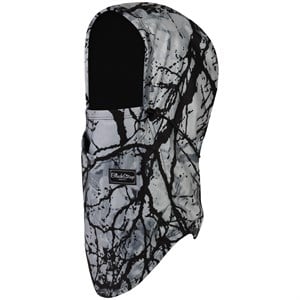
- Material: TREO performance knit with Dri-Flo
- Warmth: Full 360° PERFA wind-rated dual layer lining
- Fit: Over-or-under-helmet compatible; ergonomic
- Protection: UPF 50+ and odor-resistant finish
The Team Hood is BlackStrap’s rider-focused balaclava that blends sun protection, breathability, and team-ready styling. TREO fabric provides a soft, stretchy base while the PERFA lining shields against wind. Dri-Flo helps manage perspiration and the UPF 50+ rating protects skin during long, exposed days. Its look is sporty and it fits well over or under helmets.
This hood is a solid all-rounder for riders wanting a dependable face layer that handles sweat, sun and wind without fuss. It’s especially useful for multi-day outings or team sessions where consistent comfort and low odor are priorities. If you need a durable, versatile hood with good protection features, the Team Hood performs admirably.
- Pros: Versatile fit, great UV and wind protection
- Cons: Can be warm in mild conditions
See the BlackStrap The Team Hood
10. Burton Cora Hood
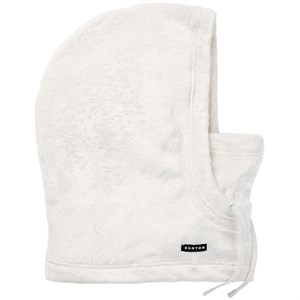
- Material: 100% recycled polyester
- Insulation: DRYRIDE THERMEX™ fleece
- Fit Options: Regular and over-helmet sizing
- Construction: Chafe-free Softlock seams
The Burton Cora Hood is a simple yet highly effective piece of cold-weather protection designed for long days on the mountain. Built from 100% recycled polyester, it delivers dependable warmth while staying lightweight and breathable. The DRYRIDE Thermex fleece does an excellent job of trapping heat without feeling bulky, and it actively moves moisture away from the skin to prevent that clammy feeling during high-output riding.
Comfort is where the Cora Hood really shines. Softlock seams eliminate pressure points and rubbing, making it easy to wear all day without irritation. The drawstring closure allows quick adjustment when weather conditions change, helping seal out cold wind on exposed chairlifts. Available in both regular and over-helmet sizing, it suits a wide range of riders and layering preferences. While the design is straightforward, it’s clearly built with performance and comfort in mind.
- Pros: Warm and breathable fleece, very comfortable seams, eco-friendly materials
- Cons: Minimal style features, Proposition 65 warning may concern some buyers
How to Choose Ski Masks & Balaclavas

Ski masks and balaclavas are essential pieces of gear for anyone hitting the slopes, riding a snowmobile, or spending extended time in frigid conditions. They offer vital protection against windburn, frostbite, and general discomfort from cold weather, covering the exposed skin of the face, neck, and sometimes the shoulders. However, the world of cold-weather face protection is vast, offering countless styles, materials, and features. Choosing the right one is crucial for comfort and safety. This comprehensive guide will walk you through the key considerations, helping you select the perfect ski mask or balaclava for your specific needs.
Understanding the Difference: Ski Mask vs. Balaclava
While often used interchangeably, the terms “ski mask” and “balaclava” generally refer to the same type of cold-weather headwear, though some minor distinctions exist, often based on design or coverage area. Historically, a balaclava is a form-fitting head garment that covers the whole head and neck, with openings for only the eyes or sometimes the eyes and mouth. The term originated during the Crimean War, named after the town of Balaclava, where British troops were sent hand-knitted headgear for protection from the cold. A ski mask is a more modern, common term for the same item, especially those designed for winter sports. They typically feature an opening that can be positioned to expose the full face, just the eyes, or the eyes and nose/mouth, offering versatile protection. For practical purposes, when shopping, you will find both terms used to describe the same category of products.
Key Factors in Selection
The selection process for a ski mask or balaclava should focus on the specific environment, activity level, and personal comfort preferences.
Material Matters: Breathability and Warmth
The material is arguably the most important factor, directly impacting warmth, breathability, and moisture management.
- Wool (Merino Wool): Highly prized for its excellent warmth-to-weight ratio, natural moisture-wicking properties, and odor resistance. Merino wool is soft and less itchy than traditional wool. It performs well in a wide range of temperatures and is an excellent choice for extended trips.
- Synthetic Fabrics (Polyester, Fleece, Acrylic): The most common and often cost-effective choice. They excel at wicking moisture and drying quickly. Fleece is exceptionally warm but can be bulky. Polyester blends offer a good balance of warmth and breathability, ideal for high-exertion activities.
- Silk: Primarily used as a lightweight liner. Silk is soft, comfortable against the skin, and adds a thin layer of insulation without significant bulk.
- Blends: Many high-performance balaclavas use a blend of synthetic and natural fibers to combine the best features, such as the warmth of wool with the quick-drying nature of polyester.
Note on Weight: Materials come in different weights (lightweight, midweight, heavyweight). Choose the weight based on the expected temperatures and your activity level. Lightweight is better for high-intensity sports or milder cold; heavyweight is for extreme cold or low-exertion activities.
Fit and Coverage: Finding the Right Shape
A proper fit is essential for both comfort and effectiveness. A poorly fitting balaclava can be drafty or, conversely, too tight and restrictive.
- Form-Fitting: Most balaclavas should fit snugly to your head without being uncomfortably tight, ensuring they can be worn easily under a ski helmet. A loose fit will allow cold air in and may bunch up under outerwear.
- Neck Coverage: Ensure the neck portion (dickey) extends far enough down to tuck into your jacket collar comfortably, preventing cold air from entering at the neck. Some designs include an extended bib that covers the chest and shoulders for maximum protection.
- Seams: Look for flatlock stitching, which minimizes rubbing and irritation, especially when worn under a helmet for long periods.
- Sizing: Most models come in S/M and L/XL or “One Size Fits Most.” If possible, try it on with your helmet to check for pressure points.
Ventilation and Breathability: The Fogging Factor
When you’re active, your face releases moisture, and when that warm, moist air hits a cold surface (like your goggles), it creates fog. Effective ventilation is key to preventing this.
- Mesh Breathing Panels: Many ski masks incorporate mesh or thinner material panels over the nose and mouth. These panels allow breath to escape more easily and direct it away from goggles, significantly reducing fogging.
- Hinged Designs: Some balaclavas feature a “hinged” design, allowing the user to pull the lower face covering down to the chin without removing the whole garment. This is ideal for quickly regulating temperature or when taking a break.
Types of Balaclavas and Ski Masks
Ski masks and balaclavas come in various styles, each offering different levels of versatility and protection.
Full Balaclava
The traditional design, covering the entire head and neck, with a single opening for the eyes. This is the warmest option and provides maximum protection against the elements. Ideal for very cold conditions or low-intensity activities.
Hinged Balaclava
Features a movable piece of fabric covering the nose, mouth, and cheeks. This piece can be pulled down to the chin (like a neck gaiter) or up over the face for full coverage. This is the most versatile style, allowing easy temperature regulation without removing your helmet or goggles. Excellent for dynamic activities like skiing or snowboarding.
Convertible Balaclava
Similar to the hinged design but often allows for more configuration. It can typically be worn as a full balaclava, a neck gaiter, an open-face mask, or even a beanie, offering maximum adaptability for varying weather and activity levels.
Neck Gaiter/Tube Mask
While not a traditional balaclava, a neck gaiter is a cylindrical piece of fabric worn around the neck that can be pulled up over the nose and mouth. It offers less coverage than a true balaclava but is the simplest and easiest to use, often paired with a separate beanie or helmet liner.
Usage Tips and Best Practices
Helmet Compatibility
Always ensure your chosen face protection fits smoothly and comfortably under your ski or snowboard helmet. It shouldn’t create uncomfortable pressure points, which can lead to headaches or pain over time. If the balaclava is too thick, it may also compromise the helmet’s fit, reducing its safety effectiveness.
Layering with Goggles
The balaclava should sit flat against your face without interfering with the foam seal of your goggles. If the material bunches up under the goggles, it can allow cold air in and increase the likelihood of fogging. The top edge of the mask should meet the bottom edge of the goggle frame seamlessly.
Washing and Care
Due to the accumulation of sweat, breath moisture, and skin oils, ski masks and balaclavas need regular washing. Always follow the manufacturer’s care instructions, especially for wool or specialty fabrics, which often require cold water and air drying to maintain their shape and performance features.
By carefully considering material, fit, ventilation, and style based on your expected use, you can select a ski mask or balaclava that will keep you warm, dry, and comfortable, allowing you to fully enjoy your time in the winter outdoors.