Best Ski Waxes of 2025
Keeping your skis fast and smooth on the slopes starts with using the right ski wax. Whether you’re racing down icy runs or cruising through fresh powder, ski wax helps your skis glide better, turn easier, and last longer. The right wax can make a big difference in performance and fun. In this guide, we’ve rounded up the best ski waxes for all snow conditions and skill levels, so you can enjoy smoother rides and get the most out of every trip to the mountains.
1. SWIX U180 Universal Wax
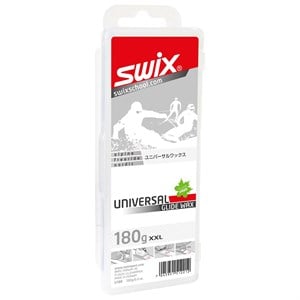
- Temperature Range: All Temperatures
- Features: Fluor-free and biodegradable
- Iron Temperature: 130˚C (266˚F)
- Application: Iron on, scrape, and brush
The SWIX U180 Universal Wax is designed to take the guesswork out of waxing. Whether you’re skiing in fresh powder or icy conditions, this all-temperature wax delivers consistent glide. It’s perfect for skiers who want a simple, dependable wax without worrying about specific temperature ranges or complicated formulas. The fluor-free and biodegradable composition makes it an eco-conscious choice for mountain enthusiasts.
Its easy application process—just iron, scrape, and brush—ensures quick setup and lasting results. Ideal for both beginners and experienced skiers, the U180 helps you maintain smooth speed on any slope. It’s versatile, effective, and built to perform in every snow condition, making it a reliable addition to your winter gear kit.
- Pros: Easy to use, works in all conditions, eco-friendly, long-lasting performance
- Cons: Not as specialized as temperature-specific waxes
2. North Glidewax Universal 180g
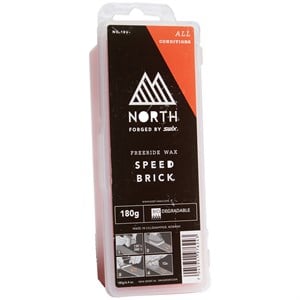
- Temperature Range: All Temperatures
- Features: Biodegradable and fluor-free
- Application: Iron on, scrape thin, and brush
- Origin: Developed by SWIX for freeride and backcountry use
The North Glidewax Universal 180g combines simplicity and performance in one eco-friendly package. Designed by SWIX, it caters to freeride and backcountry enthusiasts who need a durable, long-lasting wax for varying snow conditions. This all-temperature formula ensures excellent glide, even in unpredictable mountain weather.
It’s easy to apply—just iron, scrape, and brush—and provides a smooth, fast base that keeps you moving all day. The biodegradable formula reflects a commitment to sustainability, while its reliable performance ensures you won’t compromise on speed or control. Ideal for riders who value both performance and planet-friendly materials.
- Pros: Long-lasting, eco-friendly, easy application, smooth glide
- Cons: Slightly higher price than basic waxes
See the North Glidewax Universal 180g
3. Swix Biodegradable UR8 Wax
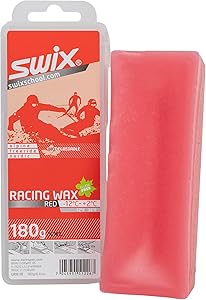
- Temperature Range: 14°F to 36°F
- Formula: Biodegradable, eco-friendly design
- Application: Iron-on for best results
- Use: Suitable for all skis and snowboards
The Swix UR8 Biodegradable Wax blends sustainability with top-tier performance. Its eco-friendly formula minimizes environmental impact while delivering the smooth glide Swix is known for. This wax performs best in moderate conditions, making it ideal for everyday skiing and riding. It’s perfect for those who want reliable glide and speed without using harmful chemicals.
Applying it is straightforward—iron it on, scrape, and brush for an even finish. Whether you’re on groomed runs or backcountry trails, it ensures excellent glide and reduced friction. Swix designed the UR8 for skiers who care about both performance and the planet, offering a high-quality wax that performs as responsibly as it rides.
- Pros: Eco-friendly, easy to apply, smooth glide, great in moderate temps
- Cons: Not ideal for extremely cold or warm snow
See the Swix Biodegradable UR8 Wax
4. IGOSKI Ski/Snowboard Wax

- Temperature Range: All Temperatures
- Type: Non-fluoro universal wax
- Application: Iron on for best results
- Use: Suitable for skis and snowboards
The IGOSKI Universal Ski/Snowboard Wax is your all-around solution for unpredictable conditions. Whether you’re carving through soft powder or tackling icy slopes, this wax provides dependable glide. It’s designed for both beginners and experienced riders who prefer one wax that works across all temperature ranges and snow types.
Easy to apply with a wax iron, it ensures a smooth, consistent base every time. The non-fluoro formula is safer for you and the environment while maintaining reliable performance. Perfect for skiers and snowboarders who value convenience, IGOSKI wax helps you spend less time prepping and more time riding.
- Pros: Works in all conditions, non-toxic, affordable, simple to use
- Cons: Slightly less durable in extreme temperatures
See the IGOSKI Ski/Snowboard Wax
5. Demon Hyper Ski and Snowboard Wax

- Weight: 1.06 lb big block
- Formula: Proprietary PFAS-free blend
- Temperature Range: Universal, all seasons
- Origin: Made in Southern California, USA
The Demon Hyper Ski and Snowboard Wax offers pro-level speed and durability in a large block designed for season-long use. Developed in Southern California, this wax has built a reputation for unmatched glide across any snow condition. It’s formulated without PFAS, ensuring safe, high-performance waxing for both recreational and competitive riders.
Its universal formula works in all weather, from slushy spring snow to mid-winter ice. With a pleasant scent and smooth consistency, it’s easy to apply and provides lasting results. If you want a fast, reliable wax that performs in any condition, Demon Hyper delivers both speed and quality every time you ride.
- Pros: Fast performance, long-lasting, large quantity, made in the USA
- Cons: Slightly more expensive upfront
See the Demon Hyper Ski and Snowboard Wax
6. Hertel Super HotSauce All Temperature Wax

- Temperature Range: 6°F to 52°F
- Longevity: Lasts up to three days per ounce
- Formula: Non-toxic, additive-free
- Use: Suitable for skis and snowboards
Hertel’s Super HotSauce Wax has been trusted by skiers and riders since 1972 for its versatility and durability. Designed to perform in all conditions, it gives you smooth, controlled rides while reducing fatigue. Just one ounce of wax keeps you gliding for up to three full days, making it an excellent choice for longer trips.
The non-toxic formula delivers fast, stable performance without harmful additives. Its wide temperature range ensures reliable speed and control in changing snow conditions. Backed by decades of innovation and Olympic success, Hertel continues to set the standard for universal ski and snowboard waxes.
- Pros: Long-lasting, works in any condition, easy to apply, eco-safe
- Cons: Slightly softer than some performance waxes
See the Hertel Super HotSauce All Temperature Wax
7. ZUMWax Rub-On Universal Wax

- Weight: 70g
- Type: Rub-on universal wax
- Formula: PTFE-free, eco-friendly
- Origin: Made in Washington, USA
The ZUMWax Rub-On Universal Wax is perfect for quick touch-ups or on-hill applications. Its easy rub-on and buff method requires no iron, making it ideal for riders who prefer fast, mess-free waxing. The formula is PTFE-free and hand-poured in Washington for consistent, high-quality performance across all snow types.
This wax enhances glide, speed, and control while being safe for you and the environment. Its 70g size lasts several days, and the subtle vanilla scent adds a refreshing touch. Perfect for skiers and snowboarders who want fast results and lasting performance on every run.
- Pros: Convenient application, portable, eco-friendly, great glide
- Cons: Doesn’t last as long as iron-on waxes
See the ZUMWax Rub-On Universal Wax
How to Choose Ski Waxes
Choosing the right ski wax makes a bigger difference than many skiers expect. The correct wax improves glide, control, and enjoyment while reducing effort and wear on your skis or snowboard. This guide explains the key factors to consider—snow temperature, snow type, wax types, structure, application methods, and practical tips—so you can pick wax that matches the conditions and your riding style.
Why wax matters
Ski bases glide on a thin layer of water created by pressure and friction. Wax tunes how that micro-film forms and how your skis interact with the snow. The right wax reduces drag, prevents sticking in wet snow, and maintains predictable handling. The wrong wax can make skis feel slow, sticky, or noisy, and can even increase base wear over time.
Understand snow temperature and conditions
Snow conditions are the most important factor when picking a wax. Temperatures near and below freezing behave differently than warm, wet snow. Match wax to the air or snow temperature rather than personal preference.
Cold, dry snow
When temperatures are well below freezing, snow crystals are sharp and dry. Cold-weather waxes are harder and designed to reduce friction against those sharp crystals. They often have lower fluorocarbon content (or none) and are formulated for temperatures usually below -5°C (23°F).
Temperate or variable snow
Between about -5°C and 0°C (23–32°F), snow tends to be variable—sometimes crusty, sometimes wet. Mid-range, universal, or “all-temp” waxes are made to handle these shifting conditions. They are a solid choice if you expect changing weather during a day on the mountain.
Warm, wet snow
When temperatures hover around freezing or are above it, snow becomes wet and sticky. Soft, high-temperature waxes with higher additives (often containing hydrophobic components) help repel moisture and prevent suction. These waxes reduce sticking and give smoother, faster glide in slushy conditions.
Types of ski wax
Wax comes in several forms and each has pros and cons. Choose based on convenience, performance needs, and your skill level.
Cold/hard block wax
Solid, hard wax bars are typical for cold conditions. They are easy to carry and long-lasting. You scrape and brush after application. Great for racers and serious skiers who tune frequently.
All-temperature wax
These are designed to perform reasonably across a wide range of conditions. They’re perfect if you want one wax to cover many situations, or if you don’t want to switch waxes often.
Warm/wet wax
Softer waxes for temperatures near or above freezing. They usually require more frequent reapplication due to faster abrasion but deliver superior glide in wet snow.
Liquid and rub-on waxes
Very convenient for quick touch-ups. Liquids and rub-ons offer immediate performance gains but wear off faster than ironed-in wax. Good for beginners, rentals, or emergency top-ups.
Fluorocarbon and performance additives
Fluorocarbon additives improve water repellency and can boost speed, especially in wet snow. However, they are more expensive and have environmental concerns. Recent trends favor low- or non-fluoro options for general use and reserve high-fluoro waxes for competition or very specific conditions.
Base structure and stone grinds
Wax alone isn’t everything. The base’s structure (microscopic grooves and patterns) influences how water drains under the ski. Many skiers maintain base structure with tools or professional stone grinding for optimal performance in certain snow types. If you ride varied conditions, a universal base structure plus the right wax is usually best.
Application methods
How you apply wax affects performance and durability. Here are the common methods:
Iron-on waxing
Melting wax with a waxing iron and spreading it over the base is the most durable method. After cooling, scrape off excess and brush to open structure. This method provides the longest lasting and most consistent results.
Rub-on and spray wax
Quick and easy. Rub-on waxes are applied directly and then rubbed in; sprays are applied and left to harden. They are useful on the slope or for rental shops but don’t last as long as ironed-in wax.
Hot waxing vs. cold waxing
Hot waxing (with an iron) penetrates the base better and lasts longer. Cold waxing (rub-on, liquid) is for convenience. For maximum glide and base protection, choose hot waxing every few uses and use cold wax for mid-day refreshes.
Practical selection tips
Here are quick rules to simplify your choice:
- Know the expected temperature: use cold wax for sub-freezing, universal for mixed, and warm wax for near-freezing or above.
- For casual skiing, pick an all-temperature wax and top up with a rub-on as needed.
- Reserve specialty or fluorinated waxes for racing or specific wet conditions.
- If you don’t want to wax often, use iron-on waxes; they last longer than liquids or rub-ons.
- Keep a small tuning kit in your car or backpack: wax, scraper, brush, and a cork for quick fixes.
Environmental and health considerations
Certain wax additives (notably older high-fluoro compounds) raise environmental and health concerns. Many regions and organizations now discourage or ban high-fluoro wax for general use. Choose low- or no-fluoro options for regular skiing and only use performance fluoros for racing where allowed. Always follow disposal and storage guidelines on the product label.
Maintenance and storage
Store wax in a cool, dry place away from direct sunlight. Keep bases clean—remove dirt and old wax residues before a fresh application. A regular waxing schedule keeps bases healthy: wax every 3–6 days of skiing for ironed-in waxes, or more often in abrasive or icy conditions.
When to seek pro tuning
If you notice base damage, deep scratches, or your skis feel unstable, a professional tune at a ski shop is worth it. Pros can stone-grind base structure, repair core shots, and apply professional waxes with tools that deliver consistent, tailored performance. For racers, pro tuning is often essential to stay competitive.
Summary and final advice
Choosing ski wax comes down to matching the wax to snow temperature and your needs. Cold, hard waxes for sub-freezing conditions; universal wax when temperatures vary; warm waxes for wet, near-freezing snow. Use iron-on wax for durability and liquid or rub-on wax for quick touch-ups. Consider environmental impact when selecting high-performance additives. With the right wax, regular maintenance, and occasional professional tuning, your skis will glide better, feel more predictable, and last longer.
If you want, I can provide a quick one-page cheat sheet summarizing wax choices by temperature ranges, or suggest specific wax types for particular mountain regions or racing needs.