Best Ski Boot Bags for Air Travel of 2026
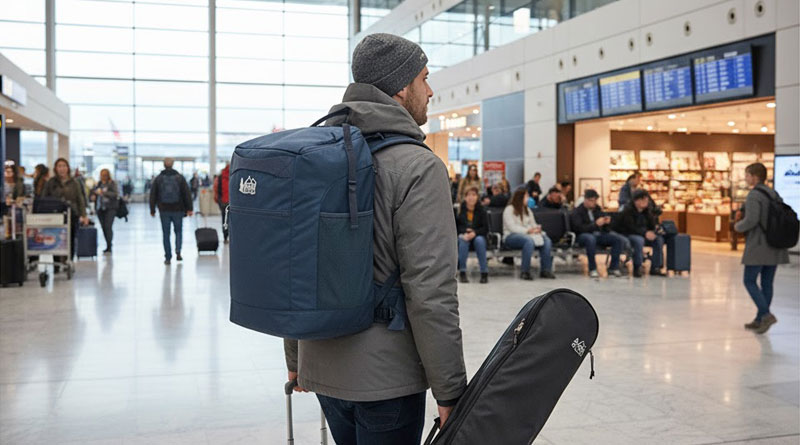
Flying with ski gear can be tricky, especially when it comes to keeping your boots safe and organised. A good ski boot bag makes air travel much easier by protecting your boots, storing your essentials, and fitting airline requirements. Whether you need extra space for helmets and clothes or a compact design for quick trips, the right bag keeps everything tidy and easy to carry. In this guide, we’ll share the best ski boot bags for air travel to make your journey smoother and stress-free.
1. REI Co-op Powderbound

- Capacity: 55 liters / 3,356 cu. in.
- Material: 100% recycled 600D polyester shell with TPU-coated lining
- Dimensions: 20 x 13 x 12 inches
- Weight: 1 lb. 13 oz.
The REI Co-op Powderbound Boot Pack is a solid companion for ski trips, offering reliable organization for your boots, helmet, gloves, and other essentials. The tarpaulin-lined boot compartment keeps wet and dry gear separate, and the back panel folds down into a convenient standing mat when changing boots. Its recycled polyester shell, treated with a PFAS-free DWR coating, resists moisture and abrasions, ensuring dependable durability through harsh winter conditions.
This pack also scores high on comfort and usability with padded shoulder straps and a back panel that make carrying easy. Multiple mesh pockets provide extra space for accessories and hydration, while the top wraparound zipper gives quick access to dry storage. With its clever organization, weather resistance, and eco-friendly design, the Powderbound is a practical and sustainable choice for every skier.
Pros:
- Excellent wet/dry gear separation
- Durable and eco-friendly materials
- Comfortable padded carry system
- Convenient standing mat design
Cons:
- Limited small-item pocket space
- No waist or sternum strap
2. Unigear Ski Boot Bag

- Capacity: 50 liters
- Material: 1050D nylon and tarpaulin exterior
- Dimensions: 11.8 x 12.6 x 19.7 inches
- Boot Size Fit: Up to US men’s 12.5
The Unigear Ski Boot Bag offers practical organization for skiers who need to carry multiple pieces of gear easily. With three individual compartments, you can keep your boots, helmet, and clothing separated and accessible. The tarpaulin-lined base prevents moisture from soaking through, while the flip-down back panel doubles as a mat for dry boot changes. The overall structure is sturdy, and the waterproof fabric ensures your gear stays dry even in heavy snow.
Comfort hasn’t been ignored either—its EVA-padded back panel and adjustable shoulder straps make carrying effortless. Whether you’re loading up for a mountain trip or storing gear post-ski, the Unigear Ski Boot Bag delivers reliable performance and long-lasting durability at a reasonable price point.
Pros:
- Durable and waterproof exterior
- Separate compartments keep gear organized
- Comfortable padded back and straps
- Flip-down mat for boot changes
Cons:
- No internal ventilation system
- Limited color options
3. Osprey Mountain Bound

- Gear Capacity: 45 liters
- Gear Capacity: 2,746 cubic inches
- Dimensions: 22 x 13.8 x 8.7 inches
- Weight: 2 lbs. 14.24 oz.
The Osprey Mountain Bound is built for skiers and snowboarders who need a reliable way to haul boots, helmets, and gear from the car to the slopes. Its AirScape back panel keeps the load comfortable even when the pack is fully stuffed, and the padded changing mat adds a thoughtful touch for booting up in parking lots or lodges. The main compartment swallows bulky items with ease, while the exterior pockets keep smaller essentials within quick reach.
With a 45-liter capacity and durable recycled nylon construction, this pack balances roominess with long-term toughness. The bluesign-approved fabric resists wet, abrasive conditions, and the 2-pound 14-ounce weight stays manageable for daily resort use. If you want a dedicated snow-sport pack that protects your gear and your back, the Mountain Bound is a smart, eco-conscious choice.
Pros:
- Comfortable AirScape carry
- Padded changing mat
- Durable recycled fabric
- Spacious 45-liter capacity
Cons:
- Limited exterior pocket count
- Not ideal for extended backcountry tours
4. evo 50L Boot Pack
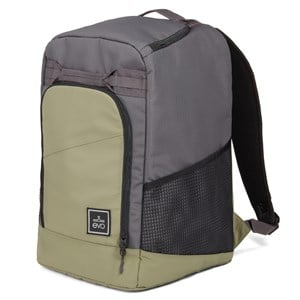
- Capacity: 50 liters
- Material: 600D recycled PET ripstop with PU coating
- Dimensions: 19 x 13 x 13 inches
- Lining: 250G PE Tarpaulin non-PVC mesh
The evo 50L Boot Pack is built for skiers who want a no-fuss, durable, and eco-friendly way to carry their gear. With ample space for boots, a helmet, goggles, and more, this pack simplifies mountain travel. The tarpaulin lining allows for easy clean-up after slushy days, while mesh stash pockets provide quick storage for wet items. Its bluesign-approved materials show evo’s commitment to sustainability without sacrificing durability.
Comfortable padded shoulder straps and a sternum strap ensure stable carrying, while multiple pockets make organization straightforward. It’s a dependable bag with rugged construction, quality zippers, and an impressive lifetime of wear. Ideal for those who like both function and environmental responsibility.
Pros:
- Eco-friendly recycled materials
- Durable, easy-to-clean tarpaulin lining
- Ample pocket organization
- Comfortable, ergonomic carry system
Cons:
- No separate boot ventilation
- Minimal internal padding
5. Dakine 50L Boot Pack
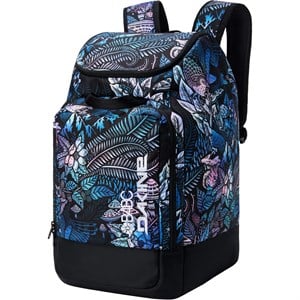
- Capacity: 50 liters / 3051 cu. in.
- Material: Polyester or nylon
- Dimensions: 19 x 14 x 13 inches
- Weight: 900 g
The Dakine 50L Boot Pack offers a straightforward and efficient design, perfect for organizing your mountain essentials. With dedicated pockets for boots, goggles, and a helmet, everything has its place. The rear entry panel makes accessing your boots quick and easy, allowing for smooth transitions between the car park and the slopes. Durable construction and high-quality zippers ensure the bag performs well in all conditions.
Lightweight yet spacious, it’s comfortable to carry thanks to balanced proportions and well-thought-out pocket placements. While it lacks some of the advanced features of pricier models, the Dakine Boot Pack delivers simplicity, reliability, and trusted quality for recreational skiers who value convenience and ease.
Pros:
- Lightweight and easy to carry
- Rear entry for quick boot access
- Durable construction
- Ample space for all ski essentials
Cons:
- No padded back support
- Limited weather resistance
6. Thule RoundTrip

- Capacity: 60 liters / 3,661 cu. in.
- Material: 600D bluesign® approved polyester
- Dimensions: 22.8 x 14.8 x 14.4 inches
- Weight: 2 lbs. 12.1 oz.
The Thule RoundTrip Boot Pack 60L is built for skiers and snowboarders who demand excellent organization and protection for their gear. It fits boots up to size US 13, with separate compartments to keep items ventilated and dry. The built-in standing mat makes changing boots clean and easy, while the top protective pocket offers quick access to essentials like helmets or goggles. Its design combines rugged functionality with a sleek, professional aesthetic that suits both travel and slope-side use.
Ventilated side pockets, multiple accessory pouches, and a padded back ensure maximum comfort and airflow. The bluesign-certified material emphasizes Thule’s eco-conscious manufacturing, while the luggage pass-through strap makes airport travel simpler. Whether it’s a weekend getaway or an alpine adventure, this boot pack provides durable reliability and impressive versatility.
Pros:
- Excellent organization and ventilation
- Durable, eco-friendly materials
- Integrated standing mat for boot changes
- Comfortable to carry and travel-friendly
Cons:
- Slightly heavier than other models
- Premium price tag
7. SEMSTY Ski Boot Bag

- Capacity: 55 liters
- Material: 840D twisting nylon with waterproof tarpaulin base
- Dimensions: 12.5 x 13.3 x 20.8 inches
- Weight: 1.23 kg
The SEMSTY Ski Boot Bag is a dependable option for those looking for efficient storage without sacrificing comfort. With 55 liters of space, it accommodates ski suits, helmets, goggles, and gloves with ease. The separate compartments and quick-access zippers make it simple to stay organized, ensuring you’ll always find your gear quickly. The padded base with waterproof tarpaulin keeps the bag dry and stable even when placed on wet snow or icy surfaces.
Designed for convenience, the ergonomic back panel and adjustable straps distribute weight evenly, preventing discomfort during travel. The four non-slip mats enhance grip and prevent the bag from slipping on slick terrain. With its thoughtful design and quality materials, the SEMSTY Ski Boot Bag is a smart and affordable choice for both casual and frequent skiers.
Pros:
- Spacious and well-organized design
- Durable waterproof materials
- Ergonomic and comfortable to carry
- Stable non-slip bottom
Cons:
- No external helmet attachment
- Limited color options
8. Maelstrom 55L Ski Boot Bag

- Capacity: 55 liters
- Material: 1680D twisted nylon fabric
- Dimensions: 21.66 x 13 x 11.4 inches
- Bottom: Non-slip waterproof reinforcement
The Maelstrom 55L Ski Boot Bag delivers a solid combination of durability and smart organization for skiers on the move. With multiple compartments for boots, helmets, gloves, and layers, everything fits neatly and stays secure. The heavy-duty nylon construction resists tearing and abrasion, keeping your gear safe through travel and rough conditions. Designed to meet airline carry-on standards, it’s an excellent choice for those flying to their next ski destination.
Comfort is enhanced by padded shoulder straps, a breathable EVA back panel, and adjustable chest straps for a balanced fit. The reinforced bottom provides excellent grip and protection against icy or slippery terrain. Built to handle the rigors of mountain travel, the Maelstrom bag blends practicality with toughness, making it a dependable companion for every winter adventure.
Pros:
- Airline-friendly and travel approved
- Highly durable and water-resistant
- Comfortable ergonomic design
- Non-slip reinforced base
Cons:
- No dedicated ventilation
- Minimal internal padding
See the Maelstrom 55L Ski Boot Bag
9. Geestock 50L Ski Boot Backpack

- Capacity: 50 liters
- Material: 1200D Oxford cloth with ripstop coating
- Boot Size Fit: Up to US men’s 12.5
- Special Features: USB port, air vents, ID slot
The Geestock 50L Ski Boot Backpack combines durability with smart functionality for modern travelers. Its multiple compartments ensure every item—from boots to gloves—has a secure spot, while the flip-down back panel doubles as a clean standing mat. The 1200D Oxford fabric and tarpaulin-lined bottom offer superior waterproof protection, keeping snow and slush out. It’s tough enough to withstand heavy use and travel conditions without compromising comfort.
Ergonomics play a big role in this design. Padded straps and a ventilated EVA back panel make carrying effortless, while external straps can hold skis or snowboards. Added touches like a USB charging port and reflective details make it both practical and travel-smart. For skiers who value versatility and tech-friendly design, this backpack ticks all the boxes.
Pros:
- Strong waterproof construction
- Well-padded and ergonomic carry
- External ski/snowboard straps
- Travel-friendly design with USB port
Cons:
- No dedicated helmet compartment
- Somewhat bulky when full
See the Geestock 50L Ski Boot Backpack
10. Athletico Ski Boot Bag
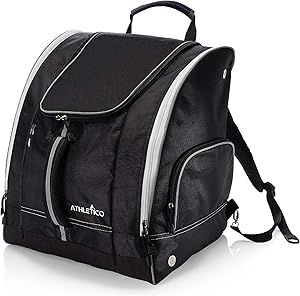
- Material: Water-resistant polyester
- Design: Dual side-entry boot compartments
- Carrying Options: Hidden backpack straps and padded handles
- Safety Feature: Reflective piping for visibility
The Athletico Ski Boot Bag is a simple yet rugged choice for carrying your winter gear. Featuring separate side-entry compartments for boots, it keeps your main gear area dry and organized. The large central compartment fits helmets, goggles, gloves, and more, while the water-resistant polyester shell keeps moisture at bay. Its padded lumbar support and hidden backpack straps make it comfortable to carry during travel or while trekking to the lodge.
This bag’s design focuses on practicality and ease of use. Reflective piping adds a touch of safety for low-light conditions, and the robust construction ensures long-lasting durability. For recreational skiers seeking an affordable and reliable boot bag, the Athletico model delivers great value with straightforward functionality.
Pros:
- Waterproof and durable fabric
- Comfortable padded carry options
- Ample space for all ski gear
- Reflective detailing for safety
Cons:
- No ventilation system
- Less structured than premium models
See the Athletico Ski Boot Bag
How to Choose Ski Boot Bags for Air Travel
When it comes to flying for a ski trip, packing your gear efficiently and safely is a top priority. Ski boot bags are essential for keeping your boots, helmet, and accessories protected and organized throughout your journey. Choosing the right ski boot bag for air travel can make the difference between a stress-free trip and a packing nightmare. From size and material to airline regulations and organizational features, there are several key factors to consider before you make your purchase.
Understanding Airline Regulations
Before buying a ski boot bag, it’s important to understand the rules airlines impose regarding luggage size and weight. Most airlines allow ski and snowboard gear as checked luggage, but the details vary. Some carriers count a ski bag and a boot bag together as one item, while others treat them separately. If you plan to bring your boots in a carry-on bag, make sure the dimensions comply with your airline’s cabin baggage limits—usually around 22 x 14 x 9 inches.
It’s a good idea to check whether your boot bag is classified as “sports equipment.” Some airlines waive oversize fees for ski gear, but only if the bag meets certain size requirements. If you travel frequently, opt for a bag specifically labeled as airline-approved or carry-on compatible to avoid surprises at check-in.
Choosing the Right Size and Capacity
Ski boot bags come in a variety of sizes, typically ranging from 50 to 70 liters. The right size depends on how much gear you plan to carry. A 50-liter bag is usually enough for boots, a helmet, gloves, and goggles. Larger 60–70 liter bags provide additional space for extra layers or travel essentials, ideal for longer trips or when you prefer to keep all your gear together.
If you plan to carry your ski boots as hand luggage, aim for a more compact, streamlined design. Bags with a square or rectangular shape fit more efficiently into overhead compartments and under seats. For checked luggage, however, you can choose a larger option with extra padding and compartments for added protection.
Material and Durability
Durability is crucial when your gear is being tossed around by baggage handlers or exposed to snow and moisture. High-quality ski boot bags are typically made from polyester, nylon, or a combination of both. Look for materials with a denier rating of at least 600D for adequate strength. If you travel often or expect harsh conditions, consider bags with 900D or 1200D fabrics for extra toughness.
Water resistance is another key feature. A waterproof tarpaulin base prevents snow and slush from soaking through when the bag is placed on wet ground. Some premium models use coated zippers and sealed seams to keep moisture out completely. Even if your bag isn’t fully waterproof, water-resistant construction helps protect your gear during transit.
Design and Compartments
Organization makes all the difference, especially when traveling through airports. The best ski boot bags feature separate compartments for boots, helmets, and accessories. Side or back-entry boot compartments prevent dirt and moisture from getting onto other gear. A ventilated design allows boots to dry between uses, reducing odor and mold buildup.
Top or front pockets can hold goggles, gloves, socks, and smaller essentials. Some bags also include fleece-lined sections for fragile items like eyewear or electronics. If you often travel with multiple accessories, look for a model with internal dividers or mesh pockets to keep everything accessible and tidy.
Boot Compartments
Boot compartments should be roomy enough to fit your specific boot size, typically up to a US men’s 12 or 13. A wide opening makes it easier to slide boots in and out without struggling. Many bags use water-resistant liners inside these sections, which help contain melted snow and prevent leaks.
Helmet and Accessory Storage
Since helmets are bulky, a separate top compartment is ideal. Some bags feature external helmet carry straps or mesh nets to free up internal space. Additionally, insulated pockets can protect goggles and electronic devices from freezing temperatures.
Comfort and Portability
Even though ski boot bags aren’t particularly light, the right design can make them comfortable to carry through terminals or ski resorts. Look for padded shoulder straps and ergonomic back panels to distribute weight evenly. Adjustable sternum or waist straps can add stability during longer walks. If you prefer convenience over carrying, some models include wheels and telescoping handles, making them function like small suitcases.
For air travel, a backpack-style ski boot bag is often the most practical choice. It leaves your hands free for other luggage, and the compact shape makes it easier to navigate crowded airports. Just make sure the straps are well-padded and adjustable to avoid back strain.
Ventilation and Breathability
Ski boots often retain moisture from snow or sweat, and without proper ventilation, this can lead to unpleasant odors or mildew. Look for bags with vent holes, mesh panels, or breathable linings that allow airflow. This feature is especially valuable when you’re flying home from a ski trip and don’t have time to fully dry your gear.
Some high-end models incorporate antimicrobial linings or odor-resistant coatings, which help maintain freshness over time. If ventilation isn’t built-in, leave zippers slightly open during transit to promote airflow while keeping items secure.
Protection and Padding
During air travel, your bag is likely to be stacked, dropped, or squeezed between other luggage. Proper padding ensures that your expensive ski boots and helmet remain undamaged. Choose a bag with reinforced panels around the sides, bottom, and boot compartments. Padded dividers between sections also prevent items from knocking against each other during transit.
Some ski boot bags feature structured frames or molded bases that help the bag maintain its shape and offer extra impact resistance. These are particularly useful for frequent travelers who want maximum protection for their investment.
Additional Features to Consider
Standing Mats
Many ski boot bags now include fold-out standing mats, allowing you to change boots without stepping directly onto wet or snowy ground. This small but useful feature can make your ski days much more comfortable and help keep your socks dry.
Reflective Details
If you often arrive late or travel in dim conditions, reflective strips or logos add safety and visibility. This can be particularly helpful when walking between parking lots or resort shuttles in low light.
External Straps and Attachments
Some boot bags come with external straps for attaching skis, poles, or helmets. While this can be convenient, be mindful of airline size restrictions—external attachments may make your bag too bulky for carry-on standards.
Travel-Friendly Features
Frequent flyers may appreciate bags with ID card holders, luggage tags, or dedicated document sleeves. USB charging ports and headphone slots are also becoming more common, providing added convenience during travel.
Budget vs. Premium Options
Your budget will influence the quality and features of your ski boot bag. Basic models under $60 generally offer enough space and protection for occasional travelers. Mid-range bags ($70–$120) tend to include better materials, improved padding, and ventilation systems. Premium options, like those from Thule or Dakine, may cost over $150 but offer exceptional organization, weatherproofing, and airline-friendly design.
If you travel frequently or carry high-end equipment, investing in a premium ski boot bag can be worthwhile. These bags last longer, provide better protection, and often come with warranties that ensure peace of mind.
Tips for Packing Your Ski Boot Bag
- Always pack boots with the buckles facing outward to save space.
- Use smaller pouches to organize accessories like gloves, socks, and tools.
- Distribute weight evenly to avoid shoulder strain when carrying as a backpack.
- Place heavier items at the bottom for better balance.
- Keep liquids like wax or sunscreen sealed in zip-lock bags to prevent leaks.
Final Thoughts
Choosing the right ski boot bag for air travel is about balancing protection, organization, and convenience. A well-designed bag safeguards your gear, complies with airline requirements, and simplifies your journey from airport to mountain. Look for durable, water-resistant materials, thoughtful compartment layouts, and comfortable carrying options. Whether you’re a casual skier or a frequent flyer chasing powder around the globe, the right boot bag ensures your equipment arrives safely—ready for another adventure on the slopes.