Best Snowboard Helmets for Women of 2026
Staying safe on the slopes starts with a good snowboard helmet. For women, the right helmet should fit comfortably, feel light, and match your style. But with so many options out there, choosing one can be tricky. This article shares the best snowboard helmets for women, covering safety, comfort, looks, and price. By the end, you’ll know just which helmet is right for you.
1. Smith Liberty Mips

- Construction: Hybrid with polycarbonate shell
- Vents: 20
- Weight: 1 lb. 3 oz.
- Sizes: S to L (20.1-24.8 inches)
The Smith Liberty Mips is a women’s snow helmet designed for riders who split their time between resort laps and off-piste exploring. It uses a hybrid construction with a polycarbonate shell, and the Mips technology adds an extra layer of protection when the terrain gets unpredictable. At only 1 lb. 3 oz., it stays light enough to wear from the first chair to the last run without causing neck fatigue or pressure.
Ventilation is a real highlight, with 20 vents that help you manage temperature on warm spring days or during a steep hike. The built-in visor adds a touch of shade and a sporty look, while the three available sizes cover head circumferences from 20.1 to 24.8 inches. It is a dependable pick for women who want a trusted brand and a comfortable, secure fit, although riders needing an extra-large size will have to shop elsewhere.
- Pros: Mips protection, 20 vents, lightweight, visor included
- Cons: Women’s fit only, no XL size
2. OutdoorMaster Kelvin
- Shell: Reinforced ABS
- Core: Shock-absorbing EPS
- Vents: 14
- Fit: Adjustment dial with washable liner
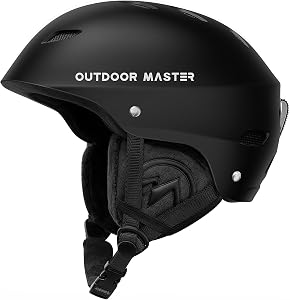
The OutdoorMaster Kelvin is a budget-friendly ski and snowboard helmet that focuses on the essentials: comfort, protection, and style. A reinforced ABS shell is paired with a shock-absorbing EPS core to handle bumps and impacts on the slopes. The matte finish looks sleek, and with 22 color options available, it is easy to find a shade that matches your jacket or your personality.
Fit is simple to dial in thanks to the size adjustment knob, and the removable ear pads and fleece liner can be washed when they start to smell after a long season. Fourteen individual vents keep air moving, which helps you stay comfortable during hours of skiing. It is a solid entry-level choice for recreational riders, though those wanting advanced impact systems or premium extras may want to look at higher-priced models.
- Pros: 22 color options, washable liner, adjustable dial, affordable
- Cons: Fewer vents than premium helmets, basic feature set
3. Giro Ledge Mips

- Construction: Hybrid
- Shell: ABS
- Visor: No
- Sizes: S to XL (20.47-25.59 inches)
The Giro Ledge Mips is a hard-shell snow helmet made with park riders in mind. Its minimalist look hides a full set of features, including multidirectional Mips protection that helps manage rotational forces during a fall. The hybrid construction pairs a tough ABS shell with a design that feels secure, which is exactly what you want when you are hitting rails, jumps, and boxes all afternoon.
A seamless fit system keeps things comfortable and stable, and the clean profile sits nicely with most goggles. Four sizes from small to extra-large cover head circumferences from 20.47 to 25.59 inches, so more riders can find a proper fit. The lack of a visor gives it a low-key freestyle look, though some riders may prefer a brim for extra sun protection on bright days.
- Pros: Mips protection, four sizes including XL, seamless fit system, clean look
- Cons: No visor, ventilation details not listed
4. Smith Vantage 2 Mips

- Construction: Hybrid with polycarbonate shell
- Vents: 40
- Weight: 1 lb. 3.4 oz.
- Sizes: S to XL (20.1-26.4 inches)
The Smith Vantage 2 Mips is built to help you stay focused on your line, whether you are charging through a storm or enjoying a bluebird day. It blends lightweight comfort with targeted safety technology, using a hybrid construction and a polycarbonate shell. At 1 lb. 3.4 oz., it feels easy to wear for a full day of riding, and the Mips system adds dependable protection.
What really sets this helmet apart is its 40 vents, which deliver excellent airflow and help you regulate temperature across changing conditions. The visor gives extra shade and a classic look, and the four sizes stretch from 20.1 to 26.4 inches to fit a wide range of heads. It is an excellent all-around choice for serious riders, although the premium feature set likely comes with a higher price than basic helmets.
- Pros: 40 vents, Mips protection, lightweight, wide size range
- Cons: Likely pricier than entry-level helmets
5. Odoland Ski Helmet

- Certification: ASTM certified
- Shell: PC outer shell with EPS inner shell
- Vents: 14
- Includes: Goggles and carry bag
The Odoland Ski Helmet is an ASTM certified set that bundles a helmet with detachable goggles, making it a convenient package for anyone new to snow sports. The PC outer shell and EPS inner shell combine to offer shockproof, windproof protection, while the penetration resistant construction keeps both the helmet and goggles securely in place during aggressive riding.
Comfort is well covered with a detachable lining, removable earmuffs, and a soft chin band, plus an easy-adjustable band for a personalized fit. Fourteen air vents and the Flow-Tech goggle venting design help reduce fogging and keep air moving. A bonus carry bag makes transport simple, and the lightweight build reduces pressure over long days. It suits skiing, snowboarding, and skating, though experienced riders may prefer a separate, higher-end goggle.
- Pros: Goggles included, ASTM certified, anti-fog venting, carry bag
- Cons: Bundled goggles may not satisfy advanced riders
6. OutdoorMaster Kelvin II

- Shell: Fully formed ABS with EPS foam
- Vents: 14
- Fit: Adjustable dial with detachable lining
- Sizes: S to L (18.89-24.41 inches)
The OutdoorMaster Kelvin II is designed for winter enthusiasts who want a dependable helmet for skiing, skating, and snowboarding. A fully formed ABS outer shell is combined with quality EPS foam to absorb impacts, giving you peace of mind as you carve down the mountain. It is designed to pair seamlessly with OutdoorMaster goggles for a clean, unified look.
Fourteen air vents provide effective ventilation while shielding you from freezing winds, and the detachable lining, earmuffs, and soft chin band add cozy warmth. The adjustable dial lets you customize the fit, and the lightweight construction helps relieve head pressure. Sizing runs from small at 18.89 inches to large at 24.41 inches, which suits most adults, though riders with larger heads may find the range limited.
- Pros: Lightweight, detachable warm lining, adjustable dial, goggle compatibility
- Cons: Only three sizes, no XL option
7. Smith Rodeo Mips

- Construction: In-mold
- Shell: ABS with 50% recycled content
- Vents: 10
- Weight: 1 lb. 3.4 oz.
The Smith Rodeo Mips balances clean, modern style with solid safety and comfort technology for all-day use. Its in-mold construction bonds the shell to the liner for a streamlined, durable build, and the Mips system provides added protection against rotational impacts. Whether you are exploring in or out of bounds, this helmet is designed to keep you confident and comfortable.
The ABS shell includes 50 percent recycled content, which is a nice touch for environmentally minded riders. At 1 lb. 3.4 oz., it stays light on the head, and four sizes from small to extra-large cover circumferences from 20.1 to 26.4 inches. Ten vents deliver moderate airflow, which is fine for most conditions but not as generous as some competing models. The lack of a visor keeps the profile simple and understated.
- Pros: Mips protection, recycled shell content, lightweight, four sizes
- Cons: Only 10 vents, no visor
8. Findway Ski Helmet
- Standards: ASTM F2040 and EN1077
- Construction: In-mold ABS shell fused to EPS foam
- Vents: 8
- Fit: Size dial with removable ear pads and lining
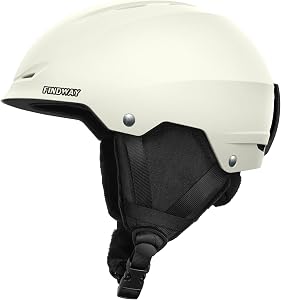
The Findway Ski Helmet meets ASTM F2040 and EN1077 standards, giving budget-conscious riders certified protection. Its in-mold construction fuses the outer ABS shell to the inner EPS foam, allowing the foam to absorb shock effectively during an impact. The ergonomic design accommodates different goggles and head shapes, helping you avoid the dreaded gaper gap for a clean, custom-looking fit.
A size dial knob makes adjustments quick, and the ear pads and lining detach easily for cleaning after a long weekend. Eight individual vents help keep your head dry and increase airflow through your goggles to reduce fogging. The helmet works for men, women, and youth, which makes it a flexible option for families. With fewer vents than many rivals, it may run warmer on hot spring days or during strenuous efforts.
- Pros: Certified to two standards, in-mold build, removable liner, fits men, women, and youth
- Cons: Only 8 vents, may run warm
9. Retrospec Comstock

- Shell: ABS with EPS foam
- Vents: 10 with mesh cap
- Fit: ErgoKnob dial and straps
- Sizes: S to L (52-62 cm)
The Retrospec Comstock is a convertible ski and snowboard helmet that combines safety and comfort for riders who face changing weather. A crafted ABS shell and EPS shock-absorbing foam deliver lightweight yet robust protection. Fleece-lined ear muffs keep you warm in frigid conditions and detach easily when temperatures rise, so one helmet can handle everything from cold mornings to mild afternoons.
Airflow is handled by a moisture-wicking netted mesh cap and 10 vents, which help control temperature and keep sweat in check. The ErgoKnob dial and straps allow quick adjustments for a personalized fit, and a glove-friendly goggle clip secures your goggles in place. Sizes range from 52 to 62 cm, covering most adults and youth. Riders wanting advanced rotational impact technology may want to look at models with Mips.
- Pros: Convertible ear muffs, mesh cap, goggle clip, easy adjustment
- Cons: No Mips technology, only 10 vents
10. RIOROO Ski Helmet

- Shell: Reinforced ABS with EPS core
- Vents: 12
- Certification: CE EN 1077 and ASTM F2040-18
- Fit: Size dial with washable thermal liner
The RIOROO Ski Helmet offers reliable protection at a friendly price, using a reinforced ABS shell and a shock-absorbing EPS core to guard against knocks and bumps. It is certified to CE and ASTM F2040-18 safety standards, which gives riders confidence that it meets recognized requirements. Adults, men, women, and teens can wear it for skiing, snowboarding, skating, sledding, or snowmobiling.
A thermal liner and ear pads keep your head warm and cozy all day, and both are removable so cleaning is easy. The size adjustment dial tightens when turned right and loosens when turned left, making fit changes fast even with gloves on. Twelve individual vents keep your head ventilated and dry while improving airflow through your goggles to help prevent fogging. It is a strong value pick, though it lacks premium extras like Mips.
- Pros: Certified protection, 12 vents, washable liner, versatile for many sports
- Cons: No Mips, limited premium features
How to Choose Snowboard Helmets for Women
Snowboarding is freedom, adrenaline, and style—but it also comes with risks. A helmet is the single most important piece of protective gear you can own. For women, the choice isn’t just about grabbing any helmet off the shelf. Fit, weight, ventilation, hairstyle compatibility, and even color options matter. This guide walks you through every detail so you can pick a helmet that keeps you safe, comfortable, and confident on the mountain.
Why a Women-Specific Helmet Matters
Helmets are not unisex by default. Women often have a narrower head shape, a different occipital bone curve, and a lower hairline. A men’s helmet may leave pressure points at the temples or sit too high, exposing the back of the head. Women’s helmets are designed with a rounder, slightly more oval fit and often include extra room for ponytails or buns. They also tend to be lighter and use softer interior padding.
Head Shape and Fit
Most women fall into two head shape categories: round oval and intermediate oval. Round oval heads are nearly as wide as they are long. Intermediate oval heads are slightly longer front to back. Many helmet brands now offer women-specific lasts (the 3D shape of the helmet interior). Always try before you buy, or order from a retailer with free returns.
Ponytail Compatibility
A helmet that presses your hair flat or forces you to remove a hair tie can ruin a day of riding. Look for helmets with an adjustable dial at the back (often called a “fit system”) that creates a gap for a low ponytail. Some brands, like Smith and Giro, explicitly design women’s models with a “ponytail port” or extra depth at the rear.
Key Features to Evaluate
Not all helmets are created equal. Below are the features that matter most for women snowboarders.
Safety Certifications
- ASTM F2040 – The standard for non-motorized snow sports helmets in the US. Always look for this.
- CE EN 1077 – The European equivalent. A helmet can carry both.
- MIPS – Multi-Directional Impact Protection System. A low-friction layer that reduces rotational forces during angled impacts. Highly recommended for snowboarding.
- WaveCel – A newer honeycomb-like liner from Bontrager that also reduces rotational and linear impacts. Found in some women’s models.
- Koroyd – A tubular structure that absorbs energy efficiently. Used by Smith.
Weight and Ventilation
Women generally prefer lighter helmets. A heavy helmet causes neck fatigue, especially on long chairlift rides. Look for models under 400 grams (14 oz). Ventilation is equally important: adjustable vents let you control airflow. On cold days, close them; on spring slush, open them wide. Avoid helmets with fixed vents unless you ride in a very narrow temperature range.
Audio and Goggle Integration
Many women ride with music or need to take calls. Some helmets come with built-in audio chips (e.g., Smith’s Aleck system), while others have removable ear pads that accept aftermarket drop-in headphones. Also check that your goggles fit seamlessly with the helmet—no gap between the top of the goggle frame and the helmet brim. Brands often sell “goggle-helmet combos” that are tested together.
How to Measure Your Head Correctly
Wrong size is the number one reason women return helmets. Follow these steps:
- Use a soft measuring tape.
- Wrap it around your head about 1 inch (2.5 cm) above your eyebrows and the widest part of the back of your skull.
- Keep the tape snug but not tight. If it leaves a mark, it’s too tight.
- Measure three times and take the average.
- Compare to the brand’s size chart. Sizes vary—you might be a Medium in Giro and a Large in Anon.
If you’re between sizes, size up and use the fit system to tighten. A helmet that’s too small can cause headaches and won’t sit low enough to protect your forehead.
Women’s Helmet Styles: Which One Is Right for You?
There are three main styles. Your choice depends on your riding style, budget, and fashion sense.
In-Mold vs. Hard Shell
- In-mold: The outer polycarbonate shell is fused to the EPS foam liner. Lighter, better ventilation, more expensive. Best for all-mountain and freestyle riders.
- Hard shell: A separate ABS plastic shell glued to the foam. Heavier, more durable, cheaper. Good for beginners or park riders who hit their helmet often.
Round vs. Angular Designs
Round helmets look classic and fit rounder heads better. Angular, low-profile helmets (like the Smith Vantage or Giro Envi) look sleek and often have better goggle integration. Neither is safer—pick based on style and fit.
Hybrid and Convertible Helmets
Some women prefer a helmet with a removable liner and ear pads for spring riding. Others want a helmet that works for both snowboarding and skateboarding (dual-certified). Dual-certified helmets meet ASTM F2040 and ASTM F1492 (skate). They are heavier but versatile.
Comparison Table: Top Women’s Snowboard Helmets
| Model | Weight (g) | Fit System | MIPS | Vents | Ponytail Friendly | Price Range |
|---|---|---|---|---|---|---|
| Smith Vantage MIPS (Women’s) | 380 | VaporFit dial | Yes | 21 adjustable | Yes (rear gap) | $200–$260 |
| Giro Envi MIPS | 360 | Roc Loc 5 Air | Yes | 14 adjustable | Yes | $180–$240 |
| Anon Merak WaveCel | 420 | BOA fit system | WaveCel | 14 fixed | Moderate | $220–$280 |
| POC Obex MIPS (Women’s) | 400 | 360° fit system | Yes | 10 adjustable | No | $190–$250 |
| Oakley MOD5 (Women’s) | 390 | Modular Brim | Yes (optional) | 12 adjustable | Yes | $170–$230 |
| Bern Watts EPS (Women’s) | 450 | No dial (pads) | No | 6 fixed | No | $90–$130 |
Note: Prices are approximate and vary by season and retailer. Always check the latest certification and fit system details.
Fit Adjustments and Comfort Tips for Women
Even a great helmet can feel wrong if not adjusted properly. Here’s how to dial it in.
The “Two-Finger” Rule
When you push the helmet down on your head, you should not be able to fit more than two fingers between your eyebrows and the helmet’s front edge. If you can fit three or more, the helmet is too small or sitting too high. If the helmet touches your eyebrows, it’s too low and may block vision.
Adjusting the Dial and Straps
- Turn the rear dial until the helmet feels snug but not tight. You should be able to shake your head vigorously without the helmet moving.
- Adjust the chin strap so you can fit one finger between the strap and your chin. A loose strap means the helmet can fly off in a crash.
- If the helmet has a goggle strap holder (a small elastic loop at the back), use it to keep your goggles secure.
Hairstyle Hacks
If you have long hair, try a low bun or a single braid down your back. A high ponytail can create a bump that prevents the helmet from sitting flat, reducing protection. Some women wear a thin beanie or a headband under the helmet for extra warmth and to reduce pressure points. Just make sure the beanie is not too thick—it can change the fit.
Budget vs. Premium: What Do You Really Get?
You can find a safe helmet for under $100. But premium helmets (over $200) offer:
- Lower weight (less neck strain)
- Better ventilation (adjustable, more vents)
- Advanced impact protection (MIPS, WaveCel, Koroyd)
- Superior fit systems (BOA, dials with more range)
- Audio integration and sleeker aesthetics
- Better warranty and crash replacement policies
If you ride 10+ days per season, invest in a mid-range or premium helmet. If you ride a few times a year, a well-fitting budget helmet with ASTM F2040 is fine—just replace it after any hard impact.
When to Replace Your Helmet
Helmets have a lifespan. The EPS foam degrades over time, and a single crash can compromise the structure even if you see no cracks.
- After any significant impact – Replace immediately. The foam has already compressed.
- Every 5 years – Even without a crash, materials break down from sweat, UV light, and temperature changes.
- If the fit system breaks or the liner detaches – Repair is rarely safe.
- If you see cracks, dents, or a loose shell – Retire it.
Final Checklist Before You Buy
Use this list when shopping online or in a store:
- ✅ ASTM F2040 or CE EN 1077 certification
- ✅ MIPS, WaveCel, or Koroyd (recommended but not mandatory)
- ✅ Weight under 450g for all-day comfort
- ✅ Adjustable vents (at least 6)
- ✅ Rear dial fit system that accommodates a ponytail
- ✅ Goggle compatibility (bring your goggles to try on)
- ✅ Removable ear pads and liner for washing
- ✅ Audio-ready or built-in audio
- ✅ Proper size based on your head circumference
- ✅ Crash replacement warranty
Choosing a snowboard helmet for women is not about pink flowers or “shrink it and pink it” marketing. It’s about biomechanics, safety, and personal comfort. Take your time, try multiple brands, and don’t settle for a helmet that gives you a headache or leaves a red mark on your forehead. A good helmet disappears on your head—you forget you’re wearing it until you need it. And when you need it, it should protect you flawlessly. Ride smart, ride safe, and enjoy the powder.