Best Alpine Touring Ski Boots of 2025
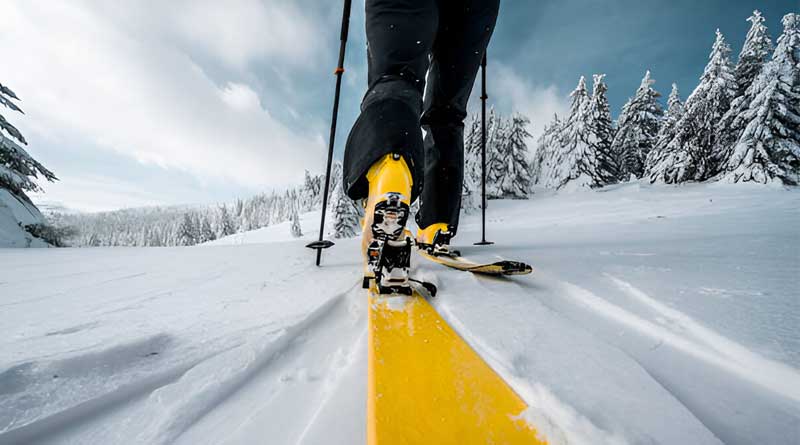
Alpine touring (AT) ski boots let you climb and ski in the backcountry with one pair of boots, giving a blend of light weight for uphill travel and strong support for downhill runs. Picking the best AT boots means balancing weight, stiffness, fit, and comfort so you can walk efficiently without sacrificing control on steep descents. Important features include a smooth walk mode, compatible touring bindings, a supportive yet lightweight shell, and liners that keep feet warm and comfy all day. Adjustable cuffs, easy-to-use buckles, and the right cuff overlap make a big difference. Whether you’re new to ski touring or experienced, the right pair will make long approaches easier and boost your confidence every season.
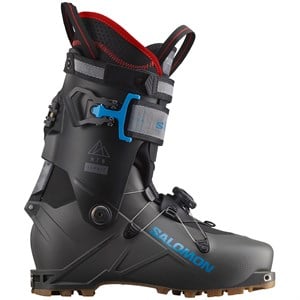
1. Salomon S/Lab MTN Summit
-
Flex Index: Stiff
-
Forefoot Width: 99 mm
-
Number of Buckles: 1 + BOA® System
-
Boot Sole Type: Tech
The Salomon S/Lab MTN Summit is built for serious alpine touring, where weight savings and efficiency can make or break a big day in the mountains. Developed with input from pro skier Cody Townsend, these boots focus on uphill performance without neglecting downhill capability. Salomon’s Custom Shell HD ensures a personalized fit, while the BOA® system at the instep allows micro-adjustments for secure heel hold. The Surelock Ski Walk Mechanism offers smooth transitions between climbing and skiing, and the 75° range of motion gives a natural stride on the skin track.
On descents, the MTN Summit delivers a progressive flex, providing a smooth feel but slightly less support compared to some stiffer touring models like the Scarpa F1 LT. It offers a wider toe box for comfort on long days, and the carbon spine boosts power transfer. A full rubber sole with 30% recycled content ensures traction in sketchy terrain, while the lightweight build makes it a strong option for “fast and light” missions. If your priority is efficient climbing with reliable performance on the way down, the S/Lab MTN Summit checks the right boxes.
Pros:
- Excellent uphill mobility with 75° range of motion
- Heat-moldable Custom Shell HD for a precise fit
- BOA® system improves heel hold and comfort
- Lightweight design for long tours
Cons:
- Less supportive than some boots in its stiffness category
- Not the best choice for aggressive downhill skiing on challenging terrain
View at evo View at Backcountry
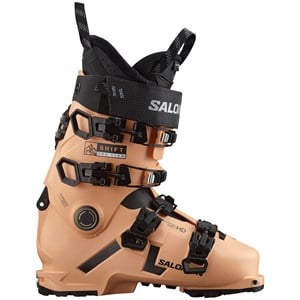
2. Salomon Shift Pro 110 – Women’s
-
Flex Index: Very Stiff (110)
-
Forefoot Width: 100 mm
-
Number of Buckles: 4
-
Boot Sole Type: GripWalk (ISO 23223), Tech
The Salomon Shift Pro 110 W is a versatile alpine touring boot designed to handle both aggressive downhill skiing and efficient uphill travel. With a medium 100mm last and Salomon’s Custom Shell HD heat molding technology, it offers a tailored fit that can adapt to various foot shapes. The boot’s Core-Frame construction delivers excellent power transmission to the edges, ensuring solid control at speed. Its GripWalk sole enhances traction on rocky or icy terrain, making it comfortable and secure when hiking or skinning.
This boot’s ski/walk mechanism is intuitive and low-profile, allowing quick transitions between climbing and skiing without extra bulk. Four micro-adjustable buckles and two hiking hooks offer great customization, while the 360° Velcro power strap keeps your foot locked in place. Although primarily built for advanced skiers who want to tour, many users find it performs well on resort days too. Note that sizing may vary slightly between model years, so getting a professional fitting is recommended. Overall, it’s a strong all-rounder for women wanting serious touring capability without sacrificing downhill performance.
Pros:
- Precise fit thanks to Custom Shell HD heat molding
- Sturdy and responsive flex for aggressive skiing
- Integrated tech inserts and GripWalk soles for touring
- Walk mode with extended range of motion and hiking hooks
Cons:
- Sizing inconsistencies between model years
- Heavier than some ultra-light touring boots
View at evo View at Backcountry
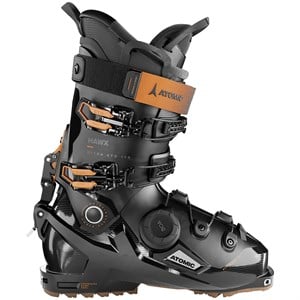
3. Atomic Hawx Ultra XTD 110 BOA GW
-
Flex Index: 110 (Moderately Stiff)
-
Forefoot Width: 98 mm
-
Number of Buckles: 2 + BOA® Lower Closure
-
Boot Sole Type: GripWalk (ISO 23223)
The Atomic Hawx Ultra XTD 110 BOA GW is a hybrid alpine touring boot designed for skiers who want a balance between downhill power and uphill comfort. Its narrow 98mm last makes it ideal for those with slimmer feet and ankles, while the Memory Fit heat-molding system allows for personalized shaping of the shell, cuff, and liner. The standout BOA® lower closure provides an even, micro-adjustable fit around the forefoot, delivering a secure yet comfortable hold without the clamping pressure of traditional buckles.
The boot features a smooth-flexing True Flex polyurethane shell combined with Prolite construction, which adds reinforcements only where needed to save weight without sacrificing strength. With a 54° range of motion and frictionless pivot system, it moves naturally on the ascent, making skinning less tiring. Though lighter and more comfortable than many boots in its class, it offers solid downhill performance with an energy backbone that enhances edge grip and power transfer. The Atomic Hawx Ultra XTD 110 is a great option for intermediate to advanced skiers wanting a versatile “do-it-all” boot.
Pros:
- BOA® system delivers precise, comfortable fit
- Lightweight Prolite construction with targeted reinforcements
- Excellent range of motion and natural movement for touring
- Narrow last ideal for slim feet and ankles
Cons:
- Only two buckles, which may limit upper foot lockdown for some
- Shorter sole length could require binding adjustments
View at evo View at Backcountry
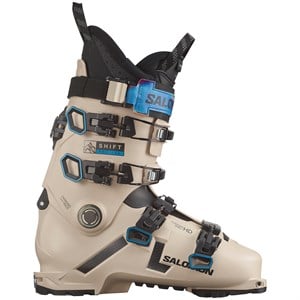
4. Salomon Shift Pro 130
-
Flex Index: 130 (Very Stiff)
-
Forefoot Width: 100 mm
-
Number of Buckles: 4
-
Boot Sole Type: GripWalk (ISO 23223), Tech
The Salomon Shift Pro 130 is built for aggressive skiers who split their time between the resort and the backcountry. Its 100mm last and Custom Shell HD molding process make it adaptable for many foot shapes, while the stiff 130 flex delivers excellent responsiveness for high-speed descents. The Core-Frame construction reinforces key areas for precision edge control without adding unnecessary weight, and the integrated tech inserts make it compatible with touring bindings.
In touring mode, the Surelock Ski Walk Mechanism allows quick and smooth transitions, though its range of motion is more suited to slackcountry and shorter tours than long-distance skinning. The fit out of the box is intentionally neutral to allow for heat customization, and the oversized pivot ensures strong power transmission. While not the lightest option, its stability and control on descents make it a great choice for those prioritizing downhill performance over uphill efficiency. Ideal for expert skiers who want one boot that can handle both inbounds charging and occasional touring missions.
Pros:
- Stiff 130 flex for aggressive downhill performance
- Custom Shell HD for a personalized fit
- Integrated tech fittings for touring capability
- Solid and easy-to-use walk mode lever
Cons:
- Average range of motion compared to lighter touring boots
- Heel pocket could be narrower for better lock-in
View at evo View at Backcountry
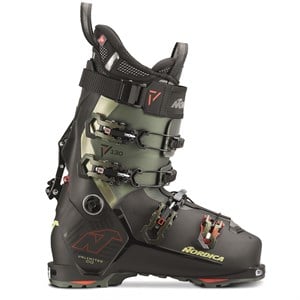
5. Nordica Unlimited 130 DYN
-
Flex Index: 130 (Very Stiff)
-
Forefoot Width: 99 mm
-
Number of Buckles: 4
-
Boot Sole Type: GripWalk (ISO 23223), Tech
The Nordica Unlimited 130 DYN blends downhill boot performance with touring-friendly features, making it an excellent choice for advanced skiers who want versatility. Its polyurethane shell and cuff deliver a solid, stiff flex of 130, providing the power and control needed for aggressive skiing. The boot features a smooth walk mode and a well-designed lower buckle cable release system for quick, hassle-free transitions between skinning and skiing.
While it’s not the lightest option, the Unlimited 130 DYN offers a comfortable semi-custom fit, especially for narrow ankles and medium-width forefeet. On the slopes, it feels stable and controlled in mixed conditions, making it a reliable partner for both resort days and backcountry adventures. If you want a boot that skis like a race boot but still has the convenience of touring tech, this model strikes a solid balance.
Pros:
- Powerful 130 flex for expert-level skiing
- Easy and quick transitions with lower buckle release
- Comfortable fit for narrow ankles and average forefoot width
- Reliable walk mode with good range of motion
Cons:
- Heavier than some other touring boots
- Lacks BOA fit system for micro-adjustments
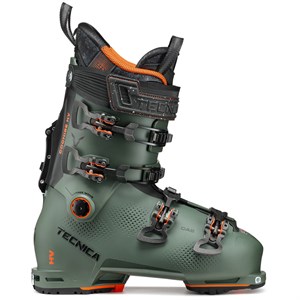
6. Tecnica Cochise HV 120 DYN
-
Flex Index: 120 (Stiff)
-
Forefoot Width: 102 mm
-
Number of Buckles: 4
-
Boot Sole Type: GripWalk (ISO 23223), Tech
The Tecnica Cochise HV 120 DYN is built for skiers with wider feet who demand strong downhill performance and solid touring capability. With a 102 mm last, it offers generous toe room without sacrificing control. Its C.A.S. (Custom Adaptive Shape) shell and liner allow for fine-tuning the fit, making it a great choice for comfort-focused skiers who still want aggressive power transfer.
On snow, the 120 flex delivers stability at high speeds and in variable conditions. The walk mode is smooth with a decent range of motion, though it’s not the lightest uphill boot in its class. Four buckles and a power strap lock you in securely, while the tech inserts make it compatible with pin bindings for backcountry adventures. This is a well-rounded boot for those who prioritize a roomy fit without compromising downhill performance.
Pros:
- Wide 102 mm last for high-volume feet
- C.A.S. shell and liner for customization
- Strong downhill performance with touring versatility
- Smooth walk mode for comfortable ascents
Cons:
- Heavier than some touring-specific boots
- Slightly less range of motion than ultralight options
View at evo View at Backcountry
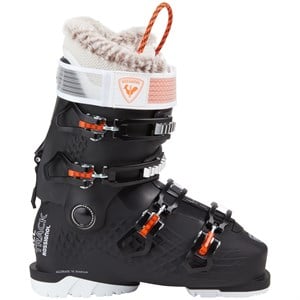
7. Rossignol Alltrack 70 Premium
-
Flex Index: 70 (Soft)
-
Forefoot Width: 102 mm
-
Number of Buckles: 4
-
Boot Sole Type: Alpine DIN (ISO 5355)
The Rossignol Alltrack 70 Premium is an excellent option for beginner to intermediate skiers who want a comfortable, forgiving boot with touring capability. Designed with a wide 102mm last and a softer flex, it accommodates wider feet and offers plenty of comfort for those still building confidence on the slopes. The women’s specific cuff shape allows for a natural fit around the calf, improving overall comfort and control.
Despite its moderate stiffness, this boot includes a functional hike mode with 41° range of motion, making it easier to walk or skin uphill. The Custom T4 liner provides a sock-like fit that hugs the foot, while the dual core shell design balances weight and power transmission. The Alltrack 70 is perfect for skiers looking to explore all-mountain terrain with an easy-to-use boot that won’t punish your shins on softer flex days.
Pros:
- Comfortable fit for wider feet and calves
- Gentle 70 flex for beginner to intermediate skiers
- Hike mode with good range of motion for touring
- Durable construction with dual core technology
Cons:
- Not stiff enough for advanced or aggressive skiing
- Heavier than lightweight touring boots
How to Choose Alpine Touring Ski Boots?
Choosing the right alpine touring ski boots is crucial for enjoying backcountry adventures safely and comfortably. Alpine touring (AT) boots are designed to balance uphill mobility with downhill performance, but finding the perfect pair requires understanding key features and how they fit your skiing style. This guide will walk you through the most important factors to consider when selecting touring ski boots.
1. Understand Your Skiing Goals and Style
Before diving into technical details, consider how and where you plan to ski. Are you a backcountry enthusiast aiming for long uphill tours with minimal weight? Or do you prefer a mix of resort skiing and occasional skinning? Boots vary widely in weight, flex, and features depending on their intended use:
-
Lightweight Touring Boots: Prioritize low weight and high range of motion for long climbs. Usually have softer flex and less downhill stiffness. Ideal for ski mountaineering and fast ascents.
-
Performance Touring Boots: Strike a balance between uphill comfort and downhill power. Moderate weight and flex, suitable for varied terrain.
-
Alpine-Focused Touring Boots: Heavier and stiffer for excellent downhill control. Often used by aggressive skiers who want the option to tour occasionally.
2. Fit and Last Width
Boot fit is the foundation of comfort and control. Alpine touring boots come in various lasts (widths), typically ranging from narrow (97–98 mm) to wide (102+ mm). Your foot shape and volume matter:
-
Narrow Last (around 97–99 mm): Best for slender feet. Offers precise control but may feel tight.
-
Medium Last (100–102 mm): Most common. Fits average feet comfortably.
-
Wide Last (102 mm+): Suits high-volume feet and wider forefeet, ensuring comfort on long days.
A proper fit includes not just the width but also heel lockdown, instep support, and toe box room. Many boots feature heat-moldable shells and liners to fine-tune the fit, so consider visiting a certified boot fitter.
3. Flex Rating
Flex index indicates how stiff the boot is. It affects power transmission and comfort:
-
Soft Flex (50–80): Easy to walk in, comfortable for beginners or long ascents but limited downhill control.
-
Medium Flex (90–110): Balanced flex for intermediate to advanced skiers, suitable for varied terrain.
-
Stiff Flex (120+): For expert skiers who need precise downhill performance and responsiveness.
Choosing the right flex depends on your skill level and preferred skiing style. If you mostly tour and want comfort on the climb, softer flex boots are better. If you prioritize aggressive downhill skiing, a stiffer boot is essential.
4. Walk Mode and Range of Motion
A key feature of AT boots is the walk mode, which unlocks the cuff for a freer stride while climbing or hiking. Range of motion (ROM) varies:
-
Higher ROM (50°+): Provides a natural and efficient uphill stride, reducing fatigue.
-
Lower ROM (30°–50°): Less mobility but usually found in boots focused more on downhill performance.
Check how easy the walk mode lever is to use and if the boot has additional features like hiking hooks to extend cuff mobility.
5. Weight
Weight matters most if you plan long tours. Lighter boots reduce fatigue but may sacrifice stiffness and downhill performance. Boots designed for “fast and light” touring often feature carbon components and minimal materials, while alpine-focused boots are heavier but more supportive.
6. Closure Systems
Buckles, BOA® systems, and power straps affect fit, comfort, and convenience:
-
Traditional Buckles: Provide solid lockdown and adjustability.
-
BOA® Fit System: Offers micro-adjustable closure with even pressure distribution, often easier to fine-tune on the fly.
-
Power Straps: Add extra cuff support for improved responsiveness.
Some boots combine buckles with BOA® closures for custom fitting.
7. Compatibility and Sole Type
Alpine touring boots must work with bindings. Tech fittings (pin bindings) require specific sole standards:
-
Tech Soles: Compatible with pin bindings, lightweight, and durable.
-
GripWalk Soles: Hybrid soles that improve walking traction and fit some bindings.
-
Alpine Soles: Standard ski soles for resort use, heavier and less tour-friendly.
Make sure your boots match your binding type and intended use.
8. Insulation and Liner Quality
Backcountry skiing means colder, variable conditions. Good insulation and a comfortable liner keep feet warm and dry. Many boots feature heat-moldable liners for customized fit, breathability, and moisture-wicking properties. Look for liners with adequate padding but also ventilation.
9. Durability and Materials
High-quality materials improve durability and performance:
-
Carbon and Composite Cuffs: Add strength and reduce weight.
-
Polyurethane Shells: Durable and stiff, commonly used in alpine boots.
-
Grilamid Shells: Lightweight and flexible, often used in lightweight touring boots.
Consider how much abuse your boots will take and choose accordingly.
Final Tips
-
Try Before You Buy: Fit is king. Test boots with your socks and skis if possible. Walk, flex, and feel the walk mode.
-
Consult a Boot Fitter: Custom shell molding and liner fitting can make all the difference.
-
Match Boots to Bindings: Check sole compatibility.
-
Balance Weight vs. Performance: Pick what suits your touring style and terrain.
-
Consider Future Needs: If your skiing style might evolve, choose boots that offer flexibility.
Conclusion
Choosing alpine touring ski boots requires balancing comfort, fit, weight, and performance. Understanding your skiing goals and foot shape is the first step. Pay close attention to flex, walk mode, closure systems, and sole compatibility. With the right boots, your tours will be more enjoyable, efficient, and safe — letting you focus on the adventure ahead.