Best Ski Goggles for Women of 2026
Finding the right ski goggles can make or break your day on the mountain. Women need goggles that fit smaller faces comfortably, protect against harsh sun and wind, and stay clear without fogging up. Whether you wear glasses under your goggles or want a sleek look with great visibility, there is a perfect pair for you. In this article, we review the best ski goggles for women, covering fit, lens technology, helmet compatibility, and value, so you can hit the slopes with confidence and clear vision.
1. OutdoorMaster OTG Ski Goggles

- Design: OTG (Over-The-Glasses) fit for adults and youth
- Lens: Dual-layer anti-fog coated inner lens
- Protection: 100% UV400 protection
- Compatibility: Universal helmet compatible with extra-long elastic strap
The OutdoorMaster OTG Ski Goggles are a practical choice for skiers and snowboarders who wear prescription glasses. The over-the-glasses design allows you to keep your eyewear on without discomfort, and the fit works for both adults and youth. The dual-layer lens technology with an anti-fog coated inner lens helps maintain clear vision throughout your run, reducing the need to stop and wipe your goggles.
The soft TPU frame feels comfortable against the face, and the lenses provide 100% UV400 protection against harmful rays. The extra-long elastic strap ensures compatibility with virtually any helmet, making these goggles a versatile option for different setups. The package includes a carrying pouch and friendly customer service, adding value to an already affordable option for casual and intermediate riders.
Pros:
- Fits comfortably over glasses
- Effective anti-fog dual-layer lens
- Universal helmet compatibility
- Includes carrying pouch
Cons:
- Limited color and lens options
- May feel bulky for non-glasses wearers
See the OutdoorMaster OTG Ski Goggles
2. Smith I/O MAG S

- UV Protection: 100 percent
- Lens Shape: Spherical
- Frame Size: Small
- Interchangeable Lenses: Yes, 1 additional lens included
The Smith I/O MAG S ChromaPop snow goggles are designed for smaller faces, making them an excellent choice for women and younger skiers. The ChromaPop lens technology boosts color and contrast, helping you see every wind lip, landing, and tree glade with clarity. The spherical lens shape provides a wide field of view, while the small frame size ensures a snug, comfortable fit without pressure points.
These goggles are helmet compatible and feature an interchangeable lens system, so you can adapt to changing light conditions on the fly. The package includes one additional lens, giving you versatility right out of the box. With 100 percent UV protection and a standard bridge fit, the Smith I/O MAG S delivers reliable performance for those who prioritize optical clarity and a precise fit on the slopes.
Pros:
- ChromaPop lens enhances contrast
- Designed for smaller faces
- Interchangeable lens system
- Spherical lens for wide view
Cons:
- Not polarized
- Higher price point
3. goodr Peak G

- UV Protection: 100 percent
- Lens Shape: Cylindrical
- Frame Size: Medium
- Interchangeable Lenses: Yes, 1 additional lens included
The goodr Peak G snow goggles are built for riders who want to adapt quickly to changing conditions. The S1 yellow lens is specifically designed for low-light situations, making it easier to see terrain when the clouds roll in. The swappable strap adds a fun, customizable element, and the cylindrical lens shape offers a classic look with reliable optics.
These goggles are helmet compatible and come with an additional lens, so you can switch between bright and low-light conditions without needing a second pair. The medium frame size fits a wide range of faces, and the standard bridge fit ensures comfort during long days on the mountain. With 100 percent UV protection, the goodr Peak G is a solid choice for groomer days and fresh powder alike.
Pros:
- Includes S1 yellow lens for low light
- Swappable strap for customization
- Helmet compatible
- Interchangeable lens system
Cons:
- Light transmission not specified
- Not polarized or photochromic
4. Smith I/O MAG ChromaPop

- UV Protection: 100 percent
- Lens Shape: Spherical
- Frame Size: Medium
- Interchangeable Lenses: Yes, 1 additional lens included
The Smith I/O MAG ChromaPop snow goggles are designed to help you see where you are going with exceptional clarity. The ChromaPop lens technology boosts color and contrast, making every wind lip, landing, and tree glade stand out sharply. The spherical lens shape offers a wide field of view, and the medium frame size fits a broad range of faces comfortably.
These goggles are helmet compatible and feature an interchangeable lens system with one additional lens included. The standard bridge fit ensures a secure feel, while the 100 percent UV protection keeps your eyes safe from harmful rays. Whether you are cruising groomers or navigating technical terrain, the Smith I/O MAG ChromaPop delivers the optical performance and versatility that serious skiers and snowboarders demand.
Pros:
- ChromaPop lens for enhanced contrast
- Spherical lens for wide peripheral view
- Interchangeable lens system
- Helmet compatible
Cons:
- Not polarized
- Premium price
See the Smith I/O MAG See the Smith I/O MAG XL
5. Smith 4D MAG ChromaPop

- UV Protection: 100 percent
- Lens Shape: Spherical
- Frame Size: Medium
- Interchangeable Lenses: Yes, 1 additional lens included
The Smith 4D MAG ChromaPop snow goggles offer a wide field of view and sharp optics to help you nail your line every time. The ChromaPop lens technology enhances color and contrast, making terrain details pop so you can read the mountain with confidence. The spherical lens shape provides excellent peripheral vision, and the medium frame size fits comfortably on a variety of faces.
These goggles are helmet compatible and come with an interchangeable lens system plus one additional lens, giving you flexibility for different light conditions. The standard bridge fit ensures a secure, comfortable feel throughout the day. With 100 percent UV protection, the Smith 4D MAG ChromaPop is a top-tier choice for skiers and snowboarders who demand the best in optical clarity and field of view.
Pros:
- Wide field of view
- ChromaPop lens for sharp optics
- Interchangeable lens system
- Helmet compatible
Cons:
- Not polarized
- Expensive
See the Smith 4D MAG See the Smith 4D MAG S See the Smith 4D MAG XL
6. OutdoorMaster PRO

- Design: Frameless, large spherical lens
- Lens System: Interchangeable, 20+ lens options sold separately
- Protection: 100% UV400, anti-fog coated
- Compatibility: Universal helmet compatible, OTG design
The OutdoorMaster PRO ski goggles are built for performance with a frameless design and a large spherical lens that provides a truly unobstructed and clear view of the slopes. The interchangeable lens system lets you swap lenses for day, night, and different weather conditions, with over 20 options available separately. The OTG design allows you to wear your glasses underneath, making these a great choice for prescription eyewear users.
The anti-fog coating and 100% UV400 protection ensure a comfortable and safe experience on the mountain. The extra-long elastic strap provides universal helmet compatibility, and the package includes a protective case and carrying pouch. Suitable for adults and teens, the OutdoorMaster PRO combines versatility, comfort, and value for riders who want a customizable goggle setup.
Pros:
- Frameless design for wide view
- Interchangeable lens system with many options
- OTG compatible
- Includes protective case and pouch
Cons:
- Extra lenses sold separately
- May be too large for smaller faces
7. findway Ski Goggles OTG
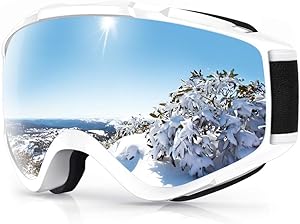
- Ventilation: Professional air-flow system reduces fogging
- Lens: Double lens, anti-scratch, anti-fog, Italian inner lens
- Design: Oversized OTG, frameless spherical lens
- Compatibility: Helmet compatible with silicone-backed non-slip strap
The findway Ski Goggles OTG are designed with professional ventilation to reduce fogging and optimize airflow over the inside of the lens. The double lens construction is anti-scratch, anti-fog, and impact resistant, with an inner lens made in Italy for long-lasting anti-fog performance. The frameless spherical lens and oversized OTG design create a super wide HD vision, allowing you to wear your glasses underneath comfortably.
These goggles are helmet compatible with a silicone-backed non-slip, widening high-density 3D jacquard extra-long strap. The premium TPU frame and triple-layer foam provide comfort, warmth, and breathability. Suitable for men, women, and youth, the findway Ski Goggles OTG come with a 1-year guarantee and 24/7 customer service, making them a reliable and affordable choice for skiing and snowboarding.
Pros:
- Excellent ventilation and anti-fog performance
- OTG design fits over glasses
- Wide HD vision with frameless spherical lens
- 1-year guarantee
Cons:
- Not suitable for kids under 12
- Limited color options
See the findway Ski Goggles OTG
8. SMITH Squad

- UV Protection: 100 percent
- Lens Shape: Cylindrical
- Frame Size: Medium
- Interchangeable Lenses: Yes, 1 additional lens included
The SMITH Squad snow goggles are designed to give you an unobstructed field of view from first chair to last run. The oversize ChromaPop lens enhances color and contrast, making it easier to read the terrain in varying light conditions. The cylindrical lens shape offers a classic look with reliable optics, and the medium frame size fits a wide range of faces comfortably.
These goggles are helmet compatible and feature an interchangeable lens system with one additional lens included. The standard bridge fit ensures a secure feel throughout the day, while the 100 percent UV protection keeps your eyes safe from harmful rays. Whether you are cruising groomers or exploring off-piste terrain, the SMITH Squad delivers dependable performance and optical clarity at a reasonable price point.
Pros:
- ChromaPop lens enhances contrast
- Interchangeable lens system
- Helmet compatible
- Oversize lens for wide view
Cons:
- Not polarized
- Cylindrical lens may not suit all preferences
9. EXP VISION Over-Glasses Ski Goggles

- Frame: Ultra-lightweight, detachable sponge padding
- Lens: Anti-fog coated, panoramic cylindrical lens
- Protection: 100% UV400 protection
- Compatibility: OTG friendly, adjustable helmet-compatible strap
The EXP VISION Over-Glasses Ski Goggles feature a detachable sponge frame that is easy to clean without scratching the lens, helping to refresh the goggles after heavy use. The panoramic cylindrical lens design provides super clear vision with less visual interference, making it easier to spot terrain details whether you are exploring backcountry trails or cruising resort slopes. The anti-fog coated lens resists moisture buildup, and strategic top and bottom vents promote consistent airflow.
These goggles offer complete UV400 protection, blocking harmful UVA and UVB rays to reduce eye fatigue on sun-reflective snow. The ultra-lightweight frame minimizes pressure on your face and reduces neck strain, while the OTG-friendly design fits comfortably over most prescription glasses. The adjustable strap accommodates any helmet, and the replaceable foam padding lets you customize the fit for different face shapes, extending the life of the goggles.
Pros:
- Detachable and replaceable foam padding
- Effective anti-fog and ventilation
- OTG friendly with helmet compatibility
- Ultra-lightweight for all-day comfort
Cons:
- Not polarized
- Limited lens color options
See the EXP VISION Over-Glasses Ski Goggles
10. Snowalva Ski Goggles
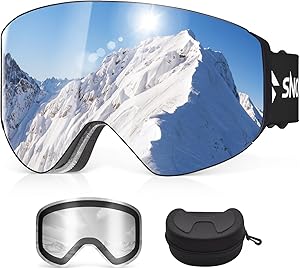
- Frame Type: Rimless
- Lens Coating: Anti-fog coating
- UV Protection: Yes
- Visible Light Transmission: 9 percent
The Snowalva Ski Goggles feature traditional cylindrical lenses that give you real vision on the slopes, helping you dodge misjudgments and keep your skiing game on point. The rimless frame design offers a modern look with a slim fit, while the anti-fog coating ensures clear vision during your run. With a visible light transmission of 9 percent, these goggles are best suited for bright, sunny conditions.
These goggles are compatible with snowmobiles, snowboarding, and skiing, and feature a buckle closure for a secure fit. The anti-fog coating and UV protection make them a reliable choice for winter sports enthusiasts. The slim fit type and positive fit-to-size sentiment suggest a comfortable, snug feel for most wearers. Whether you are shredding powder or nailing epic runs, the Snowalva Ski Goggles offer dependable performance at an accessible price.
Pros:
- Rimless design for modern look
- Anti-fog coating
- UV protection
- Secure buckle closure
Cons:
- Low light transmission limits use to bright days
- Not polarized or photochromic
How to Choose Ski Goggles for Women
Ski goggles are one of the most important pieces of gear you will ever buy. They protect your eyes from wind, snow, ice, and harmful UV rays. They also help you see the terrain clearly so you can ski or snowboard safely. But finding the right pair can feel confusing, especially with so many shapes, lens types, and price points on the market. Women often have specific fit needs, from smaller face sizes to hairstyles and helmet compatibility. This guide walks you through everything you need to know to choose the best ski goggles for women.
Why Women Need Different Goggles
Many ski goggles are designed with a unisex fit. That works for some people, but women often have narrower faces, smaller nose bridges, and different cheekbone structures. A goggle that is too wide can let cold air in, while one that is too tall can push against the helmet or slide down. Women-specific or small-frame goggles are designed to solve these problems. They sit closer to the face, seal better, and feel more comfortable over long days on the mountain.
Another factor is hair. Women with long hair often wear it under a helmet or in a ponytail. A goggle strap that is too tight or too narrow can pull hair or create pressure points. Look for a wide, elastic strap with silicone grip on the inside. This keeps the goggles in place without tugging.
Frame Size and Fit
Fit is the number one thing to get right. If your goggles do not fit well, no amount of fancy lens technology will help. Here is what to check:
- Frame size: Small, medium, and large are common. Women with petite faces should start with small or women-specific frames.
- Bridge fit: Standard bridge fit works for most. Low-bridge fit is better if you have a flatter nose bridge.
- Face seal: The foam should press gently against your skin all the way around. No gaps means no cold air and no fog.
- Helmet compatibility: The goggle frame should sit flush with your helmet brim. There should be no gap between the top of the goggles and the helmet.
Try goggles on with your helmet if possible. If you shop online, read reviews from women with similar face shapes. Many brands list the frame size clearly, so you can compare.
OTG (Over-The-Glasses) Fit
If you wear prescription glasses, you need OTG goggles. These have extra space inside the frame so your glasses fit underneath without pressing into your face. OTG goggles also have deeper frames and sometimes cutouts in the foam for temple arms. Not all OTG goggles work with all glasses, so check the internal dimensions if you can. A bad OTG fit can cause fogging and pressure headaches.
Lens Shape and Vision
Lens shape affects how much you can see and how the goggles look. There are two main types:
| Lens Shape | Field of View | Look | Best For |
|---|---|---|---|
| Cylindrical | Good, slightly flatter | Classic, retro | Beginners, budget buyers |
| Spherical | Wider, more natural | Sleek, modern | Intermediate to advanced riders |
Spherical lenses curve both horizontally and vertically. They mimic the shape of your eye and offer better peripheral vision. They also tend to have less distortion. Cylindrical lenses curve only one way. They are usually cheaper and still work well for many skiers.
Frameless designs are also popular. These lenses attach directly to the frame with no visible rim. They offer a very wide field of view and a modern look. However, they can be more expensive and may be less durable if you drop them.
Lens Technology and Light Conditions
The lens is where you will see the biggest differences in price and performance. Here is what to know:
Visible Light Transmission (VLT)
VLT is the percentage of light that passes through the lens. A lower VLT means a darker lens. Here is a simple guide:
- 0–20% VLT: Very dark. Best for bright, sunny days.
- 20–50% VLT: Medium. Good for mixed conditions and partly cloudy days.
- 50–80% VLT: Light. Best for overcast, snowy, or low-light days.
- 80–100% VLT: Clear or nearly clear. Best for night skiing or deep shade.
Most women should start with a medium lens and buy a second lens for low light. Many goggles now come with two lenses included, which is a great value.
Anti-Fog and Ventilation
Fogging is the most common complaint about ski goggles. It happens when warm, moist air from your face meets the cold lens. To fight fog, look for:
- Dual-layer lenses: Two lenses with a sealed air gap. This insulates and reduces fog.
- Anti-fog coating: A chemical treatment on the inner lens. It absorbs moisture, but it can wear off over time.
- Ventilation: Top and bottom vents let air flow through. Foam-covered vents keep snow out.
Never wipe the inside of your lens with your gloves or a tissue. That scratches the anti-fog coating and makes fogging worse. Shake the goggles or let them air dry instead.
UV Protection
Snow reflects up to 80% of UV rays. Without protection, your eyes can get sunburned. This is called snow blindness, and it is painful. Always choose goggles with 100% UV400 protection. This blocks both UVA and UVB rays. Almost all modern ski goggles offer this, but check the label to be sure.
Polarized vs. Non-Polarized
Polarized lenses reduce glare from snow and ice. They can be great for bright days. However, some skiers say polarized lenses make it harder to see icy patches because they cut too much contrast. For most women, non-polarized lenses with good contrast technology are the better choice. If you ski mostly on sunny groomers, polarized can be a nice upgrade.
Photochromic Lenses
Photochromic lenses change darkness automatically as light changes. They are convenient because you do not need to swap lenses. However, they are usually more expensive and may not get dark enough for very bright days. They also can be slow to change in cold temperatures.
Interchangeable Lenses
Many high-end goggles let you swap lenses in seconds. This is perfect if you ski in changing conditions. You can start with a dark lens in the morning and switch to a light lens when clouds roll in. Look for a magnetic system or a simple tab system. Magnetic lenses are fast but can pop off in a crash. Tab systems are more secure but take a bit longer to change. If you buy interchangeable goggles, make sure an extra lens is included or available at a fair price.
Helmet Compatibility
Most women wear a helmet while skiing. Your goggles should work with your helmet, not against it. Here is what to check:
- No gap: The top of the goggles should touch the helmet brim. A gap lets cold air in and can cause fog.
- Strap length: The strap should be long enough to go around the helmet with room to adjust.
- Strap grip: Silicone lines on the inside of the strap keep it from sliding up or down.
- Side clips: Some helmets have clips for goggle straps. These keep the strap in place.
If you wear a helmet with a visor, make sure the goggles fit under the visor. Some visors are too low and push the goggles down.
Frame Materials and Durability
Most goggle frames are made from TPU (thermoplastic polyurethane). This material is flexible, lightweight, and cold-resistant. It bends without breaking and returns to shape. Cheaper frames may use PVC, which gets stiff in cold weather and can crack. The foam is also important. Triple-layer foam is the most comfortable and durable. It has a soft layer against your face, a medium layer for cushioning, and a firm layer for structure.
Style and Color
Style matters. You want goggles that look good and match your gear. Women’s goggles come in many colors, from bright neons to soft pastels to classic black and white. Mirror coatings add a bold look and also reduce glare. But do not let style be your only guide. Fit and lens quality come first. A beautiful goggle that fogs up or hurts your face will ruin your day.
Budget and Value
Ski goggles range from about $30 to over $300. Here is what you get at each price point:
| Price Range | What to Expect |
|---|---|
| $30–$60 | Basic cylindrical lens, single or dual layer, limited colors, no extra lens |
| $60–$120 | Better anti-fog, spherical lens options, some OTG, maybe one extra lens |
| $120–$200 | ChromaPop or similar contrast tech, interchangeable lenses, premium foam |
| $200–$300+ | Top-tier optics, magnetic lens swaps, frameless design, multiple lenses included |
You do not need to spend a fortune. A mid-range goggle from a reputable brand will serve most women well. Spend more if you ski often, need OTG, or want the best optical clarity.
How to Care for Your Goggles
Good care extends the life of your goggles. Follow these simple tips:
- Store goggles in a soft pouch or case. Do not throw them loose in your bag.
- Never wipe the inside lens. Let it air dry.
- Clean the outside lens with a soft cloth and lukewarm water. Do not use harsh chemicals.
- Do not leave goggles on your car dashboard or near a heater. Heat damages the lens and foam.
- Replace lenses when they get scratched or the anti-fog coating stops working.
Final Checklist Before You Buy
Before you click buy, run through this checklist:
- Does the frame size match my face? Small or women-specific for petite faces.
- Do I need OTG for glasses?
- What VLT do I need for the conditions I ski most?
- Is the lens anti-fog and dual-layer?
- Does it offer 100% UV400 protection?
- Will it fit my helmet without a gap?
- Does it come with an extra lens or can I buy one?
- Is the price fair for the features?
Choosing ski goggles for women does not have to be hard. Focus on fit first, then lens quality, then features like interchangeable lenses. With the right pair, you will stay warm, see clearly, and enjoy every run from first chair to last call.