Best Ski Pants for Women of 2027
Choosing the right ski pants can make your time on the slopes more comfortable and enjoyable. The best ski pants for women keep you warm, dry, and protected from cold winds and snow. They should also offer a good fit and allow easy movement while skiing. With many styles and features available, finding the right pair can be difficult. This guide covers some of the best women’s ski pants to help you choose the right option for your needs.
1. REI Co-op Powderbound

- Waterproofing: 2-layer Peak laminate
- Insulation: 40 g synthetic polyester
- Fabric: Bluepass certified nylon
- Inseam: 29.5 or 32 inches
The REI Co-op Powderbound insulated snow pants are built for skiers who want dependable resort comfort without a premium price tag. The 2-layer Peak laminate blocks wind and moisture while still letting heat escape, and the 40 g synthetic insulation adds warmth for cold chairlift rides. Bluepass certified fabrics make them a thoughtful choice too.
Powder cuffs seal out snow around your boots, and two inseam options help you find a better fit. At about 1 lb. 6.6 oz., they feel lighter than many insulated rivals, which keeps long days on the hill comfortable. They suit beginners and regular skiers who want simple, protective pants.
Pros:
- Windproof and waterproof
- Lightweight with powder cuffs
Cons:
- Only two inseam lengths
- Insulation may feel light in extreme cold
2. Arctix Insulated Snow Pants

- Fabric: 94% polyester, 6% spandex
- Closure: Zipper
- Care: Machine washable
- Type: Insulated snow pants
The Arctix insulated snow pants are a budget-friendly option for casual skiers, sledding trips, and winter errands alike. The polyester and spandex blend gives the fabric a stretchy feel, so bending, climbing, and moving around in the snow feels natural. A zipper closure keeps the fit simple, and machine washing makes cleanup easy after muddy days.
These pants focus on practical warmth and everyday comfort rather than high-end technical features. They are a good pick if you ski only a few times each season and want something affordable that handles cold weather. Serious backcountry users may want more detailed waterproof and breathability ratings than the listing provides.
Pros:
- Affordable and stretchy
- Easy to machine wash
Cons:
- Limited technical details
- Not ideal for heavy, frequent use
3. Helly Hansen Legendary

- Insulation: PrimaLoft Black 60 g
- Fabric: Helly Tech Performance, 2-way stretch
- Seams: Fully seam sealed
- Ventilation: Mechanical zippers plus mesh
The Helly Hansen Legendary insulated pants bring serious performance to resort days. Helly Tech Performance fabric, a DWR treatment, and fully sealed seams keep moisture out, while 60 g PrimaLoft Black insulation provides dependable warmth. The two-way mechanical stretch fabric and articulated knees let you move freely through turns and long lift lines.
Ventilation zippers with mesh lining help you cool down on warm afternoons, and reinforced lower legs add durability against ski edges. Zippered hand and back pockets keep essentials secure, and the adjustable waist fine-tunes the fit. As a Bluepass product that is also SKI FREE eligible, they offer strong value for frequent skiers.
Pros:
- Excellent ventilation options
- Great mobility and secure pockets
Cons:
- Higher price than basic pants
- May feel warm on spring days
View at REI View at Helly Hansen
4. Arc’teryx Sentinel
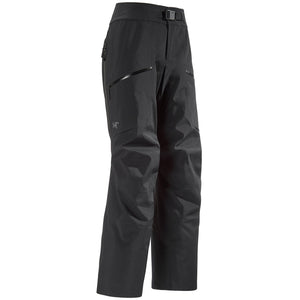
- Material: GORE-TEX ePE
- Construction: 3 layer, fully taped seams
- Waterproof rating: 28000mm
- Insulation: None (uninsulated shell)
The Arc’teryx Sentinel pants are a premium uninsulated shell designed for skiers who prefer to control warmth with their own layers. GORE-TEX ePE construction with three layers and fully taped seams delivers top-tier weather protection, backed by a 28000mm waterproof rating that handles heavy snow and wet conditions with confidence.
Breathability reaches 25000g, so you stay comfortable during uphill efforts or fast resort laps. The regular fit and regular length suit most riders, and layering underneath lets you adapt from mild spring days to deep winter storms. They cost more than insulated options, but the durability and versatility justify the investment.
Pros:
- Outstanding waterproofing and breathability
- Versatile layering system
Cons:
- No built-in insulation
- High price
5. The North Face Freedom Insulated

- Shell: DryVent 2L recycled nylon with elastane
- Insulation: 60 g Heatseeker synthetic
- Finish: Non-PFC DWR
- Inseam: 30, 32, or 34 inches
The North Face Freedom Insulated snow pants are made for full days at the resort and beyond. The DryVent 2L shell is waterproof and breathable, while 60 g Heatseeker insulation made from recycled polyester keeps you warm when the temperature drops. Elastane in the shell adds a little stretch for easier movement.
Improved construction, elevated trims, and an enhanced fit make this updated version feel refined. Tougher kickpatches protect the hems from boot and edge wear, and the side cargo pockets store essentials. Three inseam lengths make it easier for taller and shorter skiers to find a proper fit, and the non-PFC DWR finish is a plus for eco-minded buyers.
Pros:
- Three inseam options
- Durable kickpatches and recycled materials
Cons:
- Insulation may be warm for spring skiing
- Mid-to-premium price
6. Patagonia Powder Town

- Shell: H2No 2-layer recycled polyester
- Insulation: 60 g Thermogreen
- Safety: RECCO reflector
- Inseam: 30 or 32 inches
The Patagonia Powder Town insulated snow pants combine dependable storm protection with a strong environmental focus. The H2No Performance Standard shell is made from 100% postconsumer recycled polyester with a DWR finish, keeping wind and moisture out. Inside, 60 g Thermogreen insulation provides steady warmth without making the pants feel overly bulky.
Powder cuffs stop snow from creeping into your boots, and the built-in RECCO reflector adds a valuable safety feature for resort and sidecountry skiing. The recycled taffeta lining feels smooth over base layers. At roughly 1 lb. 7.98 oz., they are slightly heavier than some rivals, but the build quality and brand reputation make them a trusted choice.
Pros:
- RECCO reflector for added safety
- Fully recycled fabrics and insulation
Cons:
- Slightly heavier than some options
- Only two inseam lengths
7. Columbia Bugaboo III

- Waterproofing: Omni-Tech, critically seam sealed
- Lining: Omni-Heat Reflective taffeta
- Insulation: 60 g Microtemp XF II
- Inseam: 29 or 31 inches
The Columbia Bugaboo III snow pants are storm-ready pants made for long days on the hill. Omni-Tech waterproof and breathable fabric with critically seam-sealed construction keeps you dry in wet snow, while the windproof build blocks harsh gusts on exposed lifts. A thermal-reflective Omni-Heat lining helps retain your body heat.
Combined with 60 g Microtemp XF II insulation, the lining makes these pants noticeably warm for the price. Powder cuffs keep snow out of your boots, and the polyester shell feels durable enough for regular use. They are an easy recommendation for skiers who want reliable warmth and weather protection without paying for a top-tier brand.
Pros:
- Warm reflective lining
- Good value with powder cuffs
Cons:
- Limited inseam choices
- Less stretch than some competitors
8. Heathyoga Ski Pants

- Structure: 3-layer softshell, waterproof and windproof
- Interior: Soft fleece lining
- Pockets: 2 side pockets, 1 leg pocket
- Details: YKK zippers, ankle zipper openings
The Heathyoga ski pants are a softshell option that adds warmth without bulk. The 3-layer structure is waterproof and windproof, and the soft fleece interior holds in heat while feeling comfortable against the skin. Ankle zipper openings make it easier to pull the pants over ski boots and help keep snow and wind out.
Three pockets with YKK zippers store your essentials securely, and reinforced knees allow comfortable stretching. The 3D-cut mid-waist and elastic belt give a snug fit, while Oxford cloth on the lower legs resists scratches and tears. These pants also work for hiking, camping, and mountaineering, making them a flexible budget-friendly pick.
Pros:
- Warm fleece lining without bulk
- Versatile for many winter activities
Cons:
- Semi-sealed structure, not fully sealed
- Size chart check needed before ordering
How to Choose Ski Pants for Women
Few pieces of gear can make or break a day on the mountain quite like a pair of ski pants. Unlike a jacket that you can unzip on the lift or a pair of goggles you can swap at lunch, your ski pants are a constant companion from the first chair to the final run. For women, the challenge is particularly nuanced: the market is flooded with options that claim to do it all, yet finding a pair that balances technical performance with a flattering, functional fit often feels like searching for a needle in a haystack. Whether you are a fair-weather resort cruiser, a dedicated storm skier, or a backcountry tourer, understanding the specifications behind the fabric and the cut is essential to staying dry, warm, and comfortable. This guide breaks down the critical factors—from waterproof ratings to pocket placement—that will help you navigate the purchasing process with confidence.
Understand the Core Construction: Shell vs. Insulated
Before you look at brands or colors, you must decide on the fundamental architecture of the pant. Your choice here dictates how you layer and the conditions in which the pant will perform best.
Shell Pants (Uninsulated)
Shell pants are exactly what they sound like: a protective outer layer with no built-in insulation. They rely entirely on the base layers and mid-layers you wear underneath to provide warmth. This versatility is a major advantage for women who run hot or who ski in variable temperatures. Shells allow you to fine-tune your warmth by adding or removing fleece leggings or down shorts. Shells are also the preferred choice for backcountry skiers and side-country enthusiasts because they offer superior breathability during the uphill skin, preventing you from overheating and soaking your layers in sweat. If you ski primarily in spring conditions, or if you are a highly active skier who generates a lot of body heat, a shell is often the most practical investment.
Insulated Pants
Insulated pants feature a synthetic fill sewn into the garment. They are designed for skiers who feel the cold intensely, particularly on chairlift rides where wind chill is a factor. For resort skiers who prioritize convenience and warmth over extreme versatility, an insulated pant is often the simplest solution. A moderate fill weight, such as 60 grams of synthetic insulation, is generally sufficient for cold resort days with just a light base layer. However, be wary of over-insulation. If you are skiing in milder climates or doing a lot of hiking, a heavily insulated pant can cause you to overheat and sweat, which eventually leads to feeling cold and damp. For a middle ground, look for pants with targeted insulation, which places a modest amount of fill only on the backside and knees where it is needed most, leaving the rest of the leg uninsulated for breathability.
Decode Waterproofing and Breathability Ratings
The numbers on the hangtag are not just marketing jargon; they are critical indicators of how the fabric will perform in wet snow, rain, or high-exertion activities. These ratings are typically expressed as two numbers (e.g., 20K/20K).
The Waterproof Rating (The First Number)
This number, measured in millimeters (mm), indicates how much water pressure the fabric can withstand before moisture seeps through. A higher number means better protection.
- 10,000 mm: This is generally considered the baseline for reliable ski pants. It offers solid protection against average snow and moderate wind, suitable for most resort skiers.
- 20,000 mm and above: These pants are highly waterproof and are designed for storm days, wet snow, or sitting on a snow-covered chairlift. If you ski frequently in the Pacific Northwest or during heavy storm cycles, a 20K rating is a worthwhile investment.
The Breathability Rating (The Second Number)
This number, measured in grams (g), indicates how much moisture vapor can escape from inside the pant in a 24-hour period. A common mistake is to focus only on waterproofing; however, if a pant cannot breathe, your sweat will condense inside, leaving you clammy and cold regardless of how waterproof the shell is.
- 10,000g – 15,000g: Adequate for lift-served skiing where you are not generating excessive metabolic heat.
- 20,000g and above: Essential for backcountry skiing or aggressive resort skiing. High breathability allows moisture vapor to escape before it turns into liquid, keeping your base layers dry.
Prioritize Fit and Mobility Features
Women’s ski pants have evolved significantly from the unisex “sausage casing” designs of the past. Today, fit is a key differentiator, with brands offering articulated knees, adjustable waists, and stretch fabrics to accommodate a range of body types and athletic movements.
Articulation and Stretch
Look for pants with articulated knees—a pattern cut that pre-bends the fabric at the knee. This prevents the pant from pulling tight when you flex forward into a ski stance. Additionally, four-way stretch fabrics are a game-changer for comfort. Highly forgiving three-layer stretch fabrics accommodate muscular quads and curvier hips without feeling restrictive. If you have athletic thighs, prioritize pants with gusseted crotches or high stretch content to avoid a tight, binding fit.
Waist and Suspender Systems
A secure waist is non-negotiable. Many pants now feature external Velcro tabs or internal elastic adjustments to dial in the fit, which is especially helpful if you are between sizes. If you prefer bibs, look for models with adjustable suspenders that do not dig into your shoulders. Testers have praised designs with self-equalizing cam locks or wide, soft straps that distribute pressure evenly.
Venting
If you tend to run warm, or if you plan to ski in the spring, ventilation is critical. Look for thigh vents with two-way zippers. Some higher-end models feature two-way vents on both the inner and outer thigh for maximum airflow. A small but important detail: ensure the vents have a mesh backing to prevent snow from entering if you fall, though some pure backcountry pants omit the mesh for maximum breathability.
Evaluate Practical Features and Details
The difference between a good ski pant and a great one often comes down to the small details that enhance convenience and durability.
Pockets and Storage
Ski pants need functional pockets, not just decorative ones. The most common complaint among female testers is pockets that are too shallow to hold a modern smartphone. Look for thigh pockets that are specifically designed to fit a large phone or a ski pass. Some pants feature massive fleece-lined pockets that are excellent for keeping electronics warm and accessible. If you ski in the backcountry, a designated beacon pocket with a leash clip is essential.
Bathroom Breaks
For bib wearers, the drop seat or side-zip feature is a game-changer. Traditional bibs require you to unzip your jacket and wrestle the suspenders off your shoulders to use the restroom. Modern designs incorporate a side zip or a drop-seat design that allows for quick bathroom breaks without removing your jacket or layers.
Durability and Protection
Ski edges are sharp, and chairlifts are abrasive. Reinforced cuffs—often called kick patches or scuff guards—are essential for preventing premature wear at the hem. High-denier fabric patches at the knees and inner ankles will significantly extend the life of your pants. Additionally, internal gaiters with elastic grips are crucial for sealing out snow on powder days, especially if you ski in deep snow or fall frequently.
Comparison of Key Features by Ski Style
To simplify the decision-making process, the following table summarizes the priorities for different types of skiers.
| Ski Style / Priority | Recommended Construction | Key Waterproof/Breathability | Must-Have Feature |
|---|---|---|---|
| Resort Cruiser / Fair Weather | Lightly Insulated or Shell with layers | 10K / 10K is sufficient | Comfortable fit and hand pockets |
| Cold Weather / Lift Rider | Insulated (60g+ synthetic fill) | 15K / 15K or higher | Targeted insulation on seat/knees |
| Storm Skier / Deep Snow | Shell (for layering) or lightly insulated | 20K / 20K or higher | Powder gaiters and fully taped seams |
| Backcountry / Touring | Uninsulated Shell (Softshell or 3L) | 20K / 20K (High breathability) | Large thigh vents and beacon pocket |
Final Considerations: Sizing and Care
When in doubt, check the specific brand’s size guide and read reviews regarding sizing inconsistencies. Several popular models have been noted by testers to run small or require sizing up for curvier body types.
Finally, remember that technical gear requires technical care. To maintain the water-repellent finish (DWR) on your pants, you should regularly wash them with a technical detergent (avoiding fabric softeners) and tumble dry on low heat to reactivate the coating. This simple maintenance step ensures that your investment continues to bead water and breathe effectively season after season.