Best Ski Goggles Under $200 [2026 Updated]
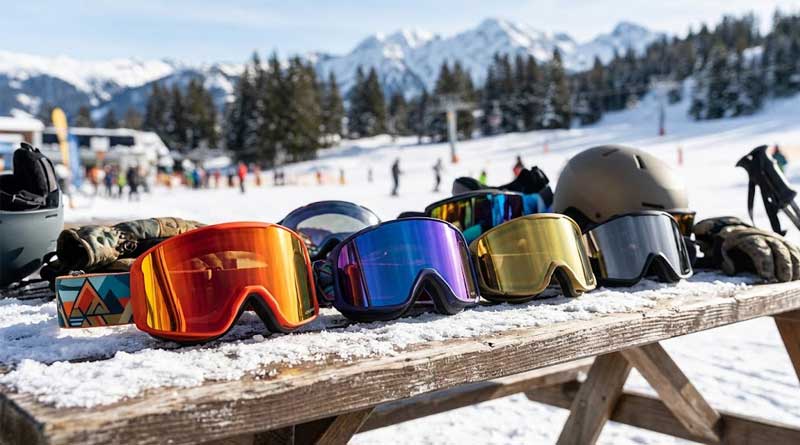
Finding high-performance ski goggles under $200 no longer requires compromising on optical clarity, comfort, or fog resistance. Modern lens technologies, dual-layer thermal barriers, and specialized anti-fog coatings have made premium slope visibility accessible at budget-friendly prices. Whether you require over-the-glasses compatibility, quick-change magnetic systems, or spherical wide fields of view, quality eyewear protects your vision and enhances performance. This comprehensive guide reviews eight top-rated budget goggles available today and details key features to evaluate when purchasing your next pair for winter sports.
1. OutdoorMaster OTG

- Design style: Over-the-glasses fit for adults and youth.
- Lens tech: Dual-layer anti-fog with UV400 protection.
- Frame build: Soft durable TPU construction.
- Strap type: Extra-long elastic helmet strap.
The OutdoorMaster OTG offers exceptional value for skiers and snowboarders who wear prescription glasses. Its spacious frame easily fits over optical frames without causing uncomfortable pressure points against your face during long ski sessions.
The dual-layer lens technology effectively prevents fog buildup during cold mountain runs, while full UV400 protection keeps eyes safe from glare. It serves as an accessible entry point for winter enthusiasts.
Pros: Comfortable glasses fit, reliable fog resistance, budget friendly.
Cons: Manual lens swapping takes extra time.
2. SMITH Squad

- Lens technology: ChromaPop contrast enhancing optics.
- Frame design: Semi-rimless responsive fit build.
- Strap feature: Ultra-wide silicone-backed strap.
- Integration: Seamless pairing with snowsports helmets.
The Smith Squad goggles deliver premium optical clarity through signature ChromaPop lens technology. By enhancing contrast and natural colors, these goggles allow riders to spot subtle terrain shifts and icy patches instantly across bright slopes.
A sleek semi-rimless frame offers an expansive field of view, while fog-free venting and moisture-resistant coatings keep optics clear during intense alpine riding throughout changing weather conditions.
Pros: Outstanding color contrast, sleek look, secure silicone strap.
Cons: Fixed lens mechanism requires effort.
3. Snowalva Ski Goggles

- Lens system: Magnetic dual detachable lens.
- Protection: UV400 anti-fog inner barrier.
- Included extras: Two interchangeable weather lenses.
- Fit profile: Unisex sizing for men and women.
Snowalva ski goggles offer tremendous versatility by including two magnetic lenses directly in the package. This convenient magnetic system allows you to swap lenses in seconds when weather conditions suddenly shift on the slopes.
Both lenses feature reliable UV400 filtering and dual-layer anti-fog protection to ensure clear, uninterrupted vision. It remains an excellent budget option for skiers facing variable light across winter days.
Pros: Fast magnetic lens changes, includes two lenses, great value.
Cons: Frame feels slightly stiff on cold days.
4. ZIONOR X Ski Goggles

- Lens design: Panoramic view with EDT impact tech.
- Glasses fit: Dedicated OTG prescription frame support.
- Protection: Optimized anti-fog and UV protection.
- Compatibility: Curved frame for secure helmet fit.
The ZIONOR X features a panoramic curved design that grants skiers an impressive wide-angle view of slopes. Built-in Enhanced Durability Tech protects the ruggedized lens against impacts from accidental drops or stray branches.
With dedicated OTG cutouts, these goggles comfortably accommodate prescription glasses underneath. They maintain reliable fog protection and solid helmet integration during high-speed downhill riding across varying terrain.
Pros: Durable impact protection, wide panoramic field, reliable OTG sizing.
Cons: Outer lens smudges easily.
5. 100% STRATA 2
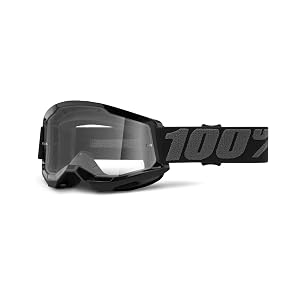
- Foam layer: Ultra-thick double-layer moisture face foam.
- Lens type: Clear impact-resistant polycarbonate lens.
- Tear-off support: Supports triple post tear-offs.
- Frame seal: Enhanced facial fitment and wide view.
Engineered for active winter sports and downhill riding, the 100% STRATA 2 focuses on facial comfort and secure sealing. Its thick double-layer face foam effectively absorbs sweat while keeping cold mountain air out.
The durable polycarbonate lens offers crisp optical clarity and dependable safety against debris, making it a rugged, entry-level choice for budget riders requiring basic protection on snowy trails.
Pros: Superior sweat management, rugged build quality, affordable price.
Cons: Basic aesthetic options without flash tints.
6. Juli Ski Goggles
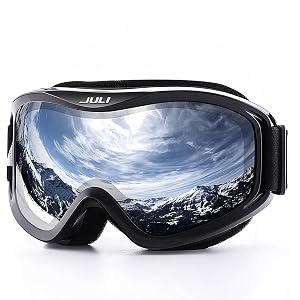
- Airflow tech: Professional directional ventilation system.
- Eye safety: Complete UVA and UVB UV400 blocking.
- Strap build: Extra-long padded adjustable elastic strap.
- Versatility: Suitable for skiing, snowboarding, and snowmobiling.
Juli ski goggles feature an engineered ventilation design that channels fresh air across the inner lens to eliminate moisture. This continuous airflow prevents inner fogging during high-energy activity on cold days.
Full UV protection shields eyes from harmful radiation, while the versatile padded strap fits comfortably around helmets, making them a solid choice for multi-sport winter enthusiasts across all ages.
Pros: Excellent airflow channels, multiple color options, comfortable strap.
Cons: Face foam compresses after heavy usage.
7. OutdoorMaster Ski Goggles PRO

- Lens shape: Large spherical frameless design.
- Lens swap: Interchangeable quick magnetic mechanism.
- Protection: Anti-fog coated lens with UV400 rating.
- Compatibility: OTG support with universal helmet strap.
The OutdoorMaster PRO elevates budget eyewear by featuring a sleek, frameless spherical lens. This advanced geometry provides an unobstructed peripheral view across winter landscapes without causing optical distortion along edges.
Its quick-swap magnetic system allows easy changes between bright daylight and low-light lenses, while full OTG compatibility provides ample space for prescription glasses underneath during long runs on the mountain.
Pros: Broad spherical view, rapid magnetic lens swaps, protective case.
Cons: Additional lenses must be bought separately.
8. findway Ski Goggles OTG

- Lens quality: Italian inner lens with REVO coating.
- Ventilation: Smooth directional airflow with anti-scratch coating.
- Frame build: Premium TPU frame with triple-layer foam.
- Strap type: Non-slip silicone-backed 3D jacquard strap.
Findway OTG goggles combine high-grade Italian inner lenses with full REVO reflective coatings for impressive clarity. The integrated dual-ventilation system exhausts internal moisture efficiently to maintain clear, fog-free vision.
Equipped with plush triple-layer face foam and a silicone-backed non-slip strap, these goggles stay comfortably in place while delivering maximum warmth and wind protection during harsh freezing conditions.
Pros: High-quality Italian optics, plush triple-layer foam, anti-slip strap.
Cons: Frame feels slightly large on smaller faces.
How to Choose the Best Ski Goggles Under $200
Selecting the right pair of ski goggles for under $200 requires balancing optical technology, frame comfort, weather versatility, and durability. With recent advancements in manufacturing, sub-$200 goggles now incorporate high-grade features once reserved for professional gear. Understanding these key components ensures you select eyewear that keeps your vision crisp and your eyes protected in all mountain conditions.
1. Lens Shape Geometry
Goggle lenses come in three primary shapes, each offering distinct visual characteristics and aesthetic profiles. Choosing the right geometry affects peripheral vision, glare reduction, and fog resistance on the slopes.
Cylindrical Lenses
Cylindrical lenses curve horizontally across your face while remaining flat vertically. They represent the classic goggle aesthetic and are commonly found in entry-level and mid-range budget goggles. While they offer good optics at a lower price point, they can produce minor glare and slight distortion at the extreme top and bottom edges of your field of view.
Spherical Lenses
Spherical lenses curve both horizontally and vertically, mimicking the natural curvature of the human eye. This design significantly reduces optical distortion, provides an expansive peripheral view, and increases internal air volume between your face and the lens, which drastically minimizes the likelihood of fogging during intense runs.
Toric Lenses
Toric lenses combine the benefits of spherical and cylindrical designs by curving less vertically than spherical lenses while retaining horizontal curvature. This offers exceptional optical clarity with reduced frame bulk, providing a sleek profile that maximizes visual space near the upper budget limit.
2. Visible Light Transmission (VLT) and Tint Selection
Visible Light Transmission (VLT) measures the percentage of ambient light that passes through the lens to your eyes. Choosing the appropriate VLT rating depends heavily on the weather and sunlight conditions you anticipate encountering on the mountain.
- Category 0 (80% – 100% VLT): Designed for night skiing, extreme fog, and heavy snowstorms. These lenses are clear or lightly tinted to maximize available light in low-visibility environments.
- Category 1 (43% – 80% VLT): Ideal for overcast days, flat light conditions, and dense fog. Yellow, amber, or light rose tints help highlight snow surface contours and texture.
- Category 2 (18% – 43% VLT): Perfect for variable conditions with mixed sun and clouds. Bronze, copper, or medium rose lenses offer excellent all-around versatility.
- Category 3 (8% – 18% VLT): Tailored for bright, sunny conditions. Dark gray, brown, or heavily mirrored lenses block intense glare and reduce eye fatigue.
- Category 4 (3% – 8% VLT): Formulated for high-altitude glacier conditions and extreme sun exposure where severe light reduction is necessary.
| Light Category | VLT Range | Weather Conditions | Recommended Tint |
|---|---|---|---|
| Category 0 | 80% – 100% | Night Skiing, Heavy Fog | Clear, Very Pale Yellow |
| Category 1 | 43% – 80% | Overcast, Flat Light, Snowing | Yellow, Amber, Light Rose |
| Category 2 | 18% – 43% | Partly Cloudy, Mixed Light | Copper, Rose, Medium Bronze |
| Category 3 | 8% – 18% | Bright Sun, Clear Skies | Dark Gray, Brown, REVO Mirror |
| Category 4 | 3% – 8% | Glacier, Extreme Sun Glare | Dark Mirrored Tints |
3. Lens Coatings and Enhancement Technologies
Advanced lens technologies drastically improve how you perceive terrain depth and details under challenging alpine lighting conditions.
Contrast Enhancing Optics
Proprietary optic technologies filter out specific wavelengths of light to boost contrast and color definition. This allows skiers to read subtle contours in whiteout snow, identify hidden ice patches early, and navigate moguls safely.
Mirror and Anti-Reflective Coatings
Full REVO mirror coatings reflect excess sunlight away from the lens, reducing glare and eye strain on clear days. Anti-reflective interior coatings prevent bright reflections from bouncing back into your eyes from inside the frame.
UV400 Protection
High altitudes expose skiers to elevated levels of ultraviolet radiation magnified by snow reflection. Quality goggles must provide 100% protection against UVA, UVB, and UVC rays to safeguard long-term eye health.
4. Anti-Fog Systems and Ventilation
Fogging is the primary challenge facing winter sports eyewear. Modern anti-fog systems combine physical air management with chemical lens treatments to keep vision clear.
Dual-Layer Lens Construction
Dual lenses act like double-pane thermal windows, creating an insulated air barrier between cold outside temperatures and warm moisture generated inside the frame by body heat.
Hydrophilic Inner Coatings
Specialized hydrophilic coatings applied to the inner lens surface absorb condensation before water droplets can form, maintaining optical transparency during intense physical effort.
Perimeter Frame Venting
Top and bottom frame vents covered with porous foam channel continuous airflow across the inside of the goggle. Proper venting balances internal temperatures while blocking cold wind and powder snow.
5. Frame Construction and Facial Fit
A comfortable frame seal prevents cold air leakage, pressure points, and skin irritation over long days on the mountain slopes.
Flexible TPU Material
Thermoplastic polyurethane (TPU) frames remain pliable in extreme freezing temperatures, allowing the goggle frame to conform dynamically to your unique face contours without cracking or shifting.
Multi-Layer Face Foam
Triple-layer foam configurations combine dense base foam for structural stability, soft open-cell foam for cushioning, and a moisture-wicking fleece layer against the skin for dry, plush comfort.
Over-The-Glasses (OTG) Design
Skiers who wear prescription eyewear should select dedicated OTG models. These feature side frame cutouts and extra interior depth, allowing optical frames to fit neatly without pressing against temples or the nose bridge.
6. Helmet Compatibility and Strap Design
Goggles and helmets must integrate seamlessly to eliminate cold air gaps and ensure proper stability during high-speed downhill runs.
- Curved frame arch: Aligns flush with the front brim of standard snow helmets to eliminate the cold forehead gap.
- Extra-long elastic straps: Provide sufficient extension to stretch easily over large helmet shells without over-tightening.
- Silicone backing: Dual or triple interior silicone beads grip smooth helmet surfaces, preventing straps from slipping during active movement.
- Dual-slide adjustment: Enables quick, symmetric sizing adjustments around the back of the helmet.
7. Lens Interchangeability Systems
Being able to swap lenses allows you to adapt quickly to changing mountain weather without purchasing multiple pairs of goggles.
Magnetic Snap Systems
Rare-earth magnets positioned along the frame rim allow fast, instant lens changes directly on the mountain without removing your gloves.
Mechanical Latch Systems
Physical clip or lever locks hold lenses securely in place, preventing accidental displacement during high-impact falls while offering reliable lens retention.
8. Goggle Care and Maintenance Guidelines
Proper maintenance extends the lifespan of your goggles and protects fragile inner anti-fog coatings from permanent damage.
- Air dry thoroughly: Always let goggles air dry completely at room temperature after skiing before storing them away. Never place them near direct heat sources like heaters or fireplaces.
- Avoid wiping wet inner lenses: The anti-fog layer softens when damp. Wiping a wet inner lens can scrape away the delicate coating. Dab gently with a soft microfiber pouch if needed.
- Clean outer lenses properly: Use microfiber bags or specialized lens cloths combined with mild soap and clean water to clear dirt, sweat, or fingerprints.
- Store in protective cases: Use rigid storage cases or micro-fiber sleeves to shield lenses from scratches during transport in gear bags.
9. Summary Checklist for Buyers
Before making your final purchase under $200, review this essential checklist to ensure your selected goggles meet all mountain requirements:
- Verify 100% UV400 protection rating for complete eye safety.
- Ensure VLT tint matches your typical skiing hours and weather conditions.
- Check for OTG compatibility if wearing prescription glasses.
- Confirm silicone-backed straps for secure, non-slip helmet integration.
- Look for dual-layer lenses paired with perimeter ventilation for complete fog resistance.