Best Backcountry Ski Bindings of 2026
Choosing the right backcountry ski bindings can make or break a day in the mountains. Whether you are chasing fresh powder in the sidecountry or committing to a full-day skin track, your bindings need to balance reliable release values, secure retention, and manageable weight. Below, we review eight of the most trusted backcountry-capable bindings on the market today, followed by a detailed guide to help you choose the right pair for your ski style, terrain, and boot compatibility.
1. Atomic Strive 12 GW
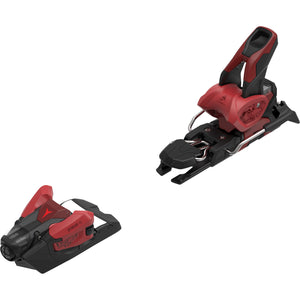
- LDN Toe: low center of gravity for direct snow feel
- Automatic Wing Adjustment: adapts to boot width and height
- 3 Part Heel Light: low profile, lightweight construction
- Low Profile Chassis: improves terrain feel and power transfer
The Atomic Strive 12 GW is built for skiers who want dependable performance without unnecessary bulk. Its LDN toe design keeps the boot close to the ski, translating into a more responsive, connected ride, while the automatic wing adjustment removes the guesswork of matching the binding to your boot sole.
This binding is best suited to intermediate to advanced skiers who split time between resort laps and light backcountry missions. The low profile chassis rewards an aggressive stance, and the lightweight heel piece helps keep swing weight manageable on longer approaches.
Pros:
- Consistent release values even with worn boots
- Lightweight heel design
- Excellent snow feel from low stand height
Cons:
- No dedicated touring or walk mode
- DIN 12 ceiling may be low for heavier or aggressive skiers
2. Look Pivot 2.0 15 GW
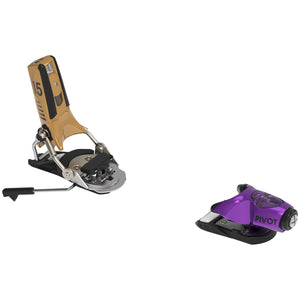
- Aluminum Race Toe Piece: 45mm elastic travel with 180° release
- Turntable Heel: rotates under the tibia, 28mm vertical elasticity
- Dual Standard Concept: compatible with Alpine and GripWalk soles
- Smaller Mounting Zone: reduced swing weight and better ski flex
The Look Pivot 2.0 15 GW is a favorite among aggressive and freeride-oriented skiers who demand maximum retention. Its all-metal race toe and industry-leading elasticity figures mean fewer unwanted pre-releases, while the turntable heel design has long been trusted in variable and firm snow conditions.
With seven points of boot contact, this binding delivers exceptional power transmission for hard-charging descents. It suits skiers prioritizing security and durability over ultralight weight, making it a strong pick for big mountain lines and mixed backcountry terrain.
Pros:
- Industry-leading elastic travel reduces pre-release
- Extremely durable all-metal construction
- Compatible with both alpine and GripWalk boots
Cons:
- Heavier than lightweight touring-focused bindings
- Overkill for casual or beginner skiers
3. Salomon Strive 12 GW
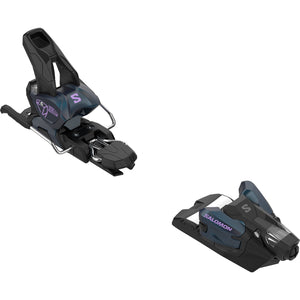
- LDN Toe: low, direct, neutral design for better response
- Automatic Wing Adjustment: adjusts to boot width and height
- 3 Part Heel Light: lightweight, low profile heel construction
- Low Profile Chassis: enhances feel and power transmission
Sharing its platform with the Atomic Strive, the Salomon Strive 12 GW offers the same dependable LDN toe geometry and automatic wing adjustment, making boot setup fast and consistent. It is a reliable choice for skiers who want predictable release behavior without fiddling with manual adjustments.
This binding fits well for all-mountain skiers moving into occasional backcountry laps. The low stand height keeps you centered over your skis, improving edge control in variable snow, while the lightweight heel construction helps on longer skin approaches.
Pros:
- Easy, automatic boot fit adjustment
- Low profile improves ski feel
- Reliable release consistency over time
Cons:
- No walk mode for extended touring
- DIN range may not suit expert skiers
4. Look Pivot 2.0 11 GW
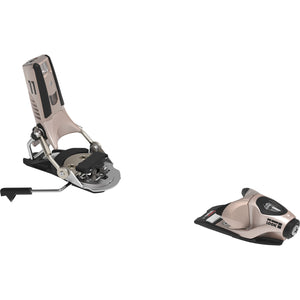
- Full Action Toe: 45mm elasticity with 180° multi-directional release
- Turntable Heel: 28mm vertical elasticity for shock absorption
- Dual Standard Concept: works with Alpine and GripWalk soles
- Smaller Mounting Zone: less swing weight, more natural ski flex
The Look Pivot 2.0 11 GW brings the same trusted turntable heel technology found in higher DIN Pivot models to a lighter-duty package. It is an excellent option for lighter or less aggressive skiers who still want the retention benefits of Look’s signature design.
Its full action toe piece offers strong coupling strength for confident power transfer, while the smaller mounting footprint preserves natural ski flex. This makes it a versatile choice for intermediate backcountry skiers exploring mixed terrain and variable snow conditions.
Pros:
- Proven turntable heel reduces pre-release
- Lighter DIN range suits smaller or newer skiers
- Strong boot-to-binding coupling
Cons:
- Lower DIN ceiling limits use for heavier skiers
- No integrated touring mechanism
5. Look Pivot 2.0 13 GW
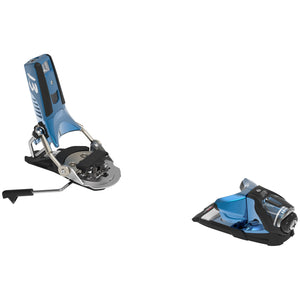
- Full Action Toe: 45mm elastic travel with 180° release
- Turntable Heel: 28mm vertical elasticity, industry leading
- Dual Standard Concept: fits Alpine and GripWalk sole standards
- Smaller Mounting Zone: reduces swing weight, boosts responsiveness
Sitting between the 11 and 15 GW models, the Look Pivot 2.0 13 GW strikes a balance for skiers who want serious retention without going to the highest DIN tier. It shares the same seven-point boot contact system that has made the Pivot line a backcountry staple.
This binding suits intermediate to advanced skiers tackling mixed conditions, from firm morning crust to deep powder. The turntable heel remains one of the most trusted designs for reducing pre-release on rough, unpredictable terrain, making it a confident all-around choice.
Pros:
- Excellent mid-range DIN versatility
- Reliable retention in variable snow
- Durable metal-reinforced toe housing
Cons:
- Heavier than dedicated touring bindings
- Premium price point
6. Marker Squire 11
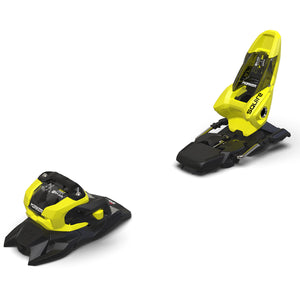
- Triple Pivot Light 2 Toe: GripWalk ready toe design
- Anti Ice Rail: clears ice and snow from boot sole
- Hollow Linkage 2 Heel: 30 percent less step-in force
- Stand Height: 24mm for a balanced, low profile stance
The Marker Squire 11 is a budget-friendly binding well suited to beginner and intermediate skiers venturing into light backcountry or side-country terrain. Its anti-ice rail is a particularly useful feature for skiers dealing with icy or snow-packed boot soles during frequent transitions.
Step-in ease is a highlight here, thanks to the Hollow Linkage 2 heel that reduces the force needed to click in. This makes the Squire 11 approachable for newer skiers still building confidence, while remaining reliable enough for casual touring days.
Pros:
- Affordable entry point into backcountry bindings
- Easy step-in with reduced force
- Effective ice management at the toe
Cons:
- Lower DIN range limits advanced use
- Less elasticity than premium options
7. Look SPX 11 GW
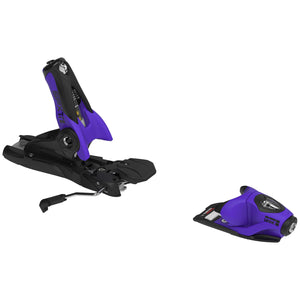
- Full Action Toe: 45mm elasticity with 180° release
- SPX Heel Piece: 27mm elastic travel for shock absorption
- Dual Standard Concept: compatible with Alpine and GripWalk soles
- Oversize Heel Pivot: increases coupling strength and power transfer
The Look SPX 11 GW offers a more compact, lightweight alternative to the Pivot series while retaining Look’s signature long elastic travel. It is a solid pick for skiers who want dependable retention in a smaller, lighter package for longer touring days.
Its oversize heel pivot enhances the connection between boot and binding, translating to efficient power delivery through turns. This binding works well for intermediate skiers who split time between groomed runs and moderate backcountry objectives without needing the highest DIN settings.
Pros:
- Lighter and more compact than Pivot models
- Strong elastic travel for its size
- Good all-around versatility
Cons:
- Lower DIN ceiling than Pivot series
- Less boot contact than 7-point designs
8. Salomon Strive 14 GW
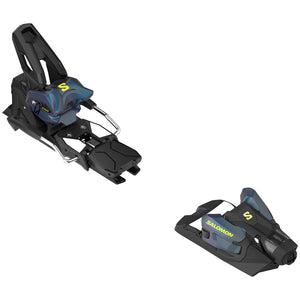
- LDN Toe: low center of gravity, wide base for response
- Automatic Toe Adaptation: constant release values on worn boots
- Extra Wide Toe Pedal: over 60mm for lateral power transmission
- Locking Brakes: clip-in system for easy ski carrying
The Salomon Strive 14 GW steps up the DIN range for stronger and more aggressive skiers, while keeping the lightweight, low center of gravity design that defines the Strive lineup. TÜV certification adds a layer of confidence for safety-conscious buyers.
The extra-wide toe pedal stands out here, delivering noticeably better lateral power transmission compared to standard toe designs. Combined with locking brakes for hassle-free carrying, this binding suits advanced skiers tackling steeper, more demanding backcountry lines.
Pros:
- Higher DIN range for stronger skiers
- Extra wide toe pedal improves power transfer
- TÜV certified for added safety assurance
Cons:
- Heavier than the Strive 12 GW
- No dedicated touring or walk mode
How to Choose the Best Backcountry Ski Bindings
Backcountry ski bindings sit at the intersection of safety, performance, and efficiency. Unlike resort-only bindings, they must balance reliable downhill release with the demands of skinning, boot compatibility, and sometimes long, unpredictable days in variable snow. Picking the right pair means understanding a handful of key factors, from DIN range to weight, boot compatibility, and terrain intentions. This guide walks through everything you should weigh before buying.
Understand Your Skiing Style First
Before comparing specs, be honest about how and where you actually ski. A binding built for aggressive, high-speed resort skiing with occasional sidecountry laps looks very different from one built for multi-hour skin tours in remote terrain. Bindings like the Look Pivot series are engineered for retention and power in variable, often firm or chattery snow, while lighter setups like the Look SPX or Marker Squire prioritize easier step-in and lower weight for those still building backcountry mileage.
Resort-to-Backcountry Crossover Skiers
If most of your days are spent inbounds with occasional backcountry excursions, prioritize a binding with a solid DIN range and dependable retention, such as the Salomon or Atomic Strive series. These bindings feel familiar underfoot and don’t require a steep learning curve.
Dedicated Backcountry and Touring Skiers
If skinning is central to your ski days, weight becomes a much bigger factor. Every extra hundred grams on your foot adds up over vertical gain, so look closely at heel and toe piece construction, and consider whether the binding’s chassis design reduces unnecessary bulk.
DIN Range and Release Values
DIN settings determine how much force is required before your boot releases from the binding, directly affecting both safety and performance. Skiers with more aggressive styles, higher body weight, or faster speeds typically need a binding with a higher DIN ceiling, while lighter or less aggressive skiers can comfortably use bindings with a lower maximum range.
| Skier Type | Recommended DIN Range | Example Binding |
|---|---|---|
| Beginner to Intermediate | 4 to 11 | Marker Squire 11 |
| Intermediate to Advanced | 10 to 13 | Look Pivot 2.0 13 GW |
| Advanced to Expert | 12 to 15 | Look Pivot 2.0 15 GW, Salomon Strive 14 GW |
It is worth noting that DIN is not simply about strength; it is a calculation based on weight, boot sole length, skier type, and ability level. Consulting a certified boot fitter or ski technician before your first mount ensures your bindings are set correctly for your body and skiing habits.
Boot Sole Compatibility
Modern backcountry bindings need to accommodate a range of boot sole standards, and mismatched compatibility can compromise both performance and safety.
Alpine (ISO 5355) Soles
Traditional flat-soled alpine boots remain common for resort-focused skiers and offer a very stable, predictable interface with most bindings.
GripWalk (ISO 23223) Soles
GripWalk soles feature a rockered profile designed for improved walkability off the ski, making them popular for backcountry and hybrid boots. Many of the bindings featured above, including the Look Pivot and SPX series, use a dual standard concept, meaning they accept both alpine and GripWalk soles without needing separate hardware.
Always confirm your specific boot’s sole type before purchasing bindings, and check whether the binding requires manual AFD adjustment or handles it automatically.
Toe and Heel Elasticity
Elastic travel refers to how much lateral and vertical movement a binding allows before triggering release. Higher elasticity generally means fewer unwanted pre-releases during hard landings, chattery snow, or off-balance moments, which is especially valuable in unpredictable backcountry conditions.
- Toe elasticity absorbs lateral twisting forces during turns and impacts
- Heel elasticity absorbs vertical forces from bumps, landings, and rough terrain
- Bindings with 40mm or more of combined elasticity tend to reduce pre-release significantly
- Look’s turntable heel design remains one of the most trusted for high elasticity
Weight Considerations
Weight matters more in the backcountry than at the resort, since every gram is carried uphill under your own power. That said, going too light can sometimes sacrifice retention and durability. It’s about finding the right balance for your priorities.
When Lighter Wins
For long tours, multi-day missions, or ski mountaineering objectives, a lighter binding reduces fatigue and improves overall efficiency on the skin track.
When Retention Wins
For steep, technical descents, variable snowpack, or aggressive skiing, a slightly heavier binding with more elasticity and a higher DIN ceiling can offer better protection and confidence on the way down.
Brake Width and Ski Compatibility
Binding brakes need to match your ski’s waist width for proper function. As a general rule, choose a brake width equal to or up to 15mm wider than your ski’s waist width. A brake that is too narrow can drag in the snow, while one that is too wide may not deploy properly.
Additional Features Worth Considering
- Anti-ice mechanisms that keep the toe piece functioning in wet or icy conditions
- Locking brakes for easier ski carrying during boot-pack sections
- Automatic wing or toe adjustment to reduce setup time and maintain consistent release values
- Low stand height for improved snow feel and reduced injury risk
Final Thoughts
There is no single best backcountry ski binding for everyone. The right choice depends on your ability level, typical terrain, boot compatibility, and how much of your day is spent skinning versus descending. Crossover skiers who want resort-like performance with occasional backcountry days will likely be happiest with bindings like the Salomon or Atomic Strive series, while dedicated backcountry skiers chasing maximum retention and elasticity should look closely at the Look Pivot lineup. Whatever you choose, having your bindings professionally mounted and DIN-tested is essential for both performance and safety.