Best Lightweight Ski Bindings of 2026
When it comes to skiing, the binding is the critical link between you and your skis. Lightweight ski bindings have become increasingly popular, offering reduced swing weight for quicker turns and less fatigue during long days on the mountain. These bindings are designed to provide exceptional performance without the extra bulk, ensuring you can enjoy a more responsive and agile ride. In this article, we will explore some of the best lightweight options available, breaking down their features, pros, and cons to help you find the perfect match for your skiing style and ability.
1. Atomic Strive 12 GW
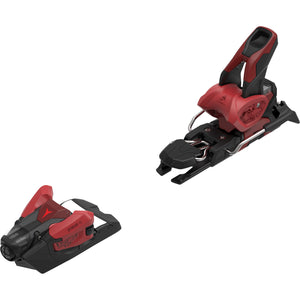
- LDN Toe: Low, Direct, Neutral design for better response.
- Automatic Wing Adjustment: Self-adjusts to boot width and height.
- 3 Part Heel Light: Low profile, lighter construction.
- Low Profile Chassis: Enhances power transmission and snow feel.
The Atomic Strive 12 GW is a fantastic choice for skiers looking for a lightweight, high-performance binding. Its LDN toe piece offers a low center of gravity, placing you closer to the ski for improved feel and response. The automatic wing adjustment ensures a perfect fit with any boot, maintaining consistent release values over time. The 3-part heel light reduces weight without sacrificing durability, making it an ideal partner for all-mountain adventures.
This binding excels in providing a direct and powerful connection to your skis. The low-profile chassis enhances power transmission, allowing for precise edge control. Whether you’re carving groomers or exploring off-piste, the Strive 12 GW offers reliable performance. The brake width compatibility ensures a clean fit with your skis, making it a versatile option for various ski waist widths.
- Pros: Lightweight, excellent snow feel, automatic toe adjustment, good power transmission.
- Cons: Not as much elastic travel as some competitors, limited to DIN 12.
2. Look Pivot 2.0 15 GW
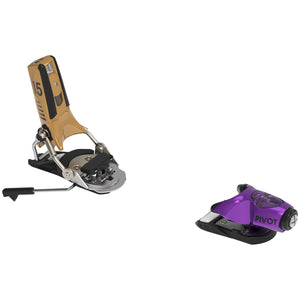
- Aluminum Race Toe: 45mm elastic travel, 180° release.
- Turntable Heel: 28mm vertical elasticity, rotates under tibia.
- Dual Standard: Compatible with ISO 5355 and GripWalk.
- Smaller Mounting Zone: Less swing weight, improved ski flex.
The Look Pivot 2.0 15 GW is a legend in the skiing world, renowned for its exceptional performance and safety features. The aluminum race toe piece offers massive 45mm of elastic travel, providing unmatched shock absorption and reducing the risk of pre-release. The unique turntable heel rotates directly under your tibia, minimizing injury risk and offering 28mm of vertical elasticity, the most of any binding on the market.
This binding is a top choice for aggressive skiers who demand precision and durability. The smaller mounting zone reduces swing weight, making the ski feel more nimble and responsive. With 7 points of contact, power transmission is incredible, allowing for precise edge control. The dual-standard compatibility ensures it works with both alpine and GripWalk boots, making it a versatile and high-performing option for any serious skier.
- Pros: Unmatched elastic travel, excellent retention, superior power transmission, reduced injury risk.
- Cons: Higher price point, slightly heavier than some lightweight options.
3. Salomon Strive 12 GW
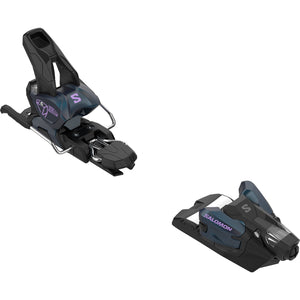
- LDN Toe: Low, Direct, Neutral for enhanced feel.
- Automatic Wing Adjustment: Adapts to boot width and height.
- 3 Part Heel Light: Low-profile, lighter construction.
- Low Profile Chassis: Better power transmission and snow feel.
The Salomon Strive 12 GW shares the innovative LDN toe design with its Atomic counterpart, offering a low center of gravity for a more direct ski feel. This binding is built for skiers who want a lightweight, responsive, and reliable option for all-mountain skiing. The automatic wing adjustment ensures a precise and consistent fit, accommodating various boot sizes and shapes with ease.
With a low-profile chassis, the Strive 12 GW enhances power transmission, making your skis feel like an extension of your body. The 3-part heel light construction saves weight without compromising strength. It’s a great binding for intermediate to advanced skiers who value a natural stance and quick edge engagement. The brake width recommendation ensures a proper fit with your skis, making it a versatile and dependable choice.
- Pros: Lightweight, great snow feel, automatic toe adjustment, solid power transmission.
- Cons: Limited DIN range (12), less elastic travel than higher-end models.
4. Look Pivot 2.0 11 GW
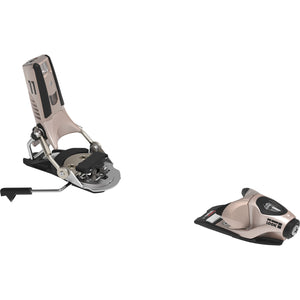
- 180° Multi-Directional Release: True mechanical upward release.
- Full Action Toe: 45mm lateral elasticity.
- Turntable Heel: 28mm vertical elasticity.
- 7 Points of Contact: Increased power transmission.
The Look Pivot 2.0 11 GW brings the legendary Pivot performance to a lighter, more accessible package. It features the same 180° multi-directional release and turntable heel design as its higher-DIN siblings, offering superior safety and shock absorption. The Full Action toe provides 45mm of lateral elasticity, ensuring reliable retention and reducing pre-release.
This binding is perfect for lighter or less aggressive skiers who still want the benefits of the Pivot platform. The smaller mounting zone and 7 points of contact deliver excellent power transmission and ski flex. With a DIN range of 4-11, it’s suitable for a wide range of skiers. The dual-standard compatibility makes it a versatile choice for any boot type. It’s a great entry point into the Pivot family without compromising on key features.
- Pros: Excellent safety features, great shock absorption, good power transmission, versatile DIN range.
- Cons: Heavier than some pure lightweight options, price is higher than entry-level bindings.
5. Look Pivot 2.0 13 GW
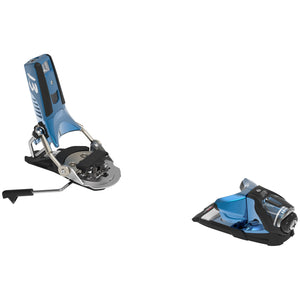
- 180° Multi-Directional Release: True mechanical upward release.
- Full Action Toe: 45mm lateral elasticity.
- Turntable Heel: 28mm vertical elasticity.
- Smaller Mounting Zone: Less swing weight, better flex.
The Look Pivot 2.0 13 GW is the sweet spot in the Pivot lineup, offering a perfect balance of performance and weight. It boasts the same industry-leading features as the 15 GW, including the Full Action toe with 45mm of elasticity and the turntable heel with 28mm of vertical travel. The DIN range of 6-13 makes it ideal for advanced and expert skiers.
This binding excels in delivering precise power transmission and a deep, consistent ski flex. The 7 points of contact ensure maximum energy transfer to your edges. It is built for skiers who demand the best in retention and shock absorption. The dual-standard compatibility and robust construction make it a durable and reliable choice for all conditions. It’s a top-tier binding for serious enthusiasts.
- Pros: Outstanding performance, excellent retention, great shock absorption, perfect for expert skiers.
- Cons: Premium price, not the lightest in its class.
6. Marker Squire 11
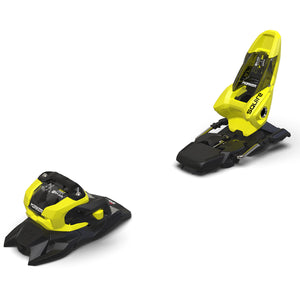
- Triple Pivot Light 2 Toe: GripWalk ready.
- Anti Ice Rail: For scraping ice and snow.
- Stainless Steel AFD: Precise release, dirt-resistant.
- Hollow Linkage 2 Heel: 30% less step-in force.
The Marker Squire 11 is a standout lightweight binding designed for skiers who value ease of use and performance. Its Triple Pivot Light 2 toe is GripWalk ready and features an Anti-Ice Rail for easy snow and ice removal. The stainless steel AFD ensures a precise release, even in dirty conditions, and the Hollow Linkage 2 heel reduces step-in force by 30%, making entry a breeze.
This binding is perfect for skiers who want a lightweight, user-friendly option without sacrificing performance. The low stand height (24mm) provides a good snow feel, and the durable construction ensures long-lasting reliability. With a DIN range of 3-11, it suits a wide variety of skiers, from intermediates to lighter advanced skiers. It’s a fantastic choice for all-mountain and freestyle use.
- Pros: Very lightweight, easy step-in, GripWalk compatible, good snow feel.
- Cons: Not as high-performing as top-tier race bindings, limited to DIN 11.
7. Look SPX 11 GW
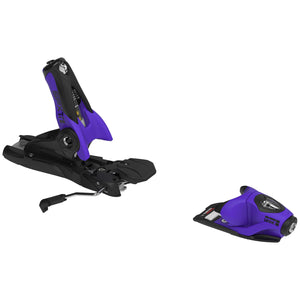
- Full Action Toe: 45mm lateral elasticity.
- 180° Multi-Directional Release: True mechanical upward release.
- SPX Heel: 27mm vertical elasticity.
- Dual Standard: Compatible with alpine and GripWalk.
The Look SPX 11 GW offers a fantastic blend of performance and value. It features the Full Action toe with 45mm of elasticity and 180° multi-directional release, providing excellent retention and safety. The SPX heel delivers 27mm of elastic travel, offering best-in-class shock absorption and reducing pre-release.
This binding is an excellent choice for skiers who want Look’s renowned performance without the premium price of the Pivot series. It provides a powerful and direct connection to your skis, with a focus on reliability and safety. The dual-standard compatibility makes it versatile, and the long elastic travel ensures you stay in when you need to. It’s a great all-around binding for intermediate to advanced skiers.
- Pros: Good value, excellent shock absorption, reliable retention, versatile compatibility.
- Cons: Heavier than some lightweight options, heel design not as unique as Pivot.
8. Salomon Strive 14
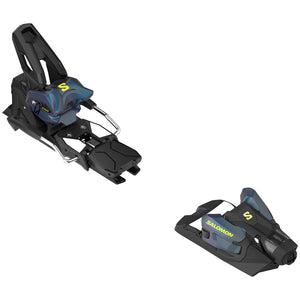
- LDN Toe: Low, Direct, Neutral design.
- Automatic Toe Adaptation: Self-adjusts to boot height.
- Extra Wide Toe Pedal: >60mm for lateral power transmission.
- Adjustment Range: 30mm.
The Salomon Strive 14 is a versatile and lightweight binding designed for skiers who want a low center of gravity and excellent power transmission. The LDN toe piece provides a direct and neutral stance, while the automatic toe adaptation ensures consistent release values. The extra-wide toe pedal (over 60mm) maximizes lateral power transfer from skier to ski.
This binding also features locking brakes with a clip-in system, making it easier to carry your skis. With a stand height of just 19.6mm, it offers an exceptional snow feel. The 30mm adjustment range provides ample flexibility for boot sole length changes. TÜV certified, the Strive 14 is a reliable and high-performing option for skiers looking for a lightweight, responsive binding.
- Pros: Very lightweight, low stand height, great power transmission, convenient locking brakes.
- Cons: Brake design may be tricky for some, limited to DIN 14.
How to Choose the Best Lightweight Ski Binding
Selecting the right ski binding is crucial for your safety, performance, and overall enjoyment on the slopes. With so many options available, especially in the lightweight category, it can be overwhelming. This guide will break down the key factors to consider when choosing a lightweight ski binding, ensuring you make an informed decision that matches your skiing style, ability, and goals.
Understanding Your Skiing Ability and DIN Setting
The most critical factor in choosing a binding is your DIN (Deutsches Institut für Normung) setting. This is a standardized scale that determines the release force of the binding. A higher DIN number means the binding is stiffer and requires more force to release, which is suitable for aggressive, expert skiers who put more stress on their bindings. A lower DIN is for beginners, lighter skiers, or those who ski more casually.
Manufacturers provide recommended DIN settings based on your skier type (e.g., Type I, II, III), weight, height, and boot sole length. It is essential to have your bindings professionally set by a certified ski technician. They will calculate the correct DIN setting to ensure your safety. When choosing a binding, ensure its DIN range covers your recommended setting. For example, if you are a lighter, less aggressive skier, a binding with a maximum DIN of 11 or 12 is sufficient. If you are a heavier, more aggressive skier, you might need a binding that goes up to 13, 14, or even 15.
Weight and Swing Weight
The primary advantage of lightweight ski bindings is reduced overall weight and swing weight. Swing weight is the rotational weight of the ski-binding-boot combination. A lighter binding at the ends of your skis reduces the effort needed to initiate and complete turns. This is especially beneficial for:
- Mogul Skiing: Quick, short turns are easier with less swing weight.
- Freestyle/Park Skiing: Spinning and rotating in the air becomes more effortless.
- All-Mountain Skiing: Less fatigue over a long day, especially in variable terrain.
- Backcountry Skiing: When using lightweight alpine touring (AT) bindings, every gram counts for uphill travel.
However, it’s important to note that the lightest bindings may not always be the most durable or powerful. Some lightweight bindings use more plastic to save weight, which can affect power transmission and longevity. The bindings reviewed here, such as the Atomic Strive 12 GW and Salomon Strive 14, achieve a great balance by using lightweight materials without compromising on key performance areas.
Toe Piece Design and Technology
The toe piece of a binding plays a significant role in retention, release, and power transmission. Here are some key technologies to look for:
- LDN (Low, Direct, Neutral): Found on Atomic and Salomon bindings, this design lowers the center of gravity, placing the boot closer to the ski. This results in better snow feel, quicker response, and a more natural stance.
- Automatic Wing Adjustment: This feature allows the toe piece to automatically adjust to the width and height of your boot. It ensures a snug, consistent fit, which is especially useful if you change boots or have boots with worn soles. It maintains constant release values over time.
- Multi-Directional Release: Look’s 180° multi-directional release is a standout feature. It allows your heel to release upward and to the side, independent of the heel, providing superior protection in a fall by reducing the stress on your knee and ankle joints.
- Elastic Travel: This refers to how much the toe piece can move laterally before releasing. More elastic travel means the binding can absorb shocks and vibrations from the snow, reducing the chance of a pre-release (accidental release) while still releasing safely when needed. Look bindings are famous for their 45mm of lateral elastic travel, which is industry-leading.
Heel Piece Design and Technology
The heel piece is just as important as the toe piece. It handles the vertical forces and provides the primary retention mechanism.
- Turntable Heel (Look): This unique design rotates directly under your tibia, mimicking the natural rotation of your leg. This is proven to reduce the risk of ACL and other knee injuries. It also offers 28mm of vertical elasticity, the most of any binding, which provides unmatched shock absorption and prevents pre-release.
- Hollow Linkage Heel (Marker): The Hollow Linkage 2 heel found on the Marker Squire 11 reduces step-in force by 30%, making it incredibly easy to get into. This is a great feature for skiers who struggle with entry, especially in deep snow or when wearing GripWalk boots.
- SPX Heel (Look): This heel piece provides 27mm of vertical elastic travel and is featured on the Look SPX 11 GW. It offers best-in-class shock absorption and reliable retention, making it a great value option.
- 3-Part Heel Light: Used on Atomic and Salomon bindings, this is a low-profile heel design that reduces weight without sacrificing strength.
Stand Height and Snow Feel
Stand height is the distance between the top of your ski and the bottom of your boot. A lower stand height (e.g., 19.6mm on the Salomon Strive 14) places your boot closer to the ski. This improves your snow feel, allowing you to better sense the terrain and the ski’s edge engagement. It also enhances power transmission, as there is less leverage for your body to overcome. Lower stand heights are generally preferred by performance-oriented skiers, while a slightly higher stand height (e.g., 24mm on the Marker Squire 11) can provide a more forgiving feel and is often favored in freestyle or mogul skiing where easy rotation is key.
Boot Sole Compatibility
Modern bindings are designed to work with different boot sole standards. The two most common are:
- ISO 5355 (Alpine): The traditional flat ski boot sole.
- GripWalk (GW): A newer standard with a rockered rubber sole for easier walking. GW soles are slightly taller and have a different profile than standard alpine soles.
Bindings that are GripWalk compatible (often denoted as “GW” in the product name, e.g., Look Pivot 2.0 15 GW, Salomon Strive 14) can accept both ISO 5355 and GripWalk boots. Most modern bindings are GW-compatible, but it’s always essential to check. Using a GripWalk boot in a non-GW binding or vice versa is dangerous and can lead to improper release. Ensure your binding matches your boot’s sole type.
Brake Width
The brake width of your binding must be appropriate for your ski’s waist width. The general rule is to choose a brake width that is equal to or at most 15mm wider than your ski’s waist. For example, if your ski has a 90mm waist, a brake width of 90mm, 95mm, or 100mm is ideal. The brake should be wide enough to clear the ski’s sidewall but not so wide that it sticks out excessively, which can catch on snow or your other ski.
All the bindings reviewed in this article recommend a brake width equal to or at most 15mm wider than the ski waist width. When ordering, you will often need to select the brake width that matches your ski’s dimensions. This is a crucial step to ensure proper fit and function.
Durability and Construction Materials
While lightweight is a priority, durability should not be overlooked. Bindings are subjected to significant forces, impacts, and cold temperatures. The choice of materials influences both weight and longevity:
- Aluminum: Used in high-performance toe and heel pieces (e.g., Look Pivot 2.0 15 GW, Aluminum Race Toe). It offers excellent strength, precision, and durability but adds some weight.
- Composite/Plastic: Used extensively in lightweight bindings (e.g., Atomic Strive 12 GW, Marker Squire 11). It saves weight and can absorb shock well. High-quality composites are incredibly durable and reliable.
- Stainless Steel: Often used in Anti-Friction Devices (AFD) and sliding plates (e.g., Marker Squire 11). It provides a smooth, consistent surface for release and is resistant to dirt, snow, and ice.
When choosing a lightweight binding, consider the balance between weight and the demands of your skiing. An expert skier who spends a lot of time in the backcountry or on firm snow might benefit from a binding with more metal for increased power and durability. An intermediate skier or a freestyle enthusiast might find that a well-constructed composite binding offers the perfect mix of lightness and strength.
Summary Table: Key Considerations
| Factor | What to Look For | Why It Matters |
|---|---|---|
| DIN Range | Your recommended DIN setting (e.g., 4-11, 6-13). | Ensures proper release for safety and prevents pre-release. |
| Weight | Lighter weight (under 900g per pair is good). | Reduces fatigue, improves swing weight for quicker turns. |
| Toe Technology | LDN, Automatic Wing, multi-directional release, elastic travel. | Affects snow feel, power transmission, retention, and safety. |
| Heel Technology | Turntable heel, hollow linkage, vertical elasticity. | Impact injury reduction, shock absorption, and ease of entry. |
| Stand Height | Lower height (e.g., 19-24mm). | Influences snow feel, edge control, and power transmission. |
| Boot Compatibility | GW-compatible for GripWalk and alpine soles. | Ensures the binding works safely with your specific boot soles. |
| Brake Width | Matches ski waist width (≤15mm wider). | Provides proper clearance and prevents unwanted snow or ski catching. |
Choosing the best lightweight ski binding is about balancing your skiing style, ability, and personal preferences. Whether you prioritize the unmatched safety and performance of the Look Pivot series, the lightweight and responsive feel of the Atomic or Salomon Strive lines, or the user-friendly design of the Marker Squire, there is a perfect binding out there for you. By understanding the key technologies and factors outlined in this guide, you can confidently select a binding that will enhance your skiing experience and keep you safe on the slopes.